
Last updated November 16, 2026
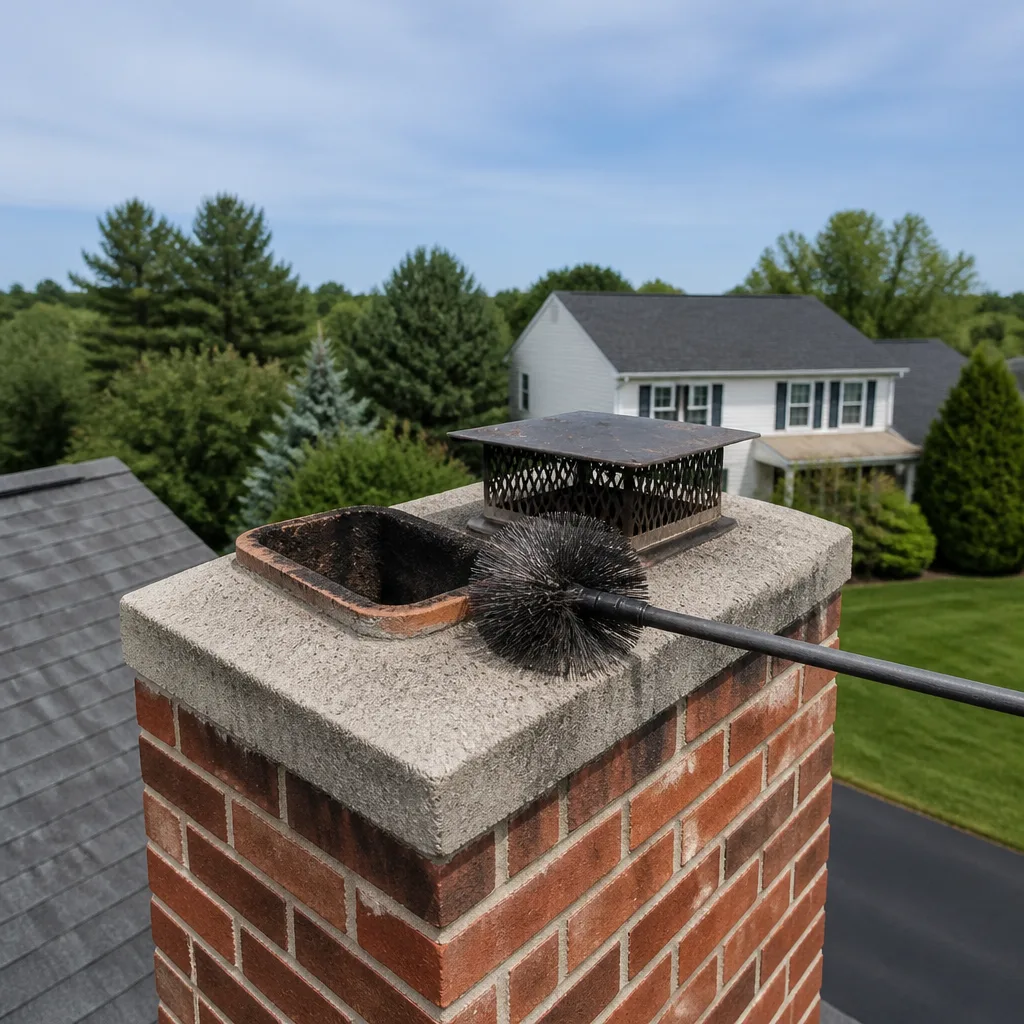 Sweep & inspection
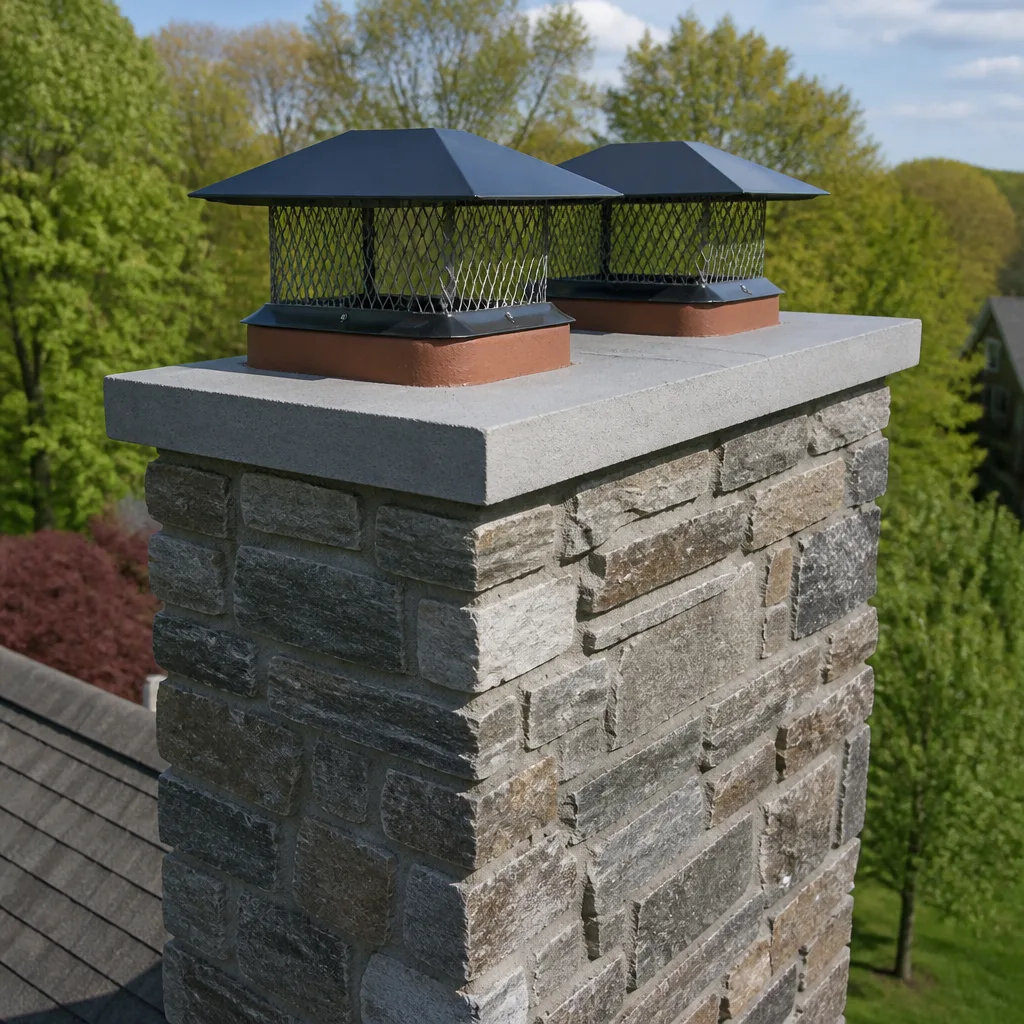 Caps & crowns
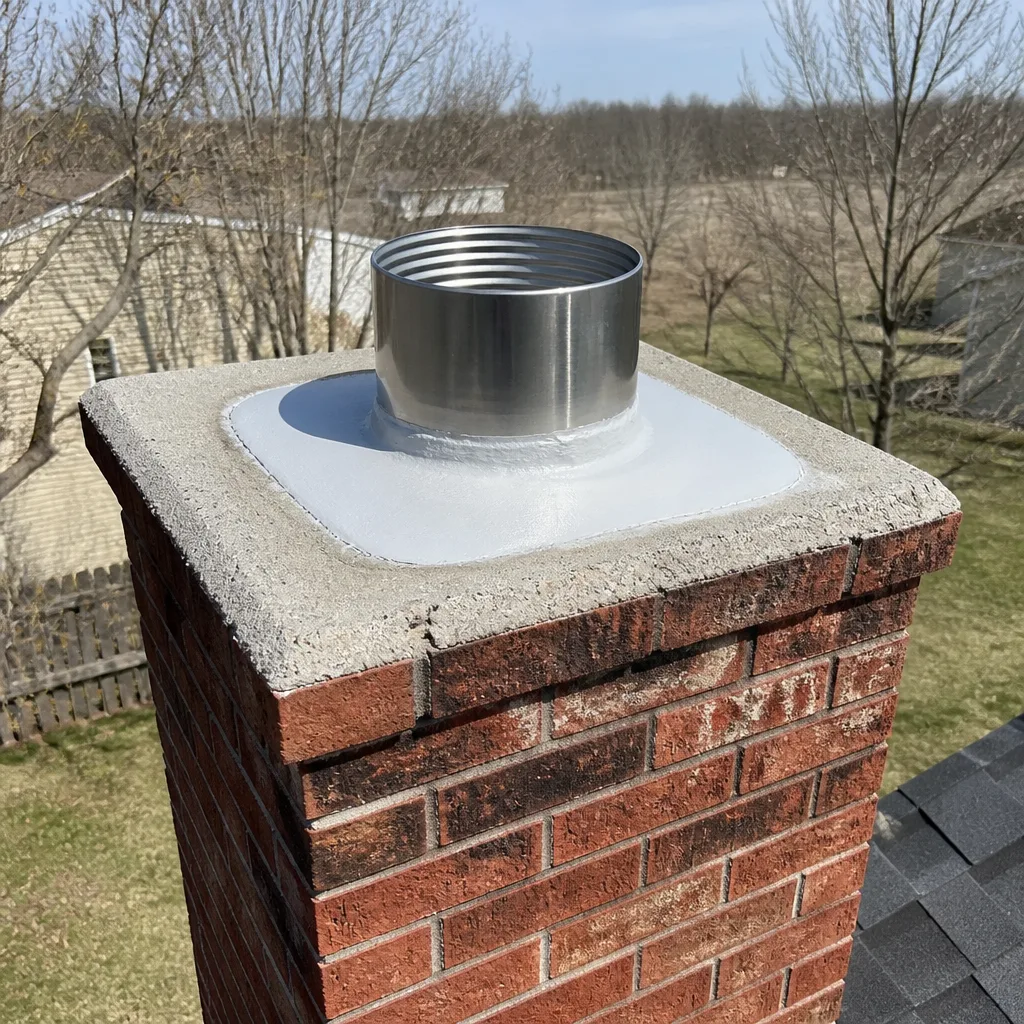 Flue relining
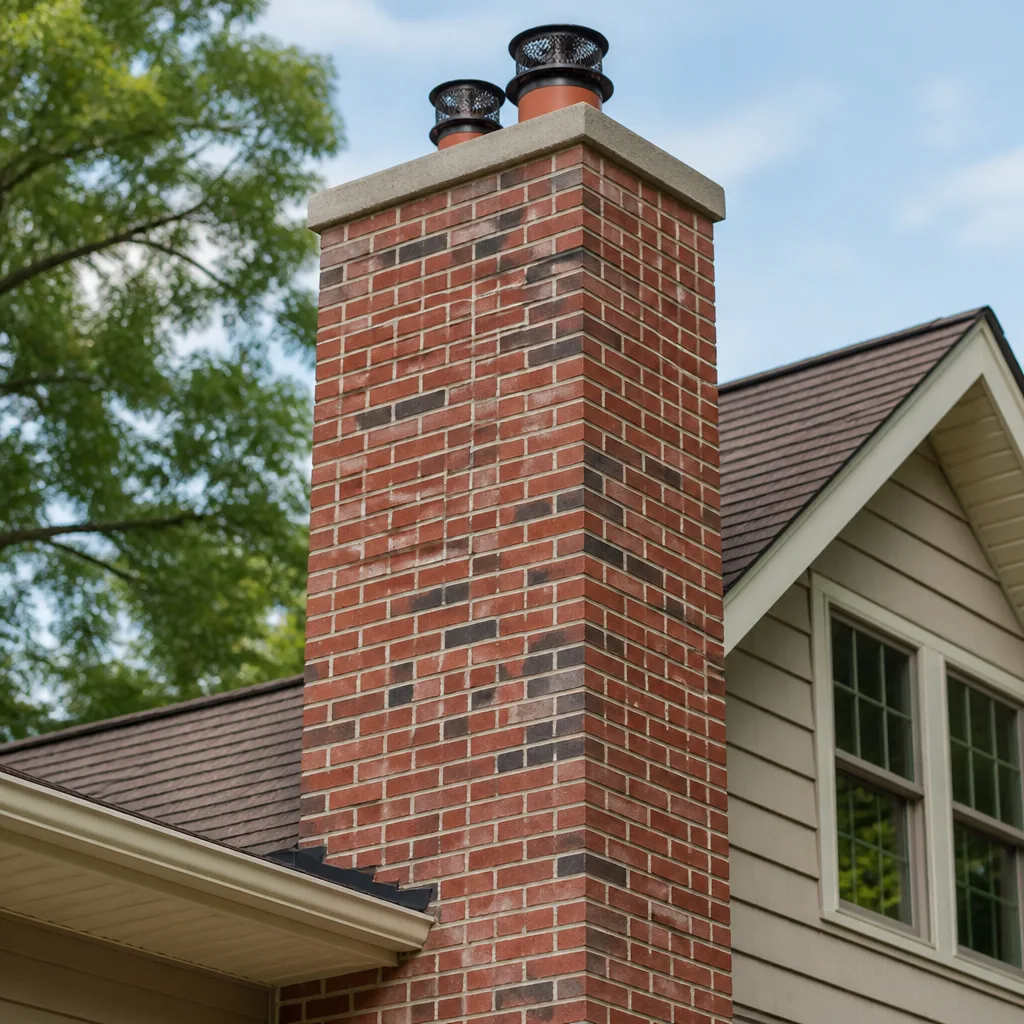 Masonry repair
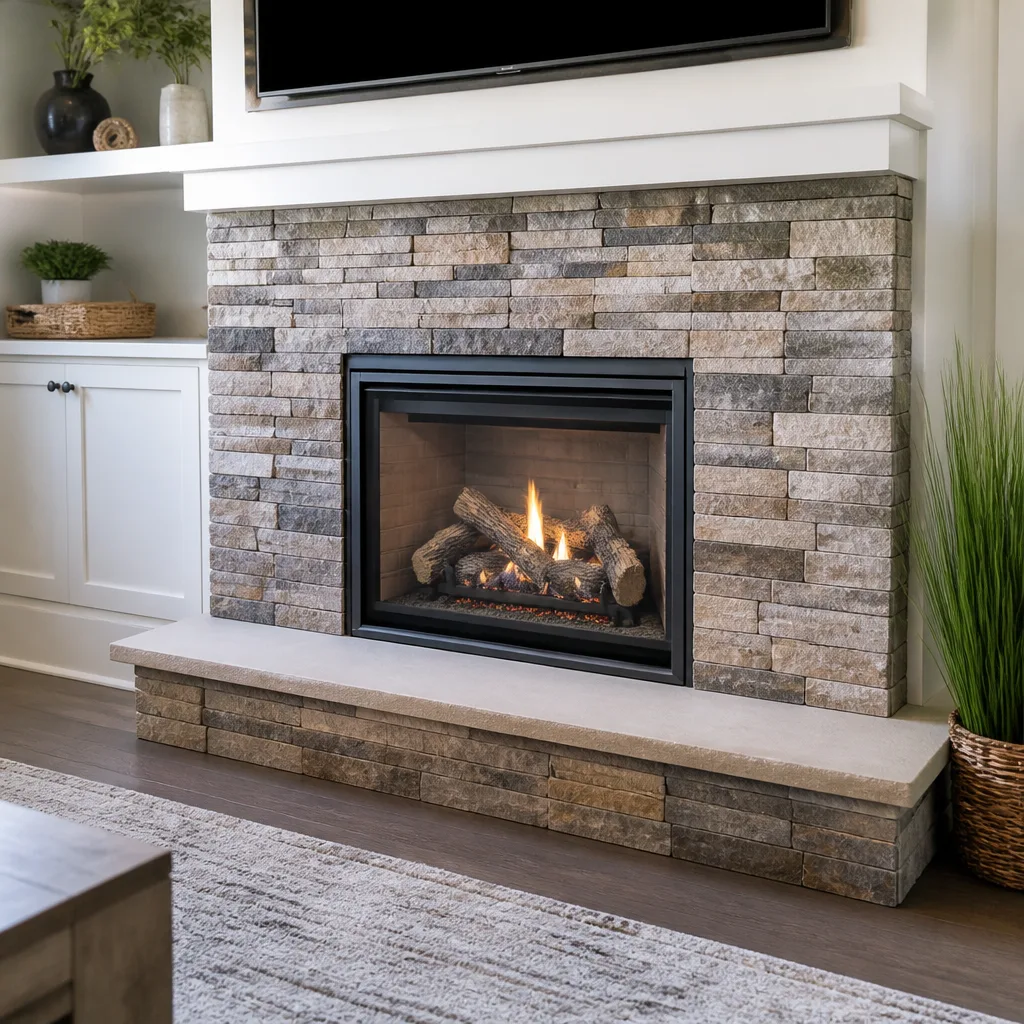 Gas fireplace service
Level 1 sweep and inspection to the NFPA 211 annual standard - flue, crown, cap, and flashing checked and photographed
Chimney sweep logs do not sweep chimneys. They loosen some creosote - which then falls where a brush and vacuum still have to collect it.
Chimney Cleaning Permits, Codes & Inspections in Edmond, OK: What You Need to Know
Here’s the surprise most Edmond homeowners get: the cleaning itself almost never needs a permit, but the repair that a cleaning uncovers often does. A routine sweep in Edmond requires no city paperwork. Replacing a cracked flue liner, rebuilding a firebox, or installing a gas insert usually does. The gap between those two facts is where problems start, because unpermitted chimney work can follow a house into an insurance claim or a closing. This guide draws a clear line between maintenance you can book freely and structural work that needs a code trail, and it explains how inspections fit into both. We’ll cover what Oklahoma’s residential code and Edmond’s ordinances actually govern, when a Level 2 inspection becomes required rather than recommended, and how permit records protect you later.
Quick Answer
In Edmond, OK, chimney cleaning and sweeping generally require no permit because they’re routine maintenance. Permits are typically required for structural or system-changing work: flue liner replacement, firebox rebuilding, and gas insert installation. A Level 2 inspection is required (or strongly advisable) at a real estate transaction, after a change to the heating system, or after a chimney fire or other event that may have damaged the system. When in doubt, confirm with the City of Edmond’s building department before work begins.
Styles & brands we work with
- Sweep & inspection
- Caps & crowns
- Flue relining
- Masonry repair
- Gas fireplace service
Table of Contents
- Cleaning vs. Repair vs. Installation: Where the Permit Line Falls
- What Oklahoma Code and Edmond Ordinances Actually Govern
- When a Level 2 Inspection Becomes Required
- How Permit Records Protect Edmond Homeowners
- The Repairs That Consistently Need Permits in Edmond
- How a Full-Service Chimney Company Handles Permits
- Level 1 vs. Level 2 vs. Level 3 Inspections, Explained
- Keeping Records: What to Save and Why
Cleaning vs. Repair vs. Installation: Where the Permit Line Falls
The simplest way to think about it: if work changes the chimney system, it probably needs a permit. If work only removes creosote from a system that stays exactly as it was, it probably doesn’t. Most homeowners never need to sort this out themselves, because a professional sweep will flag anything that crosses the line, but knowing the distinction keeps you from being surprised.
Here’s how the three categories break down in practice.
- Cleaning (sweeping): Removing soot, creosote, and debris from the flue and firebox. No structural change. Typically no permit.
- Repair: Work that alters or restores the system’s components or structure, such as relining the flue, resurfacing a deteriorating liner, rebuilding a firebox, or replacing a damaged cap. Often requires a permit depending on the scope.
- Installation: Adding or changing an appliance, such as a new gas insert or a wood stove, and the venting that goes with it. Usually requires a permit.
The tricky middle is a repair that a cleaning reveals. A camera inspection might show a gap in the flue liner, or heat damage behind the firebox. The cleaning itself is maintenance. The relining that follows is structural. That’s the exact point where the permit question becomes real for an Edmond homeowner, and it usually arrives at the same visit. A whole-system approach matters here: a sweep who only cleans and refers you out for the repair leaves you to sort out the permit trail on your own. When we find something at the inspection stage, we carry the repair through with professional-grade materials from brands like HeatShield for resurfacing and DuraFlex for flexible liner systems, so the answer on permit scope comes from the same people who already have the camera footage.
What Oklahoma Code and Edmond Ordinances Actually Govern
Chimney work in Edmond sits under two layers of authority. The first is the state residential code, which adopts standards for how solid-fuel and gas appliances vent. The second is Edmond’s own building department, which interprets and enforces that code through permits and inspections. The standards most chimney professionals reference are the National Fire Protection Association’s, particularly NFPA 211, which lays out how chimneys, fireplaces, and vents should be constructed, maintained, and inspected.
What does that mean for you in plain terms?
- Construction and repair standards govern how a liner must be sized and sealed, how clearances from combustibles must be maintained, and how fireboxes must be built. These are the rules a permit inspection looks at.
- Appliance venting rules cover the venting of gas inserts and other appliances, including how the new appliance connects to the existing system.
- Local permitting is how Edmond tracks whether the work met those standards. The city issues the permit and signs off after inspection.
We don’t quote code numbers or specific section references in this guide, because those change and because the authority that matters is your local building department, not a website. The practical rule we give homeowners: for any work beyond cleaning, ask the City of Edmond’s building department directly whether a permit is required for your scope. It’s a short phone call and it settles the question. If a contractor tells you a permit “isn’t needed” for a liner replacement without checking, that’s a sign to slow down.
When a Level 2 Inspection Becomes Required
A Level 2 inspection isn’t the same as a quick visual check at your annual sweep. It’s a more thorough evaluation that includes access to areas not visible during a routine cleaning, often with a camera, so the technician can see the full interior of the flue and the hidden parts of the system. NFPA 211 identifies specific circumstances where a Level 2 inspection is the appropriate standard rather than a routine Level 1.
Here are the situations that call for one.
- A real estate transaction. When a home in Edmond is being sold, a Level 2 inspection gives the buyer and seller a documented picture of the chimney’s condition. Lenders and insurers often want it.
- A change to the heating system. Adding an insert, swapping a wood appliance for gas, or replacing an appliance changes the venting requirements. A Level 2 confirms the existing chimney can handle it.
- After a chimney fire or other event. A fire, even a small one, can damage the liner in ways that aren’t visible from the firebox. So can a seismic event or a sudden lightning strike.
- After any known or suspected damage. If the chimney has been struck, shifted, or shows a crack, a Level 2 gets eyes on the whole system rather than just the accessible flue.
In our experience, the real estate trigger is the one Edmond homeowners run into most. A closing moves fast, and if the inspection turns up a liner issue, there’s a decision to make: repair it before the sale, or disclose it. Either way, the inspection documentation is what makes the decision honest. Our chimney sweep visits include the inspection step so you’re not scheduling two appointments, and the findings are documented in a way you can share with an insurer or a buyer’s agent.
How Permit Records Protect Edmond Homeowners
A permit isn’t just a piece of paper the city collects. It’s a record that the work was done to a standard and inspected by an authority. That record protects you in three places, and each one has bitten an Edmond homeowner who skipped it.
- Insurance. If a fire originates in or around a chimney that was repaired or relined without a permit, an insurer can question the claim. The problem isn’t always whether the work was done well; it’s that there’s no independent evidence the work met code. A permit provides that evidence.
- Resale. When you sell your home in Edmond, a buyer’s inspector and their lender may ask for documentation of significant chimney work. Unpermitted structural work can stall a closing or force a discount, because the buyer now owns a question mark.
- Safety and liability. Unpermitted work isn’t inspected by anyone. That means a hidden defect in a liner or a firebox clearance can sit there until something goes wrong. The code trail exists because the failure modes for chimney work are fire and carbon monoxide.
This is the part that catches people off guard: the work that most often needs a permit, a liner replacement or firebox rebuild, is also the work that most often comes directly out of a cleaning. A sweep finds the damaged liner. The homeowner, relieved to have found it, hires the same person to fix it. If nobody raises the permit question, the repair happens without a record. A year or two later, during a sale or a claim, the missing record becomes the problem. A professional-grade company raises the permit question at the moment the repair is recommended, not after.
The Repairs That Consistently Need Permits in Edmond
Three repair types come up again and again in Edmond, and each of them typically crosses into permit territory. We want to be careful here: permitting rules can vary by scope and by how your local building department reads the work, so the final word always comes from the City of Edmond. But in practice, these three are the ones homeowners should expect to trigger a permit.
Flue Liner Replacement
Replacing a damaged or aging flue liner is structural work. The liner is the component that keeps heat and combustion gases away from the surrounding structure, so its installation has to follow sizing, sealing, and clearance rules. This is why a reline usually needs a permit and an inspection. When we reline a flue, we use a flexible liner system like DuraFlex, which is built for the job rather than improvised, and we handle the permit pathway as part of the project rather than leaving it to you.
Firebox Rebuild
The firebox takes the most direct heat in the entire system, and when its masonry or refractory material breaks down, a rebuild restores the structure. That’s a structural repair, and it’s typically permitted. Resurfacing a deteriorating liner with a product like HeatShield can sometimes address wear without full demolition, but even resurfacing should be evaluated for permit scope, because it’s a permanent repair to the liner rather than a cleaning.
Gas Insert Installation
Installing a gas insert changes how the appliance vents, and that change has to be checked against the existing chimney’s capacity and condition. Installation work is generally permitted, and the venting components matter: we use professional-grade venting products, including Copperfield and Famco, rather than hardware-store substitutes, because the permit inspection is looking at exactly that.
Notice the pattern. Cleaning removes. Repair and installation change. The change is what the permit tracks.
How a Full-Service Chimney Company Handles Permits
There’s a real difference between a cleaning-only service and a full-service chimney company when the permit question comes up, and it has nothing to do with who’s friendlier. A cleaning-only service does the sweep, writes up the findings, and hands you a recommendation. What happens next, including whether the repair needs a permit, becomes your problem to research and coordinate.
A full-service company works differently, because all three stages happen under one roof:
- Sweep. The cleaning removes creosote and debris, and it’s the moment the system gets looked at closely.
- Inspect. The inspection follows NFPA 211 categories, including a Level 2 when the circumstances call for it, with camera access to the parts you can’t see from the firebox.
- Repair. When the inspection finds something structural, the repair is scoped, the permit question is raised and handled, and the work is done with professional-grade materials.
That single relationship matters most at the repair stage. If the sweep recommendations call for a liner replacement, you don’t have to find a second contractor, re-explain the findings, and hope they agree with the first person’s assessment. The documentation and the repair stay together. Our full-scope approach covers the clean, the inspection, and the fix under one chimney repair relationship, which is also the cleanest way to keep the code trail intact. And it’s not just about permits: it’s about the difference between a company that knows how its materials perform in real chimneys and one that’s guessing.
Level 1 vs. Level 2 vs. Level 3 Inspections, Explained
The three inspection levels serve different purposes, and knowing which one you need keeps you from paying for more than the situation calls for, or less. NFPA 211 lays out the categories, and a good chimney company will tell you which level fits your circumstances before any work begins.
- Level 1: A routine inspection of the readily accessible parts of the system, done during a normal sweep visit. It’s appropriate when the appliance and system haven’t changed and you’re keeping up with regular maintenance. This is what most annual cleanings include.
- Level 2: A more thorough inspection that includes access to hidden areas, often with a camera, and is appropriate at a real estate transaction, after a system change, or after a fire or other event. It also covers the accessible parts of the attic, crawlspace, and other connected areas where the chimney passes through.
- Level 3: The most involved level, used when a Level 2 finds a reason to look at concealed parts of the system, and it can involve opening up construction. It’s rare, and it’s typically driven by a specific concern.
For most Edmond homes, the annual sweep comes with a Level 1, and the Level 2 shows up at the points listed earlier: a sale, a system change, a fire. If you’re not sure which one you need, ask before the appointment. A company that understands the difference will tell you, and a company that doesn’t will just schedule a cleaning. Whether your home is near the older neighborhoods close to downtown Edmond or out in the newer developments on the edges of town, the inspection level is driven by your circumstances, not by your address.
Keeping Records: What to Save and Why
The homeowners who have the least trouble at resale and insurance time are the ones who kept records. It sounds dull, and it is, but it’s the difference between a five-minute question and a five-week delay when a buyer’s inspector asks about your chimney.
Here’s what’s worth keeping:
- Inspection reports. The findings from each inspection, especially any Level 2. These document the system’s condition on a date.
- Permit records. If a repair needed a permit, keep the permit and the final inspection sign-off. This is the record that proves the work was inspected.
- Repair documentation. What was replaced, with what materials, and by whom. If a liner was relined with a DuraFlex system, for instance, the paperwork should show it.
- Sweep history. A simple record of annual cleanings shows the system has been maintained, which matters if a question ever comes up about care.
Around Edmond, the seasonal rhythm makes this easier than it sounds. The burning season runs through the cooler months, and the sweep is best booked before you light the first fire, so the inspection and any repair happen before the system is in use. When the work is done ahead of the season, the records are all in one place, and you’re not hunting for a report in January. If the inspection finds something that can safely wait, we’ll tell you that too, and note it so the next inspection can check on it without alarm.
Common Mistakes to Avoid
- Assuming the cleaning covers the repair. Cleaning is maintenance and usually needs no permit; the relining that follows often does. Treat them as two separate questions and confirm the permit status of any structural work before it starts.
- Letting a liner replacement happen without a code trail. A damaged liner is exactly the situation a permit exists for. Skipping the permit can leave you without documentation if a claim or a sale later depends on it.
- Skipping the Level 2 at a sale. In Edmond real estate transactions, the Level 2 is often the document a buyer or lender asks for. Getting it done early prevents a closing-week scramble.
- Trusting “it doesn’t need a permit” without checking. The final word comes from the City of Edmond’s building department. A quick call settles it, and a contractor who won’t make that call is telling you something.
- Hiring a cleaning-only service for a structural fix. It leaves you to coordinate the permit and the second contractor yourself. One relationship for sweep, inspect, and repair keeps the documentation together.
- Ignoring the firebox during a sweep. The firebox takes the most heat, and its condition is exactly what a cleaning inspection should check. A sweep that never looks at it isn’t really inspecting.
- Treating the inspection as an upsell. It isn’t. It’s the step that tells you whether the system is safe to use and whether any repair needs a permit, and its findings are documented for your records.
See the difference
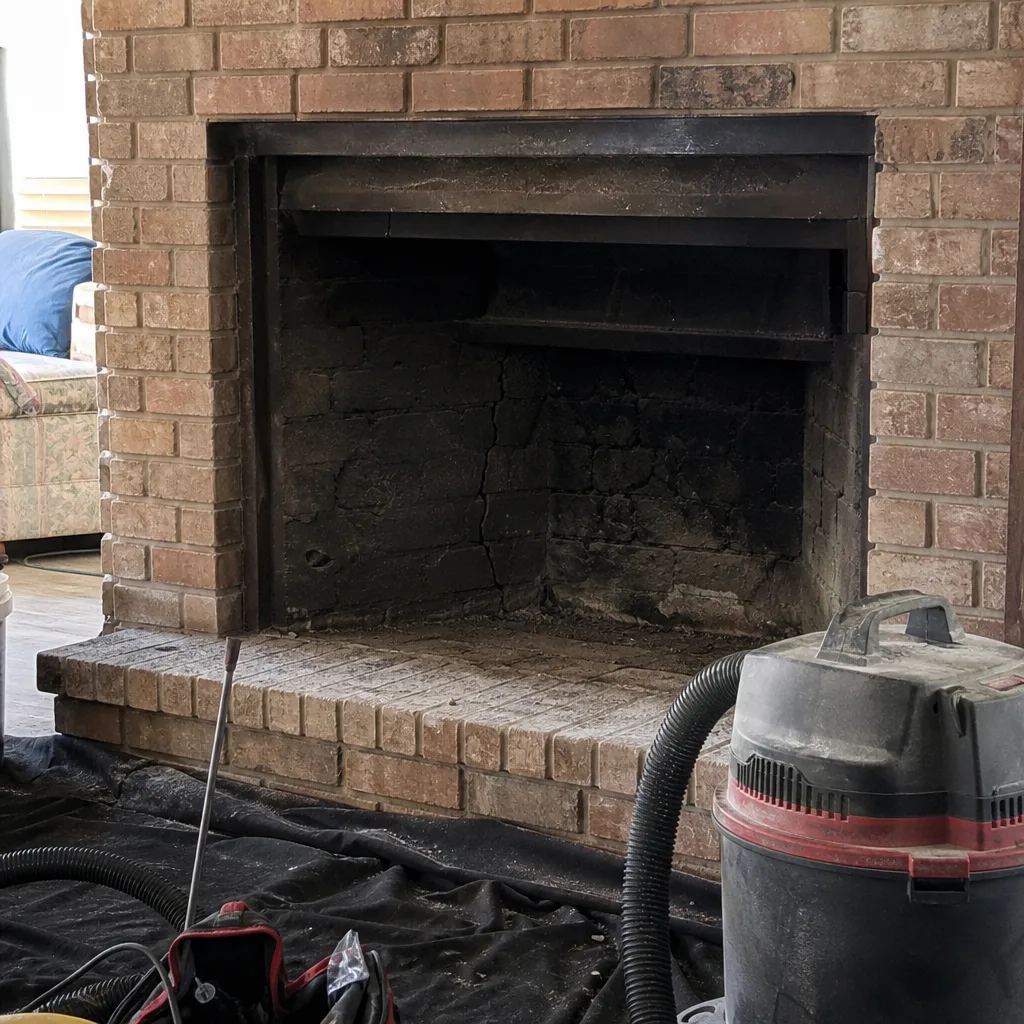 Before
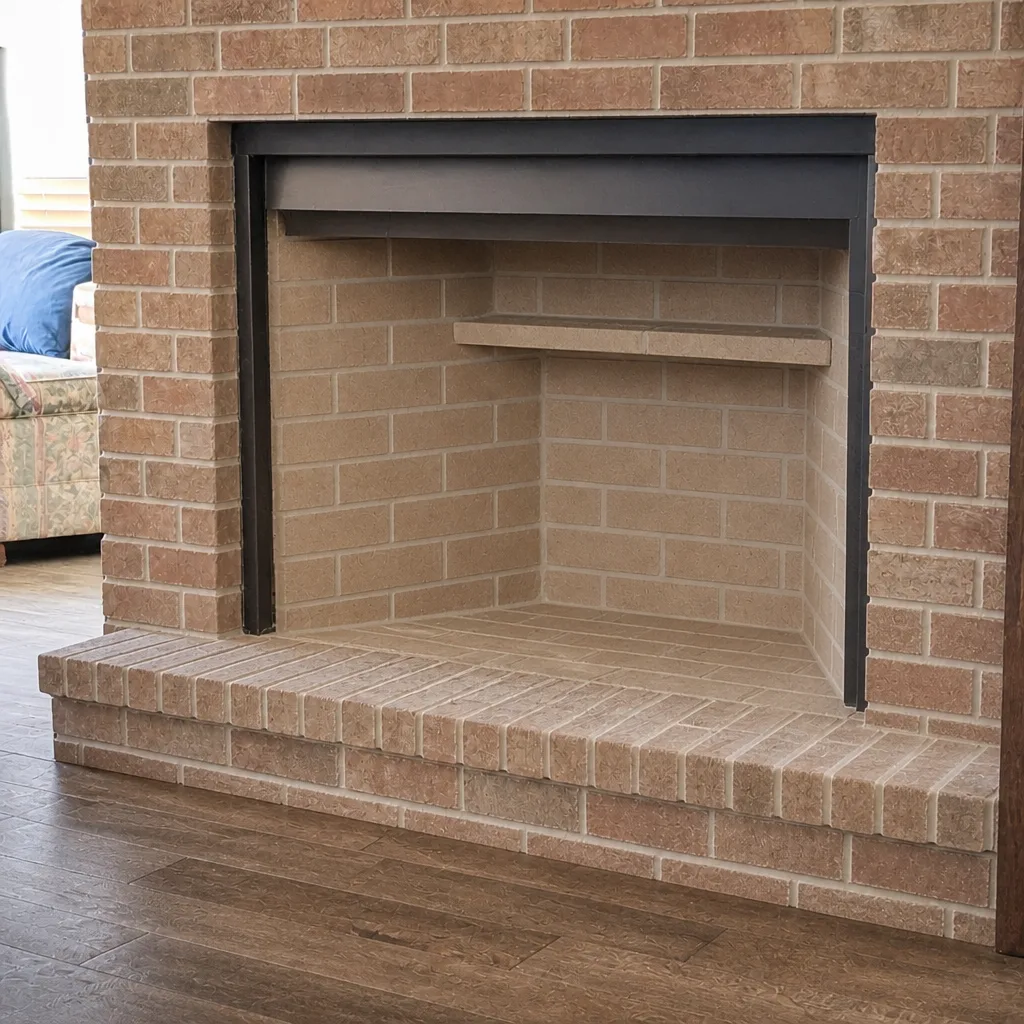 After
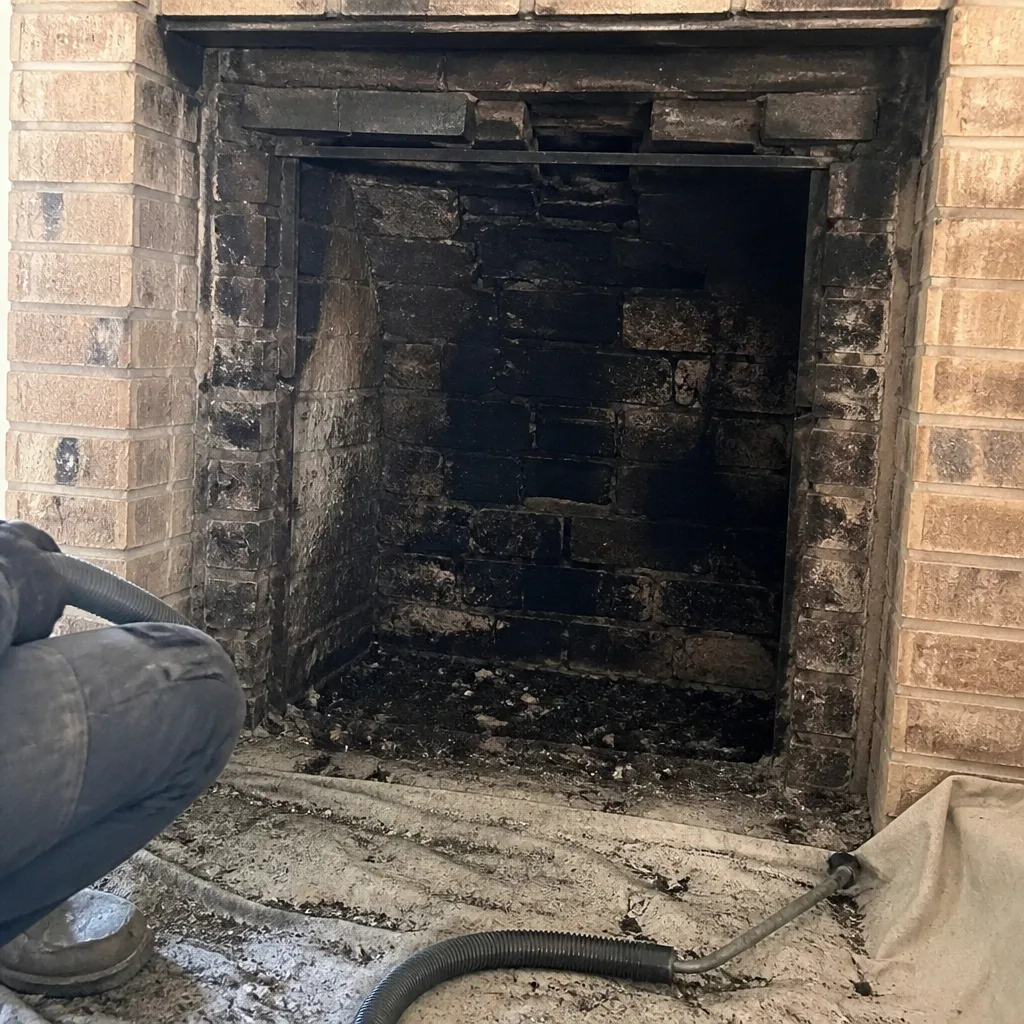 Before
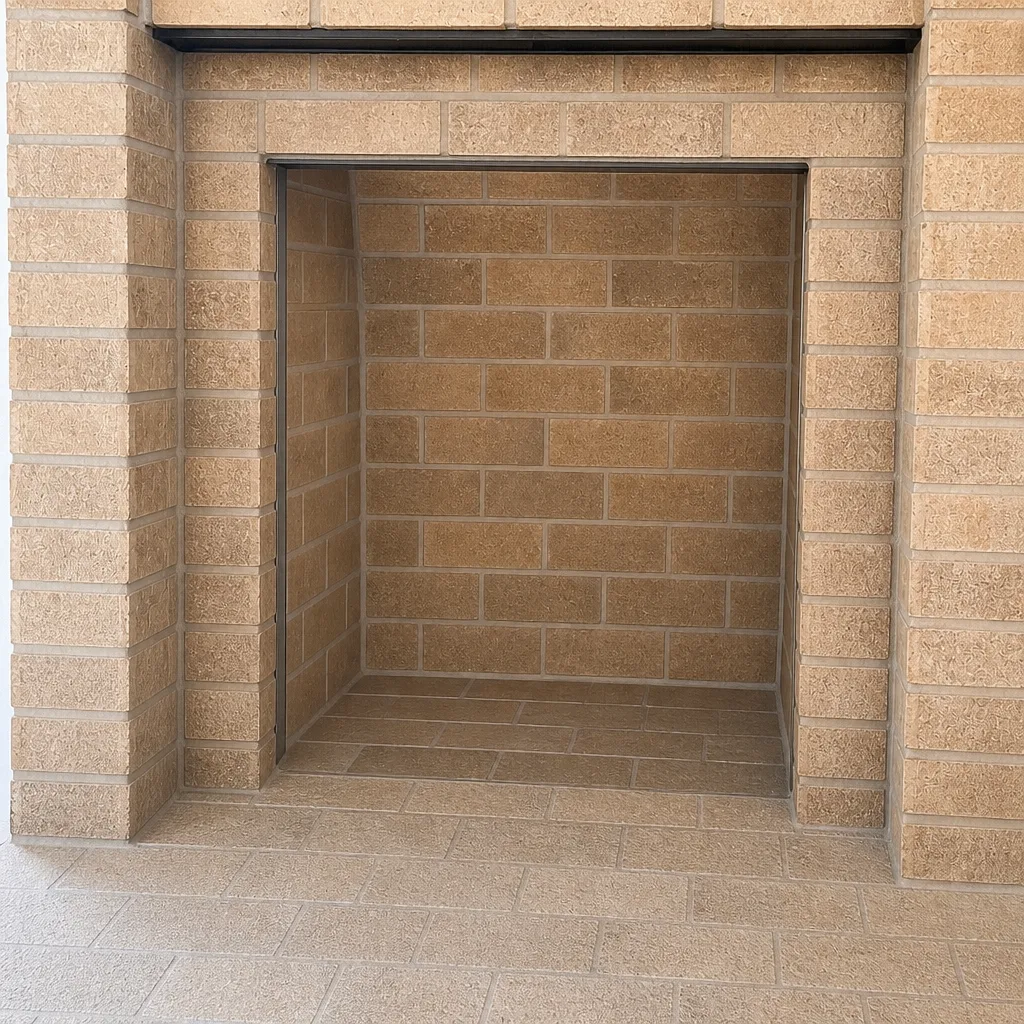 After
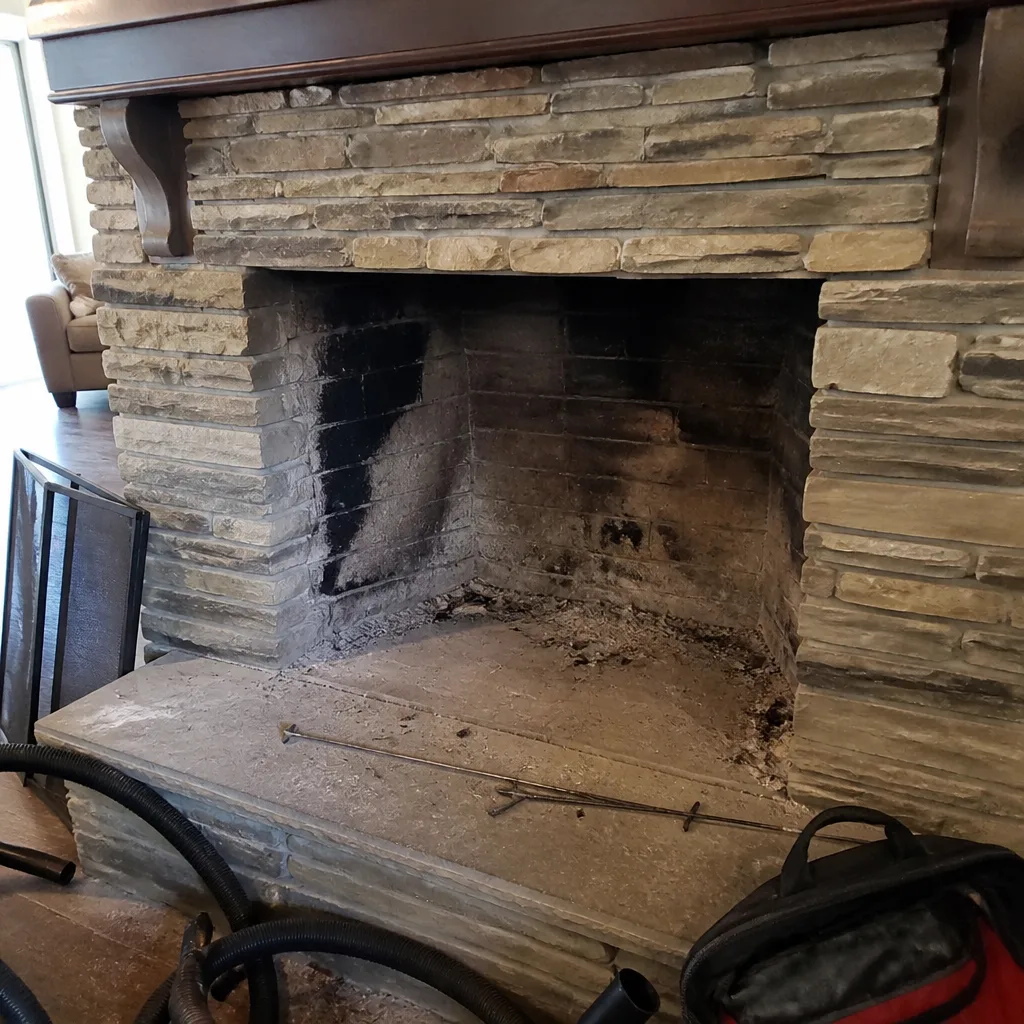 Before
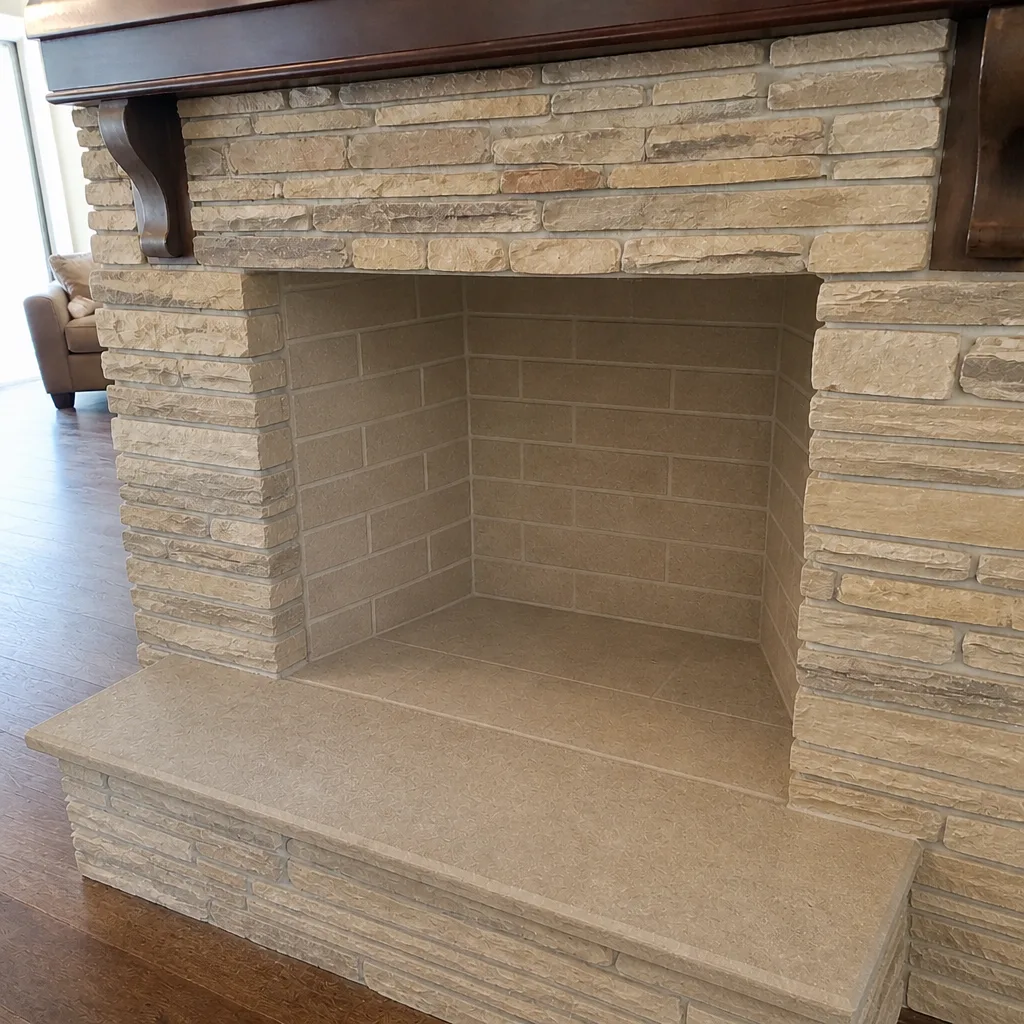 After
When to Call a Professional
Call a professional when the question is structural rather than routine. If you’re buying or selling a home in Edmond and need a Level 2 inspection, if a cleaning has turned up a damaged liner or a worn firebox, if you’re adding a gas insert and need the venting evaluated for a permit, or if you simply aren’t sure whether the work ahead requires a code trail, that’s the moment to bring in a specialist who handles the whole system. Cleaning is maintenance and it can wait for its seasonal slot. Structure and safety shouldn’t wait for anything. Edmond Chimney Sweep offers free estimates in Edmond – call (844) 834-5906. Our technicians have up to 14 years of experience, and we work with professional-grade materials from brands like HeatShield and DuraFlex so the repair matches the diagnosis. We answer 24/7, with fast dispatch from 7am to 7pm, Sunday through Friday.
Frequently Asked Questions
No. Routine chimney cleaning and sweeping in Edmond generally don’t require a permit because they remove creosote without changing the system. The permit question comes in when the inspection finds a structural issue like a damaged liner or a firebox that needs rebuilding, and that repair typically does need a permit. Call (844) 834-5906 for an exact quote on a sweep or inspection – estimates are free.
You need a new liner when the inspection shows the existing one is damaged, cracked, or no longer properly sized for the appliance, and a liner replacement usually needs a permit because it’s structural work. Nothing should be recommended without camera evidence you can see for yourself, and if the condition doesn’t call for a reline yet, we’ll say so. We use DuraFlex flexible liner systems for relines, and we handle the permit pathway as part of the project. Call (844) 834-5906 to book a free estimate.
A Level 2 inspection is the appropriate standard at a real estate transaction, after a change to the heating system such as adding an insert, and after a chimney fire or other event that may have damaged the system. In Edmond, the real estate trigger is the one homeowners run into most often, because buyers and lenders often ask for the documentation. If you’re unsure which level fits, ask before the appointment. Call (844) 834-5906 to schedule.
Unpermitted chimney work can become an issue at resale because there’s no independent record that the work was inspected to code, and a buyer’s inspector or lender may ask for documentation of significant repairs. It can also complicate an insurance claim if a fire later involves that work. Edmond Chimney Sweep helps homeowners keep the code trail intact by raising the permit question at the point a repair is recommended. Call (844) 834-5906 for a free estimate.
A chimney should be swept once a year for most homes that burn wood regularly, and more often if you burn heavily or notice creosote buildup. In Edmond, the practical time to book is before the burning season starts, so any repair the inspection uncovers can be handled before you light the first fire. A clean chimney is the starting point; a safe chimney is the goal. Call (844) 834-5906 to schedule – estimates are free.
If you skip the inspection, a damaged liner or a worn firebox can go unnoticed until it becomes a safety issue, because those failures aren’t visible from the firebox. The inspection is also what documents whether a repair is needed and whether it needs a permit, so skipping it removes both the safety check and the record. Call (844) 834-5906 for a free estimate on a sweep and inspection.
The Bottom Line
Cleaning is maintenance and usually needs no permit in Edmond. Repair and installation change the system, and those are the work that typically needs a code trail: liner replacement, firebox rebuild, gas insert installation. A Level 2 inspection is the document that ties it together, required at a sale, after a system change, and after a fire. Homeowners who keep their permit records and inspection reports have the easiest time at resale and at claim time, and the ones who skip the permit end up owning a question mark. Book the sweep before the season, let the inspection answer the safety question, and let a full-service company carry the repair through with professional-grade materials. A clean chimney is the starting point. A safe chimney is the goal.
If you’re in Edmond and want the permit question answered by someone who handles the whole system, Edmond Chimney Sweep is ready to help. Call (844) 834-5906 for a free estimate.
Written by the team at Edmond Chimney Sweep.