
Last updated November 16, 2026
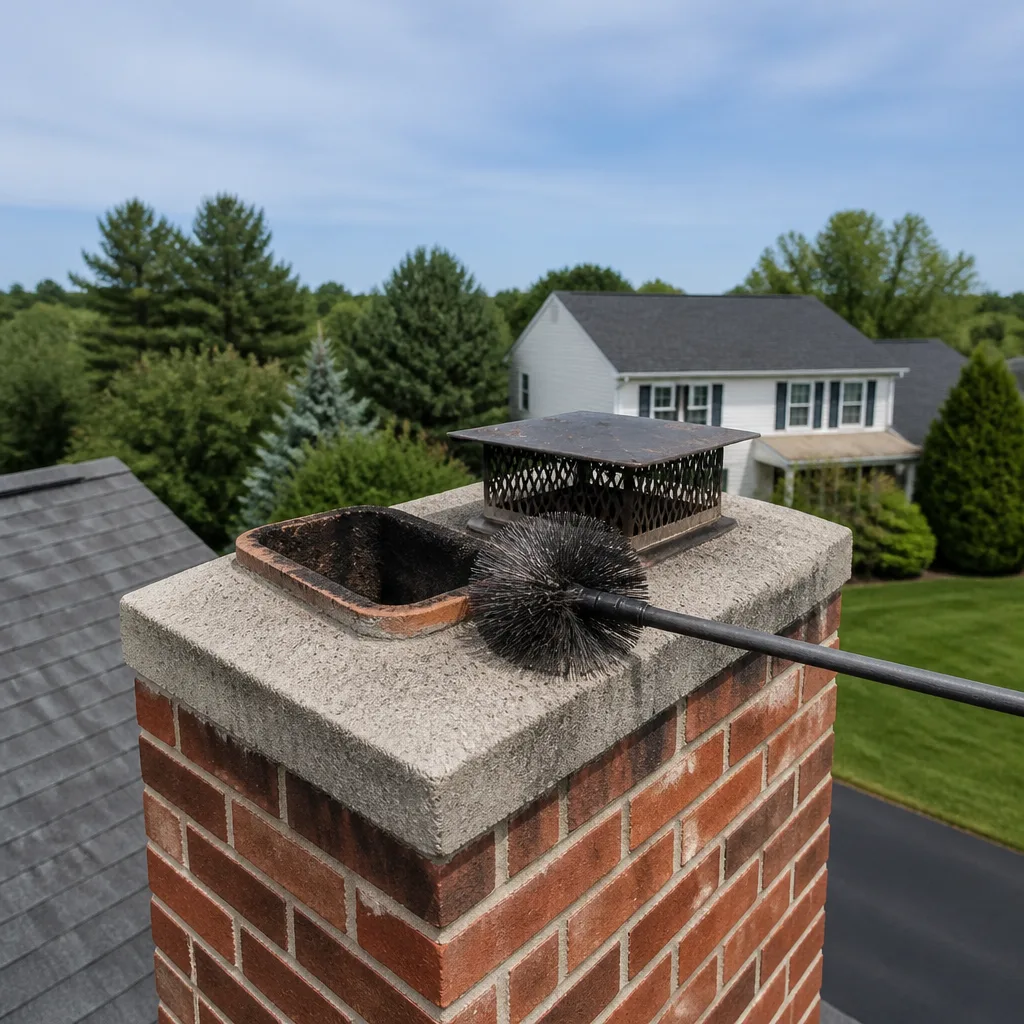 Sweep & inspection
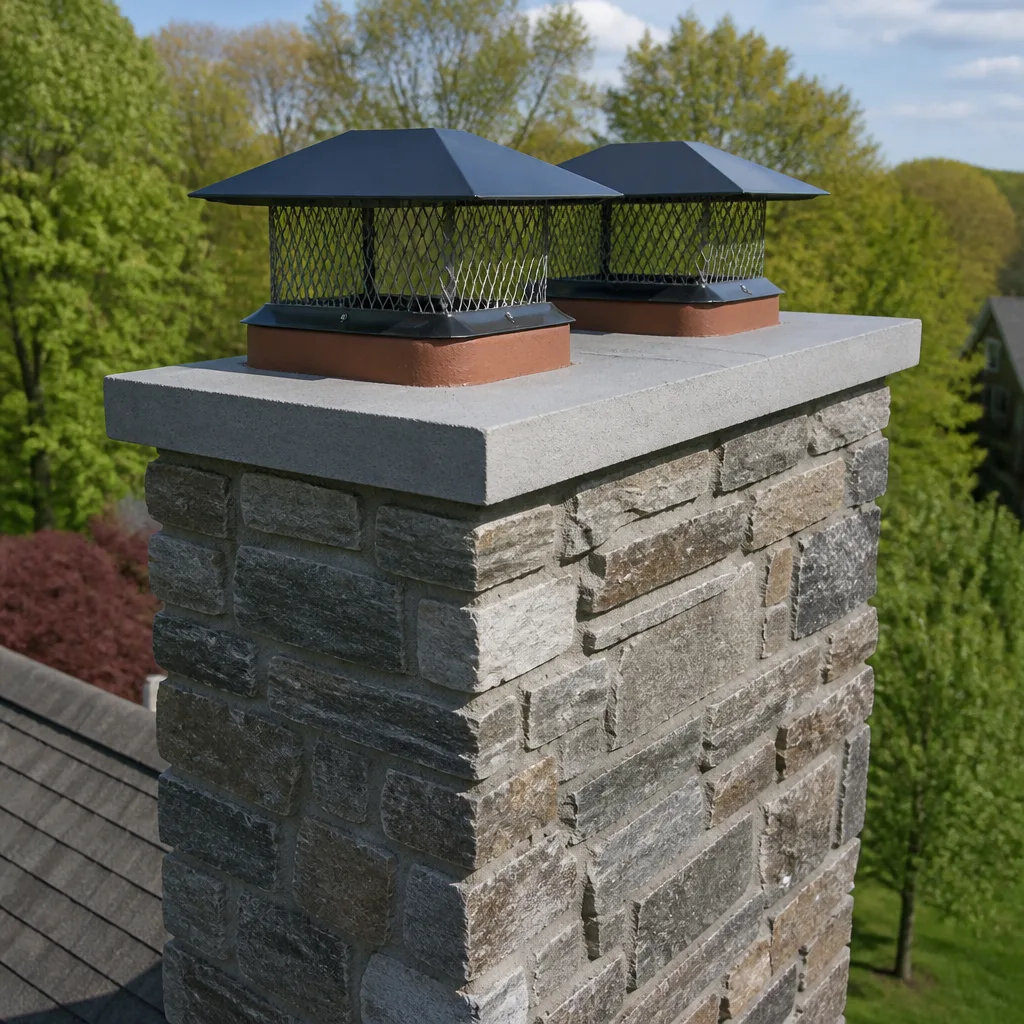 Caps & crowns
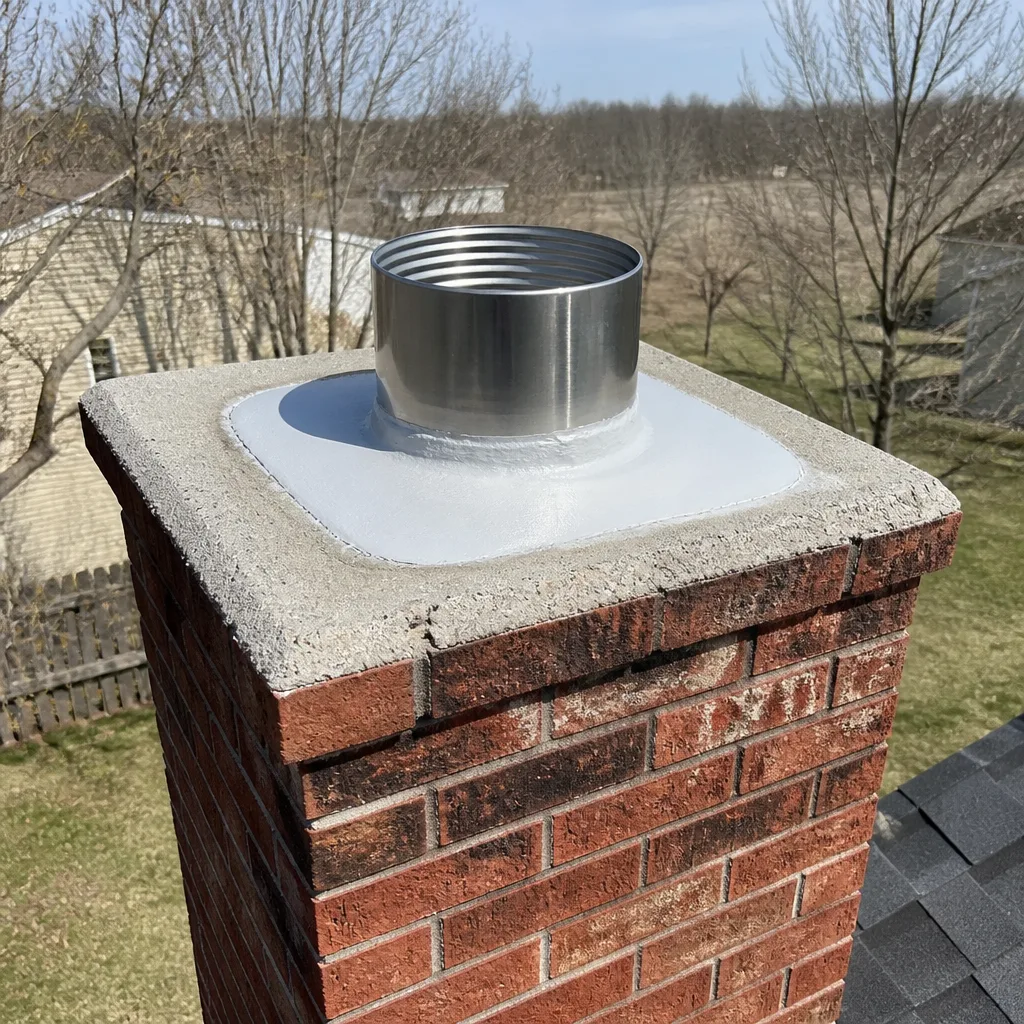 Flue relining
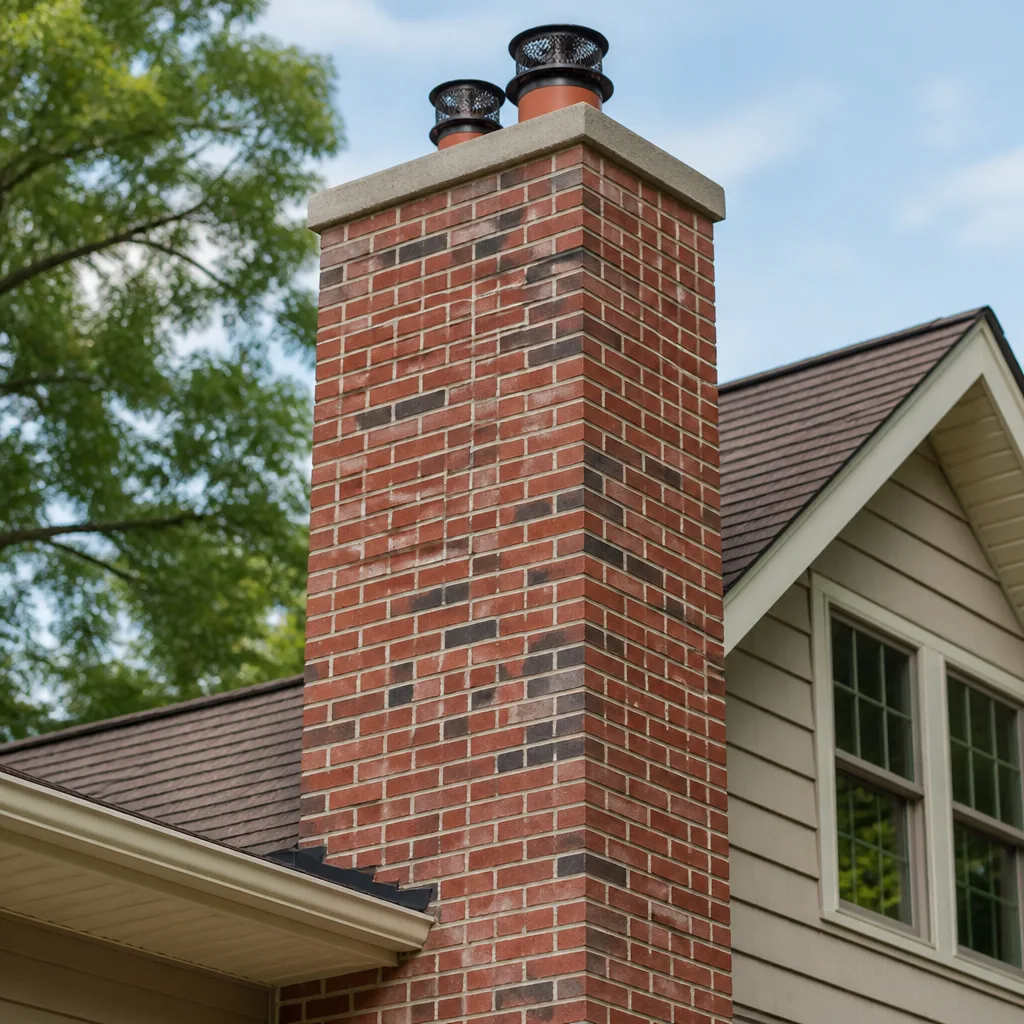 Masonry repair
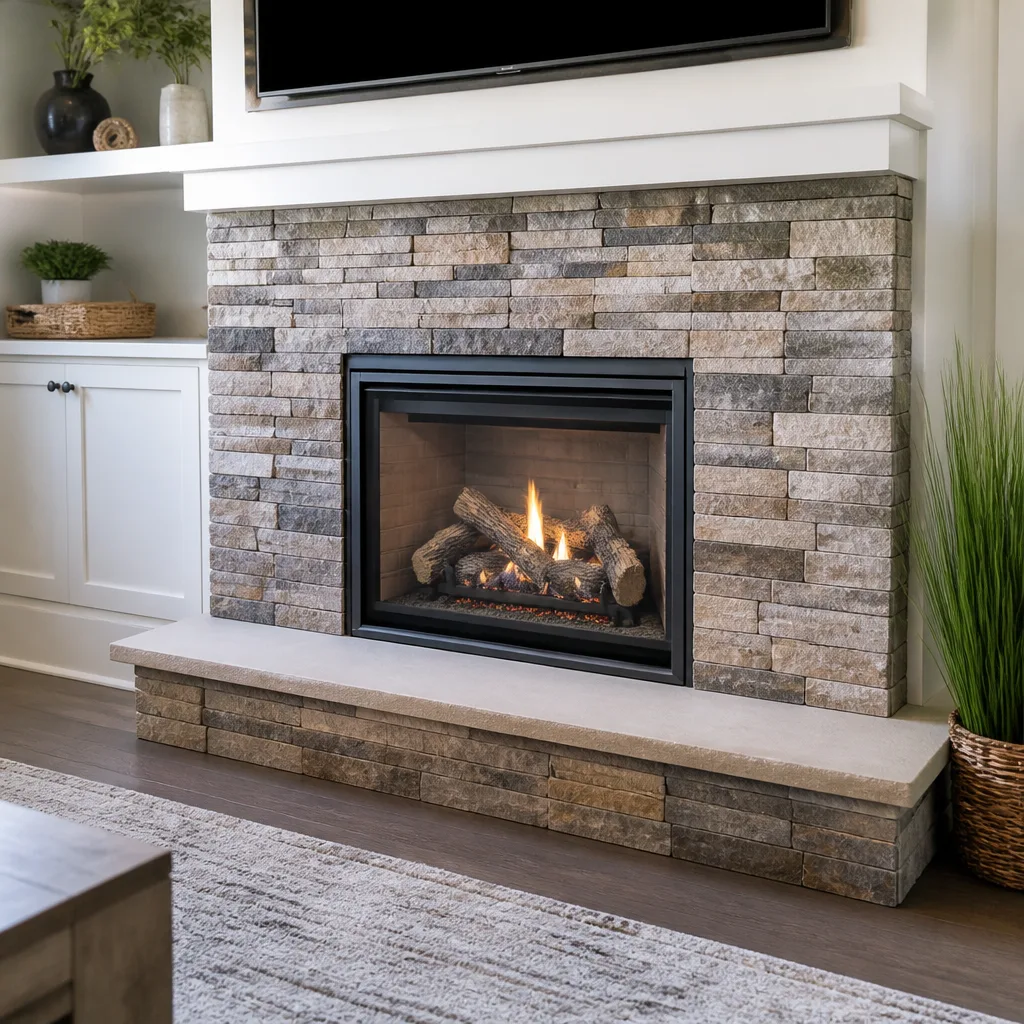 Gas fireplace service
Level 1 sweep and inspection to the NFPA 211 annual standard - flue, crown, cap, and flashing checked and photographed
Chimney sweep logs do not sweep chimneys. They loosen some creosote - which then falls where a brush and vacuum still have to collect it.
Chimney Sweep Maintenance Schedule: What to Do and When
The worst time to discover your chimney cap rusted through is the first cold weekend in October. But that damage started in June, and nobody looked. That’s the trap with chimney care: most homeowners treat it as one annual task, a sweep booked when the first freeze is in the forecast, when a chimney is really a system exposed to Oklahoma’s weather year-round. Moisture, heat, freeze-thaw cycles, and animals work on it in every season. This guide lays out a month-by-month maintenance schedule tuned to how a chimney actually ages in Edmond, so you’re checking the right thing at the right time instead of reacting to surprises.
Quick Answer
A chimney should be swept and inspected once a year, ideally in late summer or early fall before the first fire. Around that annual sweep, you should do simple visual checks each season: a spring look for moisture and cracked mortar, a summer check for animal nests and cap damage, a fall pre-season inspection, and winter monitoring of draft and creosote buildup. In Edmond’s freeze-thaw climate, the post-winter and post-ice-storm checks matter as much as the sweep itself.
Styles & brands we work with
- Sweep & inspection
- Caps & crowns
- Flue relining
- Masonry repair
- Gas fireplace service
Table of Contents
- Why an Annual Sweep Isn’t a Maintenance Schedule
- Spring: The Moisture Season
- Summer: Animals, Caps, and the Damage You Can’t See
- Fall: The Pre-Season Sweep and Inspection
- Winter: Draft, Creosote, and Liner Monitoring
- The Post-Ice-Storm Checklist for Edmond’s Freeze-Thaw Cycle
- What Resets a Liner Warranty and What Voids It
- How to Log Your Chimney’s Condition Over Time
- Owner Checks vs. Professional Inspections: A Frequency Table
- Common Mistakes to Avoid
- When to Call a Professional
- Frequently Asked Questions
Why an Annual Sweep Isn’t a Maintenance Schedule
A yearly sweep is one task on a calendar. A maintenance schedule is a set of checks timed to what the weather is doing to your chimney right now. Those are different things, and the gap between them is where most expensive chimney problems start.
Think about what a chimney in Edmond actually faces across a year. Spring brings heavy rain that finds every crack in the crown and every gap in the flashing. Summer bakes the masonry and gives birds and squirrels months to move in. Fall is when you want everything clean and inspected before you light the first fire. And winter is the test: freeze-thaw cycles, ice storms, and the constant cycling of heat and cold that opens mortar joints a little more each season.
A brush run in October catches the creosote. It doesn’t necessarily catch the crown crack that let water in all spring, or the nest that got built in June, or the rusted cap that’s been failing since summer. Those get found by looking at the right time.
The other reason to think in seasons: a chimney is a system, not just a flue. The firebox, damper, smoke chamber, liner, crown, flashing, and cap all age at different rates and fail for different reasons. A proper chimney sweep addresses the flue. A maintenance mindset addresses the whole system, which is the point of this guide.
Spring: The Moisture Season
Spring is when water does the most quiet damage to a chimney. After a winter of fires and freeze-thaw, the masonry is at its most vulnerable, and spring rains find every opening. This is the season to look for water intrusion before it turns into a repair.
What to check as the weather warms, from the ground and from inside:
- Water stains on the ceiling or walls near the chimney, or a damp musty smell in the firebox after rain.
- Crumbling or missing mortar in the crown on top of the chimney. A cracked crown is the single most common way water gets into masonry.
- Rust or corrosion on the damper, firebox, or cap. Rust inside a firebox is a water signal, not just an age signal.
- Efflorescence, the white chalky staining on exterior brick, which points to moisture moving through the masonry.
- Loose or lifting flashing where the chimney meets the roof.
Here in Edmond, spring storms bring driving rain that pushes sideways into places a straight-down shower never reaches. That’s why crown and flashing checks matter so much locally. If you find active water intrusion, don’t wait for fall. Call for an inspection so the source can be found before the damage spreads into the liner or the framing around the chimney. Water that reaches a deteriorated liner is one of the ways a cheap fix in spring turns into a relining job by fall.
Spring is also a good time to schedule the annual sweep if you didn’t get to it in late winter. Clearing out winter’s creosote in spring rather than fall means the flue sits clean and dry all summer, which is exactly the condition you want going into the heating season.
Summer: Animals, Caps, and the Damage You Can’t See
Summer is the season homeowners ignore the chimney, and it’s the season it’s most likely to be quietly damaged. A chimney is a warm, dry, protected cavity with a hole in the top. To a bird or a squirrel, that’s a home.
The problems that build between June and September:
- Animal nests and debris. Birds, squirrels, and raccoons get into uncapped or poorly capped flues. Nests block the flue and create a fire risk, and animals can damage the liner.
- Cap and crown weathering. Summer sun and heat cycles expand and crack metal caps and masonry crowns. A cap that’s rusting through in July will be gone by October, which is the scenario this guide opened with.
- Rain intrusion with no fire to dry it out. In summer, there’s no fire to dry out moisture that gets in, so it sits. Masonry that stays damp is masonry that’s slowly spalling.
- Deteriorating chase covers and flashing. The chase cover over a manufactured chimney is a common failure point. It’s weather-rated hardware, and it wears out.
We use hardware from brands like Gelco and Copperfield for caps and covers because a $30 hardware-store cap doesn’t last through an Oklahoma summer, let alone five of them. The right cap does two jobs at once: it keeps water out and it keeps animals out. If your cap is loose, rusted, or missing, summer is the time to deal with it, not the first cold weekend of fall.
The cap is the closest thing a chimney has to a roof. Fixing it isn’t cosmetic. It’s what protects everything below it for the next 20 years.
Fall: The Pre-Season Sweep and Inspection
Fall is the anchor of the whole schedule. This is when every wood-burning homeowner should have the chimney swept and inspected, before the first fire of the season. Booking in late summer or early fall means you’re not competing for a slot the week of the first freeze.
Here’s how a proper pre-season visit should go, in order:
- Sweep the flue. Remove creosote and soot from the flue, firebox, smoke chamber, and damper.
- Inspect to NFPA 211 categories. A professional inspection covers the firebox, damper, smoke chamber, flue, liner, crown, cap, and flashing, and documents what’s found.
- Check the draft. Make sure the flue is pulling correctly before the heating season, especially if you’ve changed anything about the fireplace or added a gas appliance.
- Spot code and safety issues. A good inspection finds problems while they’re cheap, before they become emergencies mid-winter.
- Provide documentation. A written record you can keep, share with your insurer, or hand to a home buyer if you sell.
One of the useful things about a professional inspection in the fall is that it gives you a baseline you can compare against next year. A technician who has last fall’s inspection notes can spot that a crown crack has grown or a mortar joint has opened, rather than starting from scratch. We see that trend data matter enormously: a small change year over year tells you more than any single visit.
In Edmond, the pre-season sweep is also when to ask about what your fireplace actually is. A wood insert, a gas insert, and an open-hearth fireplace each need slightly different maintenance, and the sweep should account for that. If you’re not sure what you have, the inspection is the time to find out.
Winter: Draft, Creosote, and Liner Monitoring
Winter is when the chimney is working hardest, and monitoring matters more than cleaning. You’ve already swept and inspected in fall, so during the heating season the job shifts to watching for signs that something needs attention.
What to watch for during the burning season:
- Draft problems. Smoke rolling into the room instead of up the flue, a fire that’s hard to start or keeps dying, or a cold draft coming down the chimney. These can point to a blocked flue, a cap issue, or a liner problem.
- Creosote buildup. If you burn a lot, especially with less-seasoned wood, creosote builds faster than once a season. Sticky, tar-like creosote is the dangerous kind. If you’ve burned heavily, a mid-winter sweep may be worth it.
- Odd smells or smoke odors. A strong smoky smell in the house when the chimney isn’t in use can signal a draft issue or a buildup problem.
- Liner performance. A liner that’s deteriorating will show up as draft problems, debris, or visible damage. Don’t ignore a change in how the fireplace behaves.
The reason to take draft changes seriously is carbon monoxide. A blocked or failing flue can let combustion gases back into the home instead of up and out. That’s not a reason to panic, but it is a reason to treat a draft change as a real symptom, not a nuisance, and to have it checked. A trained professional should assess anything involving the flue or combustion gases. This isn’t work to improvise on your own.
If your fireplace just doesn’t seem to draw the way it used to, don’t wait until spring. Call for an inspection. It’s usually an easy fix and a dangerous thing to ignore.
The Post-Ice-Storm Checklist for Edmond’s Freeze-Thaw Cycle
Edmond’s winters bring ice storms and hard freezes, and the freeze-thaw cycle is one of the most damaging things a masonry chimney faces. Water gets into a crack, freezes, expands, and opens the crack wider. Repeat that over a winter and you can lose a crown, a joint, or a liner. After any significant ice storm or hard freeze, work through this checklist:
- Look at the crown. From the ground with binoculars, check for new cracks, spalling, or pieces missing. The crown takes the brunt of freeze-thaw.
- Inspect the cap and chase cover. Ice and wind can strip a cap loose or crush a rusted one. If it’s hanging or missing, get it fixed before the next storm.
- Check for loose brick and mortar. Look for pieces on the roof or ground, and for visibly loose mortar joints. Don’t climb up yourself to check close-up; a trained professional should do roof-level inspection.
- Check the flashing. Ice dams at the roofline can lift flashing and open a path for water.
- Look inside for water. Stains on the ceiling, dampness in the firebox, or a smell after the thaw are all signals that ice drove water in somewhere.
- Check the firebox and damper for rust. A freeze followed by a thaw can push moisture into places that didn’t have it before.
If you find damage, get it looked at before spring rains arrive. A cracked crown found after an ice storm in January is a small repair. The same crack found in April, after three months of water getting in, is a bigger one. This is the season where early detection pays off most.
One more local note: don’t assume a chimney that survived the storm is fine. Ice damage is often invisible from the ground. The post-storm checklist is a screening step, not a substitute for a professional inspection when something looks off.
What Resets a Liner Warranty and What Voids It
If your chimney has a relining system, its warranty isn’t just about the product. It’s also about how the system is maintained. A liner installed with a system like DuraFlex is manufacturer-backed, but that backing comes with conditions. Following the maintenance schedule is what keeps it valid.
Tasks that support and preserve a liner warranty:
- Annual sweeping and inspection. Most liner warranties assume the chimney is maintained and inspected annually. Skipping years is the most common way homeowners void coverage without realizing it.
- Keeping the cap in place. A missing cap lets water and animals in, and water is the enemy of a liner.
- Addressing moisture promptly. A crown or flashing leak that’s left to pour water onto a liner is a warranty problem waiting to happen.
- Using qualified professionals. Work done by someone who isn’t a chimney specialist can void a warranty. This is one of the reasons we use manufacturer-backed materials and follow the makers’ installation and maintenance guidance on every job.
What tends to void or complicate a warranty: skipped annual inspections, unaddressed water intrusion, animal damage from a missing cap, and repairs done with improvised materials rather than the correct system. If you have a liner and you’re not sure what your warranty requires, ask during your next inspection. A professional should be able to tell you what maintenance your specific system expects.
This is also where the difference between a general handyman and a chimney specialist shows. A liner is a system with a manufacturer behind it. Maintaining it correctly is what keeps that manufacturer backing meaningful.
How to Log Your Chimney’s Condition Over Time
Most homeowners start from scratch every visit. A technician shows up, looks at the chimney, and has no idea what it looked like a year ago, five years ago, or after last winter’s ice storm. A simple log changes that.
What to record, and when:
- Date and season of each check or visit. Note whether it was a routine sweep, a post-storm check, or a problem call.
- What was found. Cracks, rust, animal activity, water stains, draft changes. Note the location: crown, cap, flashing, firebox, liner.
- Photos. A photo of the crown from the ground each season is worth more than any description. Compare year to year.
- Work performed and materials used. If a repair was done, note what was used. If a liner was installed, note the system.
- Anything you noticed between visits. A smoky smell, a drafty fireplace, a change in how the fire burns.
We keep inspection records the same way, aligned with NFPA 211 categories, so there’s a documented history rather than a fresh guess each time. When you have that history, a technician can see a trend: the crown crack that grew a quarter inch over two years, the flashing that’s been lifting slowly, the mortar that’s been failing a little faster each season. That’s how you catch a problem while it’s small instead of after it becomes an emergency.
Keep the log with your home records. It’s useful to your insurer, useful when you sell, and useful to whoever inspects the chimney next.
Owner Checks vs. Professional Inspections: A Frequency Table
Not every check requires a professional. Some are simple visual observations you can do safely from the ground or from inside. Others genuinely need a trained eye and the right equipment. This table separates the two.
- Visual crown and cap check (from the ground, binoculars): every season, and after any storm. Owner-level observation. Note cracks, rust, missing pieces.
- Interior water and draft check: spring and after any significant rain or ice event. Owner-level. Look for stains, dampness, rust in the firebox, draft changes.
- Annual professional sweep and inspection (NFPA 211): once a year, ideally late summer or early fall. Professional.
- Post-ice-storm inspection: after any hard freeze or ice storm in Edmond. Professional, especially if anything looks off from the ground.
- Liner and flue assessment: at the annual inspection, and any time draft problems appear. Professional.
- Firebox, damper, smoke chamber check: at the annual inspection. Professional.
- Warning-sign response (smoke, smells, draft failure): as soon as it appears. Professional, not a wait-and-see item.
The line between owner-level and professional-level is simple: if it requires climbing onto the roof, opening up the flue, or evaluating structural components, it’s professional work. Roof-level inspection is dangerous, and a trained professional should do it. The owner’s job is the ground-level visual check and a good log. The specialist’s job is everything that requires tools, training, and getting up high.
Getting that division right is what makes the schedule work. The homeowner catches changes early; the professional confirms and fixes them. Neither job replaces the other.
Common Mistakes to Avoid
- Booking the sweep only in fall. The annual sweep is one task, and by fall the damage from spring water and summer animals has already happened. Use the seasonal checks to catch problems when they start.
- Ignoring a cracked crown. A crown crack is the most common way water gets into a chimney, and in Edmond’s freeze-thaw winters it gets worse every season. It’s a small repair now and a much bigger one later.
- Running a chimney without a cap. Every uncapped flue is a bird, squirrel, or raccoon hotel in summer and a water funnel in the spring. Cap it.
- Skipping the post-ice-storm look. Ice damage is often invisible from the ground, and a freeze-thaw crack found in January is cheap to fix. The same crack found in spring may involve the liner.
- Not keeping records. Without a log or photos, every visit starts from zero, and you can’t see a trend until it’s a problem. Keep a simple record.
- Using a general handyman for chimney work. A liner or repair done with the wrong materials can cause problems and can affect the warranty on a manufacturer-backed system. Chimney work is specialist work.
- Waiting on draft problems. A fire that won’t draw properly, or smoke that comes into the room, can point to a blocked or failing flue and a carbon monoxide risk. Have it checked rather than hoping it settles.
When to Call a Professional
Some chimney problems are truly routine, and some need a call before the next fire. Call us if you notice smoke rolling into the room, a strong smoky smell in the house, or a draft that’s changed and won’t settle. Call for the annual sweep and inspection if it’s been more than a year. Call after an ice storm or hard freeze if anything looks off from the ground. And call if you’re not sure what you’re looking at; a free estimate costs nothing compared with an emergency repair or a carbon monoxide scare. Chimney and flue work is dangerous to assess without the right tools and training, so leave the roof-level and flue-level work to a professional.
Edmond Chimney Sweep offers free estimates in Edmond and handles sweep, inspection, and repair as one specialty practice. Call (844) 834-5906 for a free estimate. We answer 24/7. Fast dispatch from 7am to 7pm, Sunday through Friday. Our technicians have up to 14 years of experience, and we work with professional-grade materials from manufacturers like DuraFlex and HeatShield for liners and resurfacing, and Olympia Chimney and Famco for venting, so a repair is done with the right system rather than an improvised one.
Frequently Asked Questions
Once a year for most homes, and the annual sweep should come with a professional inspection. If you burn heavily, or notice a draft problem, a nest, or a mid-season change, don’t wait the full year. Call (844) 834-5906 for an exact quote: estimates are free.
Creosote builds up in the flue, and sticky, tar-like creosote is the kind that can ignite. Skipping the inspection also means a crown crack, a loose cap, or a failing liner can go unnoticed until it’s a bigger problem. None of that is a reason to panic, but it is a reason to book the annual visit. Call (844) 834-5906 for a free estimate.
Late summer or early fall is the best time for the annual sweep and inspection, because it’s done before the first fire of the season. Spring is a good backup if you missed it, and the spring season is a good time for the moisture checks. Call (844) 834-5906 for an exact quote: estimates are free.
If you have a damaged or deteriorating original flue liner, a relining system like DuraFlex is how the flue gets restored without demolition. Whether you need one depends on what the inspection finds, and a professional should tell you based on evidence, not guesswork. Call (844) 834-5906 for a free estimate.
Look from the ground for a cracked crown, a loose or missing cap, loose brick, and lifted flashing, and look inside for water stains, dampness, and rust in the firebox. If anything looks wrong, have a professional inspect before the next storm. Call (844) 834-5906 for a free estimate.
Yes for ground-level and interior visual checks: the crown and cap from a distance, water stains, rust, and draft changes. No for anything that requires climbing onto the roof or opening up the flue; that work is dangerous and needs a trained professional. Call (844) 834-5906 for a free estimate.
The Bottom Line
A sweep once a year is a start, but it isn’t a maintenance schedule. Edmond’s seasons each do something different to a chimney, and timing the checks to those seasons is what keeps a small issue from becoming an emergency. Do the ground-level visual checks every season, book the annual sweep and inspection before the first fire, and have a professional look at anything involving the flue, the liner, or the roof. Our team at Edmond Chimney Sweep handles the whole system, so a sweep, an inspection, and a repair are one call. We carry the repair through: sweep, inspect, fix, done.
Written by the team at Edmond Chimney Sweep.
See the difference
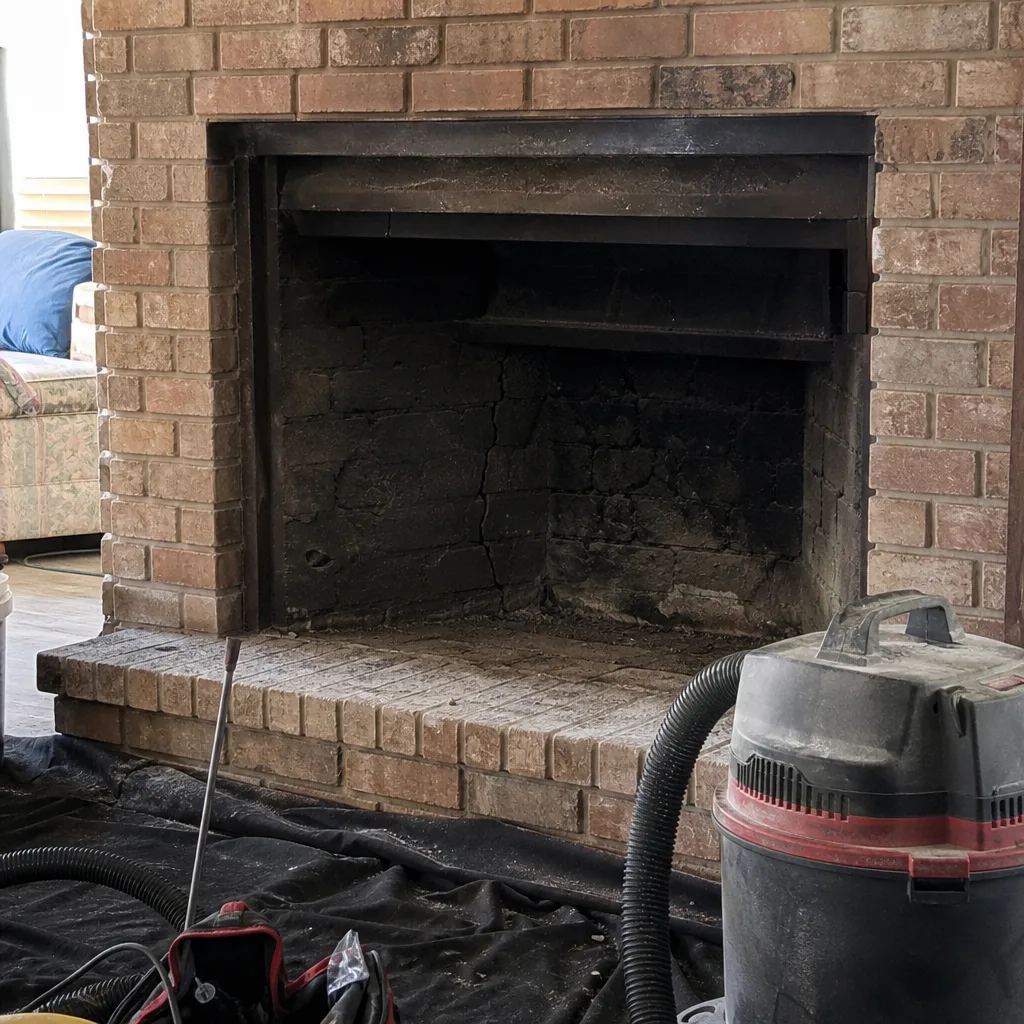 Before
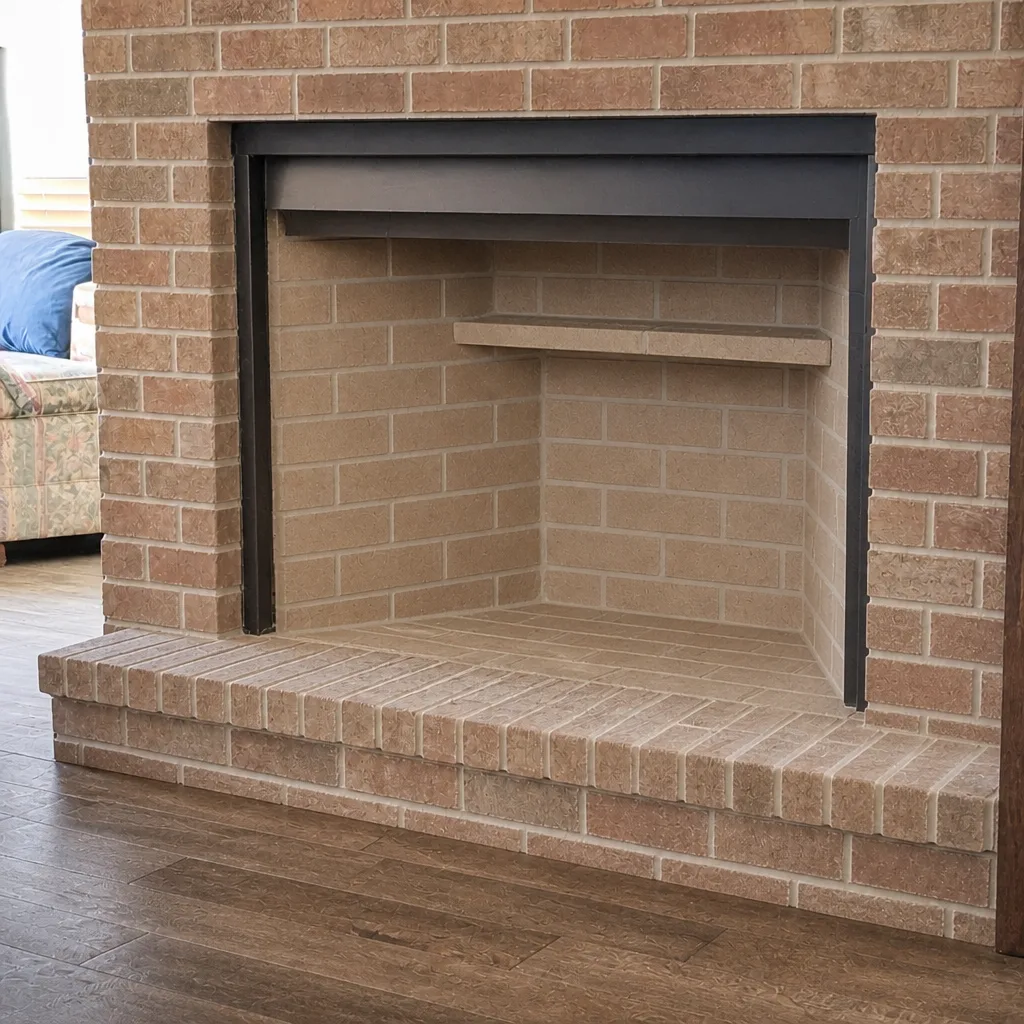 After
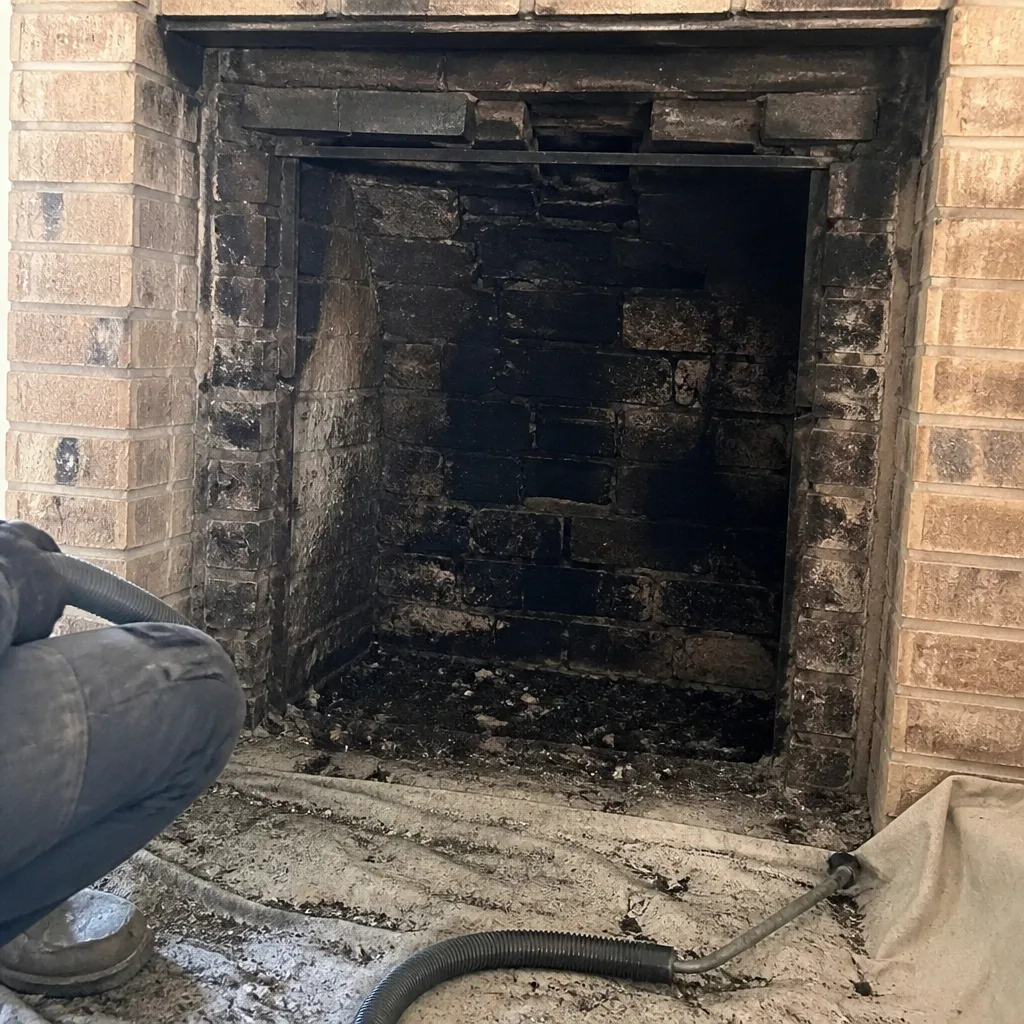 Before
 After
 Before
 After