
Last updated November 16, 2026
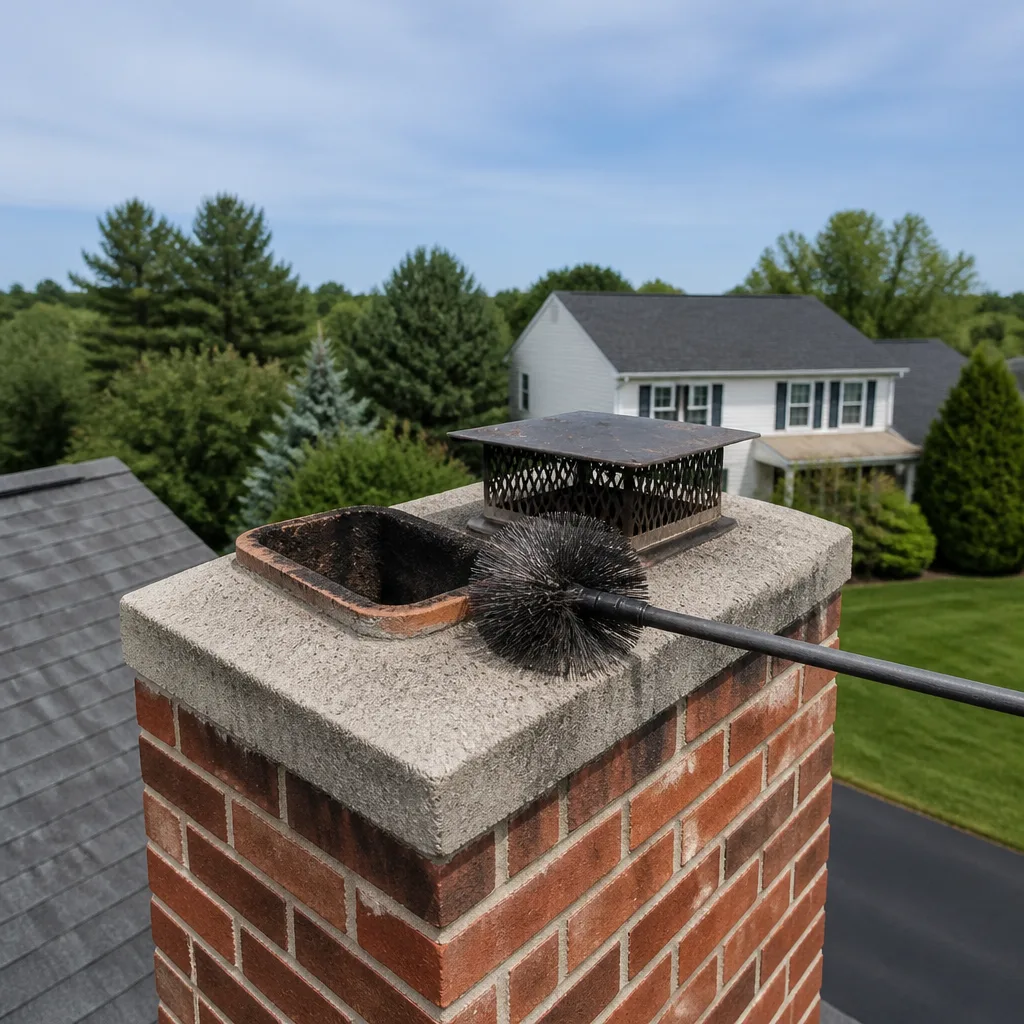 Sweep & inspection
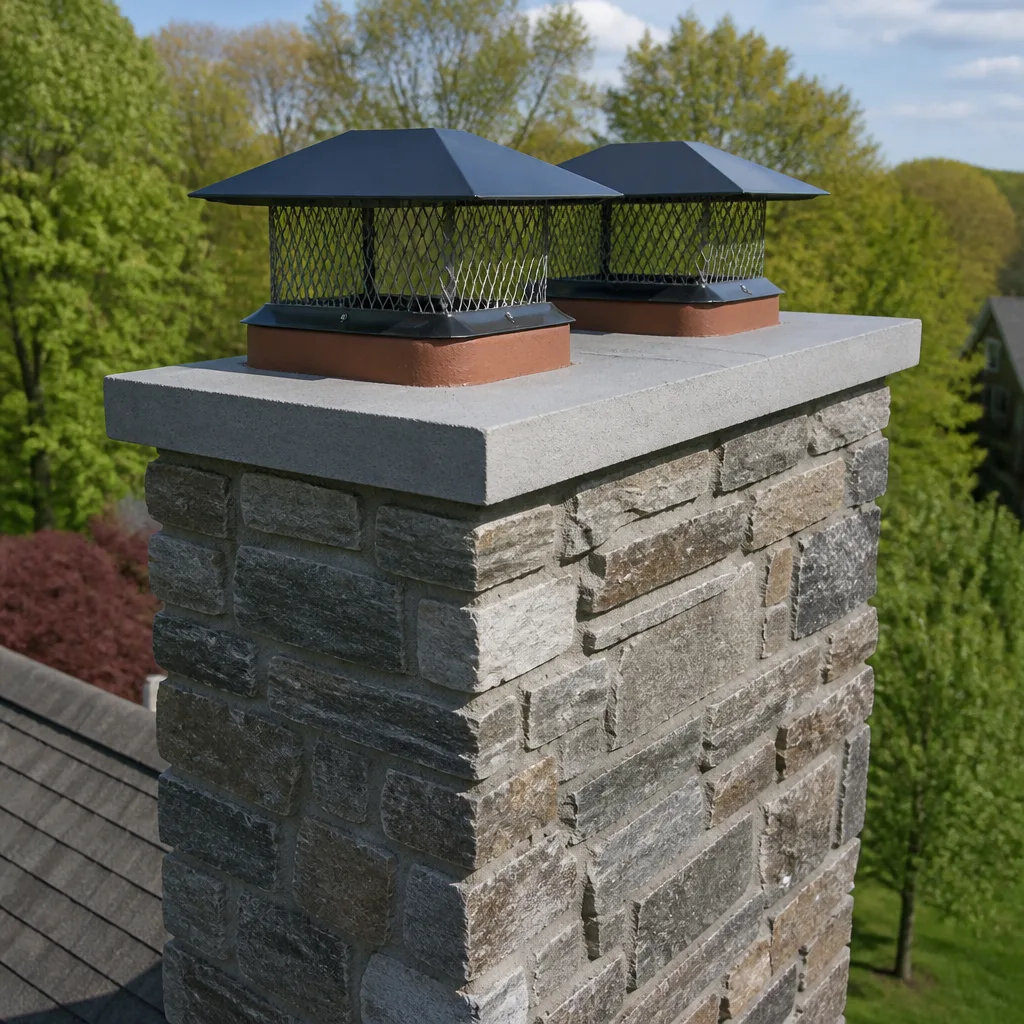 Caps & crowns
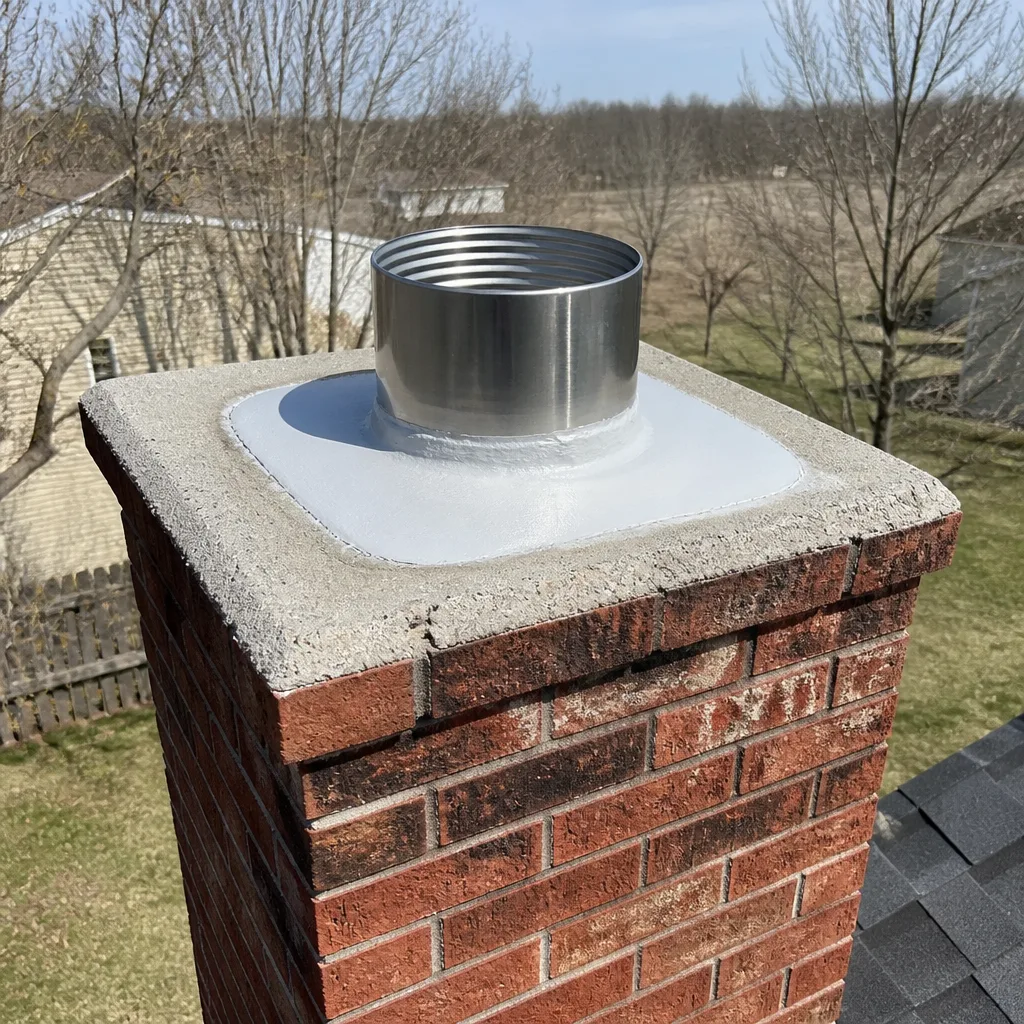 Flue relining
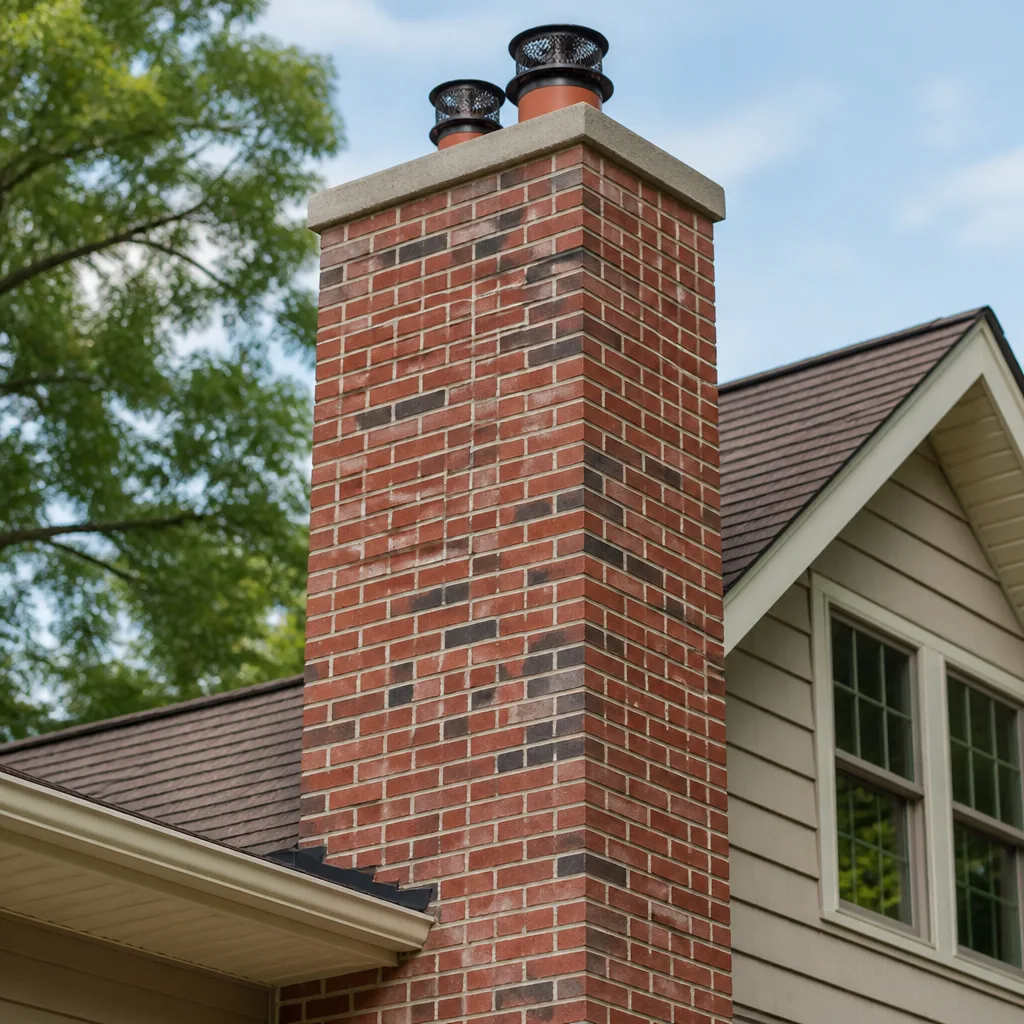 Masonry repair
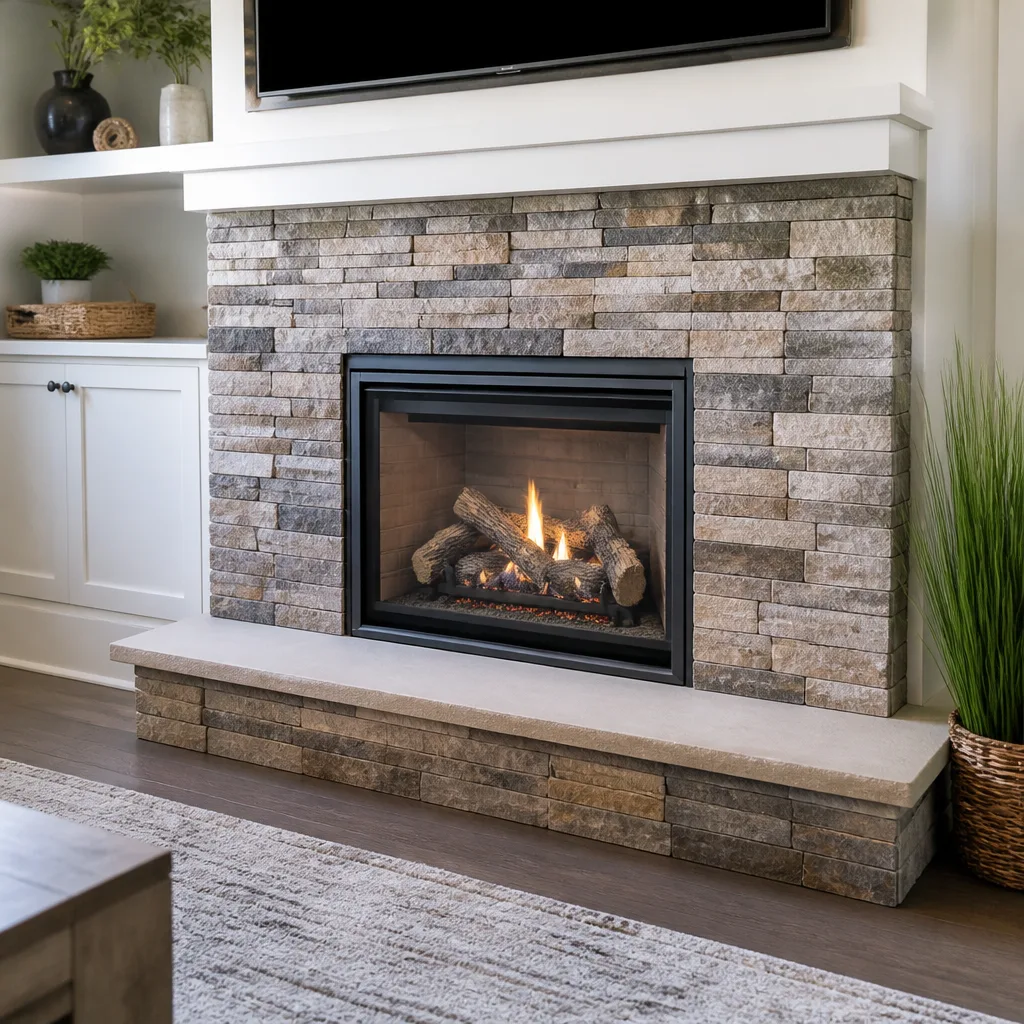 Gas fireplace service
Level 1 sweep and inspection to the NFPA 211 annual standard - flue, crown, cap, and flashing checked and photographed
Chimney sweep logs do not sweep chimneys. They loosen some creosote - which then falls where a brush and vacuum still have to collect it.
Chimney Cleaning Emergency Preparedness Guide for Edmond Homes
Most Edmond homeowners start thinking about chimney emergencies when the smoke alarm goes off. By then, the window for prevention has closed. The work that actually prevents a chimney fire happens months earlier, in how the system is maintained, in what you know to watch for, and in the first few minutes after ignition. Creosote buildup in a flue can ignite at temperatures high enough to crack a clay liner and reach adjacent framing, and a fire can be well underway before the fire department arrives. This guide covers what a chimney fire actually is, the pre-season steps that reduce your risk, what to do in the first five minutes, how to prepare for carbon monoxide risk, and what comes after an event. Read it in Edmond before the first cold night, not after.
Quick Answer
Chimney fire emergency preparedness in Edmond comes down to three things: sweep before burning season so creosote never gets thick enough to ignite, keep a working carbon monoxide detector on every level and near sleeping areas, and know the first-five-minute protocol – close the damper, get everyone out, call 911, and never try to burn the fire out. If a chimney fire has already happened, no more fires until a Level 2 inspection confirms the flue is intact.
Styles & brands we work with
- Sweep & inspection
- Caps & crowns
- Flue relining
- Masonry repair
- Gas fireplace service
Table of Contents
- What Actually Happens During a Chimney Fire
- Pre-Season Preparedness That Reduces Chimney Fire Risk
- The First Five Minutes: What to Do If a Chimney Fire Starts
- Carbon Monoxide Preparedness for Edmond Homes
- Post-Event Protocol: Why a Level 2 Inspection Comes Next
- The Damper Check Every Homeowner Should Do
- How Edmond’s Climate and Housing Shape Your Risk
- Building a Yearly Chimney Care Schedule
What Actually Happens During a Chimney Fire
A chimney fire is a creosote fire. Creosote is the tar-like residue left behind when wood burns incompletely, and it accumulates on the inside of the flue in layers that can glaze into a hard, highly combustible crust. When flue temperatures climb high enough, that glaze can ignite. The resulting fire can reach temperatures near 2,000 degrees inside the flue – hot enough to crack a clay tile liner, warp a metal liner, or transfer heat through the masonry into wood framing that was never meant to see those temperatures. That heat transfer is where the real structural danger lives, because the fire inside the flue and the fire inside the wall are the same event by the time anyone notices.
What homeowners report before an event, in our experience, follows a pattern. A roaring or rumbling sound that resembles a freight train is the most commonly described sign. Some describe popping or crackling louder than normal fire noise, a shaking of the chimney pipe, or a hot, acrid smell in the room. Black smoke or sparks at the chimney top are visible from outside in some cases. But the escalation is fast. A slow-burning fire in a firebox can turn into a flue fire in seconds once the creosote catches, which is why containing a chimney fire in progress is almost entirely out of a homeowner’s hands. The only reliable response is prevention, and the only reliable prevention is a clean, inspected flue before burning season starts in Edmond.
Pre-Season Preparedness That Reduces Chimney Fire Risk
The single most effective preparedness step is a sweep before the first fire of the season. The industry standard is to sweep when creosote reaches 1/8 inch of buildup, or at least once per year of use, whichever comes first. For many Edmond households that’s an annual cadence, but homes with heavy wood use, unseasoned wood, or a history of buildup may need it more often. Creosote at 1/8 inch is the threshold where ignition risk rises sharply, and at 1/4 inch or more the flue is in a genuinely dangerous condition. That’s why we recommend every homeowner know where their flue sits on that scale before the weather turns, not after.
Alongside the sweep, an inspection is the second preparedness pillar. An NFPA 211-aligned inspection covers the firebox, damper, flue liner, chimney cap, and visible exterior, and it documents the condition of the system in a form you can share with an insurer or a buyer. An inspection catches cracks, gaps, and blockages a sweep alone would miss. Together they form the foundation of a pre-season plan:
- Schedule a sweep before the first burn, ideally in late summer or early autumn when the backlog is short.
- Book an inspection alongside the sweep so the condition of the flue, cap, and firebox is documented.
- Test smoke and carbon monoxide detectors and replace batteries on the same day you schedule the sweep.
- Check your wood supply – seasoned wood burns cleaner and generates less creosote than green wood.
- Confirm the damper operates freely before the first fire (more on this below).
- Clear the chimney cap of any visible debris, bird nests, or leaf accumulation from the outside.
None of these steps is exotic. What matters is doing them before the first cold night in Edmond, so a small creosote problem gets solved while it’s still small. Our chimney sweep service covers the cleaning itself, and it pairs naturally with an inspection so nothing gets missed between the two.
The First Five Minutes: What to Do If a Chimney Fire Starts
If you suspect a chimney fire, act on the assumption it is one. The cost of being wrong is a ruined evening; the cost of ignoring a real fire can be the structure. Here is the protocol, in order:
- Close the damper. Cutting off the air supply to the firebox starves the fire and slows escalation. Do this only if you can reach the damper safely and the fire is still contained in the firebox or flue.
- Get everyone out of the house. Leave the building and move to a safe distance. Do not stop to gather belongings.
- Call 911. Report a possible chimney fire at your address. The fire department can confirm whether the fire is contained or has spread.
- Do not try to put water on it. Pouring water into a hot firebox or flue can crack a liner, create a steam explosion, or spread the fire into surrounding structure.
- Do not try to “burn it out.” The idea that a hot, fast fire will clear creosote is a myth and a dangerous one. A hot fire is precisely what ignites the creosote.
- Stay out until cleared. Do not re-enter the home until the fire department confirms it is safe.
If you’ve already had a fire and are uncertain whether the containment was complete, call us. We answer 24/7. A call outside dispatch hours is booked into the next opening, Sunday through Friday, 7am to 7pm.
Carbon Monoxide Preparedness for Edmond Homes
A chimney fire is the visible emergency. Carbon monoxide is the invisible one, and it’s arguably the more likely risk in a typical Edmond home because it can develop slowly from a damaged flue without any fire at all. When a flue is blocked by a bird nest, cracked liner, or heavy debris, combustion gases have nowhere to go but back into the living space. CO is colorless and odorless, so the only reliable warning is a detector. This is not a hazard to minimize; it’s one to plan around.
- Place detectors on every level of the home, including the basement if you have one, and outside each sleeping area.
- Add one near the fireplace room, but not directly above the firebox where normal firing can trigger nuisance alarms. A few feet away on the same level is a better setup.
- Test every detector monthly and replace the units on the manufacturer’s recommended schedule.
- Know the symptoms: headache, dizziness, nausea, confusion, and shortness of breath that improve when you leave the house are classic signs of CO exposure. Get everyone outside and call 911 if you suspect it.
A blocked or damaged flue is one of the more common causes we find during inspection in Edmond, and it’s exactly the kind of thing a homeowner has no way to detect from inside the room. That’s the reason an annual inspection matters, and the reason detector placement should not be an afterthought.
Post-Event Protocol: Why a Level 2 Inspection Comes Next
After a chimney fire, the flue is in an unknown condition until it’s inspected. That’s the entire reason for the strict rule: no more fires until a Level 2 inspection is completed. A Level 2 inspection includes a video scan of the flue interior, which is the only way to see the kind of damage a fire leaves behind. A clay tile can crack in a way that’s invisible from the firebox. A metal liner can warp or separate at a joint. Even after a contained fire, the creosote that burned can leave a glazed, compromised surface that a visual check from below will never reveal.
What a Level 2 inspection looks for after a fire:
- Liner cracks, gaps, and joint separation – the most common fire-related damage, and the hardest to see without a camera.
- Flue obstructions – collapsed tiles, fallen debris, or creosote crust that’s now blocking the passage.
- Evidence of heat transfer into framing – charring or pyrolysis near the chimney chase, which is the structural concern the fire department is watching for.
- Cap and crown damage – the exterior often takes the worst of the heat and weather.
- Damper integrity – a warped damper won’t seal properly, which affects every future fire.
If the inspection finds damage, we can carry the repair through. We work with professional-grade materials – DuraFlex flexible liner systems for relining an aging or damaged flue, and HeatShield resurfacing to restore a deteriorating liner without full demolition. The point is to give the homeowner one relationship for the whole system, so a post-fire inspection doesn’t turn into a referral chain. That’s what we mean when we say we work on the whole system, not just the part you can see.
The Damper Check Every Homeowner Should Do
Before the first fire of the season, open and close the damper fully. It should move smoothly and seal cleanly at both ends of its travel. If it sticks, grinds, or won’t close flush, that’s a pre-season problem that needs attention now, not the night you want a fire. A damper that doesn’t seal properly lets heated air escape up the flue when the fireplace is idle and can leave a gap where smoke and gases leak into the room when it’s in use. A damper that doesn’t open fully causes a poorly drafting fire, which is one of the more common contributors to creosote buildup. The check takes a few seconds, and it’s the one step that’s fully in the homeowner’s control before the season starts.
If the damper needs replacement, that’s a repair we handle as part of our chimney repair service. Damper components, caps, and weather-rated hardware come from brands like Gelco and Olympia Chimney, because the economy parts from a big-box store don’t hold up to Oklahoma weather or the heat cycling of a working fireplace.
How Edmond’s Climate and Housing Shape Your Risk
Edmond’s burn season runs late fall through early spring, and the shoulder months are when creosote accumulates fastest because homeowners are still burning but the fire is often small, cool, and smoky. Cool, slow fires generate more creosote than hot, efficient ones, which is the paradox of early-season burning. Add in the wide temperature swings Edmond sees in fall and spring, and you get flue conditions that cycle between warm-and-drafting and cold-and-stalled, which is hard on both the liner and the creosote layer. The result is that the annual sweep matters more here than the yearly calendar suggests.
The housing stock in Edmond adds another layer. Many homes have masonry fireplaces with clay tile liners that are decades old and were installed under older code. Some have had inserts added later without the flue being re-evaluated, and some have gas appliances venting into flues that were sized for wood. Each of those setups changes the inspection and sweep needs. Neighborhoods with larger, newer homes and tall chimney chases see more wind load on the cap and crown; older neighborhoods see more clay tile liners that have aged through multiple heating cycles. Neither is a problem on its own, but both are reasons to know the actual condition of your specific Edmond system rather than assume it’s fine.
Building a Yearly Chimney Care Schedule
A yearly schedule is the backbone of preparedness. The steps below follow the general shape of what we recommend to Edmond homeowners, adjusted for how much and what kind of fuel is burned. If you burn wood regularly through the season, the annual sweep is a floor, not a ceiling. If you use the fireplace a few times a month, the annual sweep plus an inspection is the standard. Either way, scheduled work in the late summer or early fall means you’re ready before the first cold night, not scrambling when the first freeze hits.
- Late summer: book a sweep and inspection. Verify the damper operates. Test detectors.
- Early fall: confirm the cap and crown are clear. Check the wood supply is seasoned.
- Mid-season: if you’ve burned more than usual, or the fire is smoking back, book a mid-season sweep.
- Late winter: do a visual inspection of the firebox and cap, and note any concerns for the spring appointment.
- Spring: after the last burn, schedule the next sweep for late summer and have the inspection done before the next season.
If a fire happens anyway, the schedule resets around the post-event inspection. Everything else waits until the Level 2 clears the flue.
Common Mistakes to Avoid
- Burning green or unseasoned wood. Wet wood burns cooler and smokier, which dumps more creosote into the flue. Seasoned wood is the difference between a manageable accumulation and a dangerous one.
- Skipping the annual sweep “because I only burn a little.” Small, cool fires are exactly what generates the most creosote. Low use doesn’t mean low risk in Edmond.
- Trying to burn out a creosote problem with a hot fire. This is the most dangerous myth in the trade. A hot fire is what ignites creosote, not what clears it.
- Skipping the Level 2 inspection after a fire. A visual check from the firebox cannot see the interior of the flue. Only a camera scan can.
- Moving the carbon monoxide detector away from the fireplace because it “keeps chirping.” Nuisance alarms near a firebox are usually a placement problem, not a reason to remove the detector.
- Neglecting the damper check before the season. A damper that won’t seal is a quiet efficiency problem and, sometimes, a smoke-back problem.
- Using economy caps and hardware. Cheap caps fail in the first hard freeze, and a failed cap lets water and animals into the flue. Weather-rated components from brands like Gelco hold up better in Edmond’s swings.
See the difference
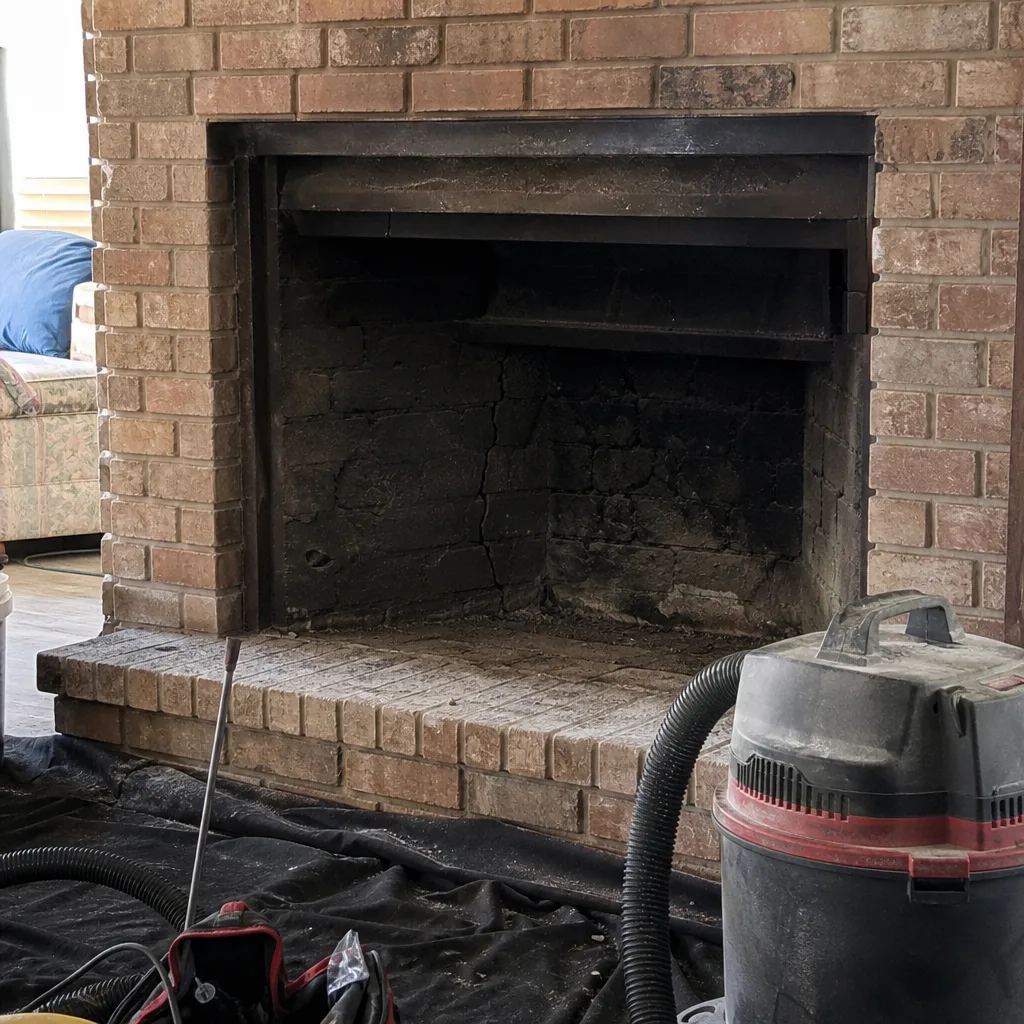 Before
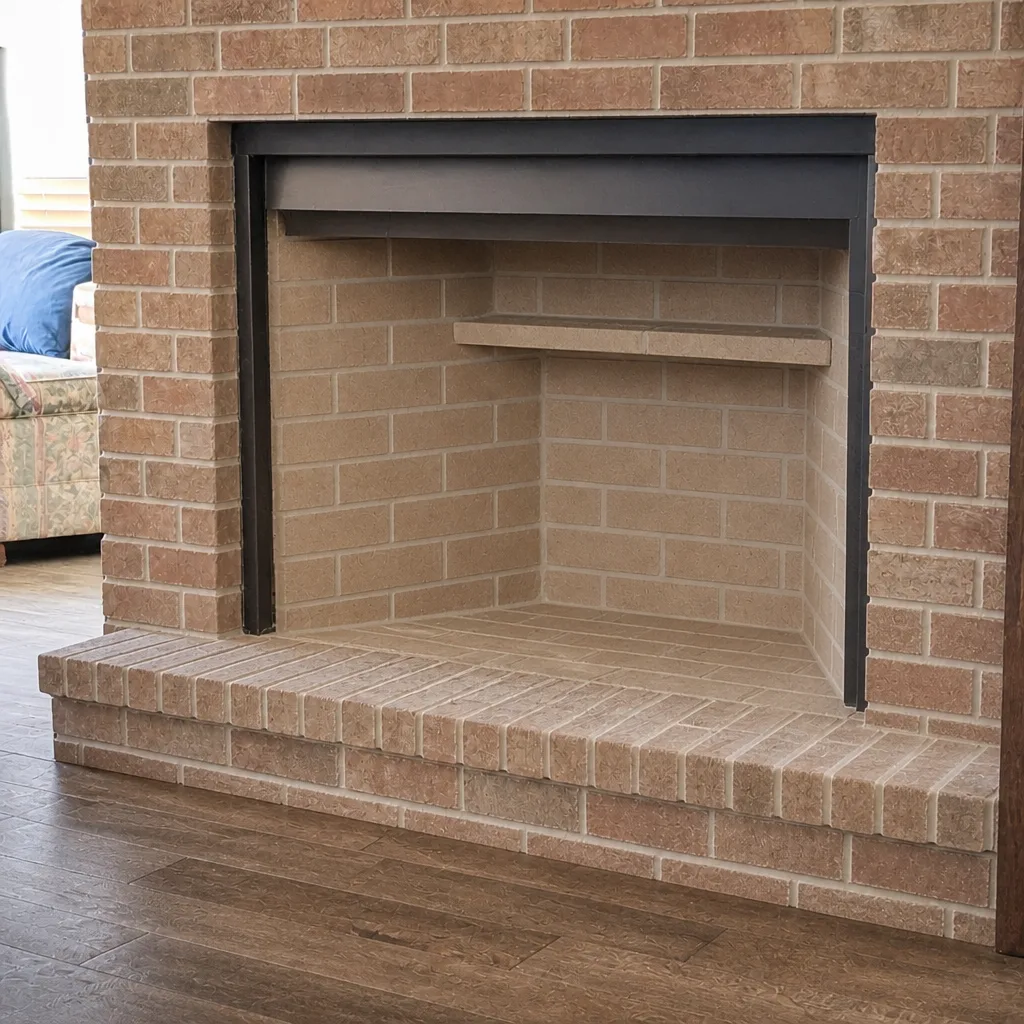 After
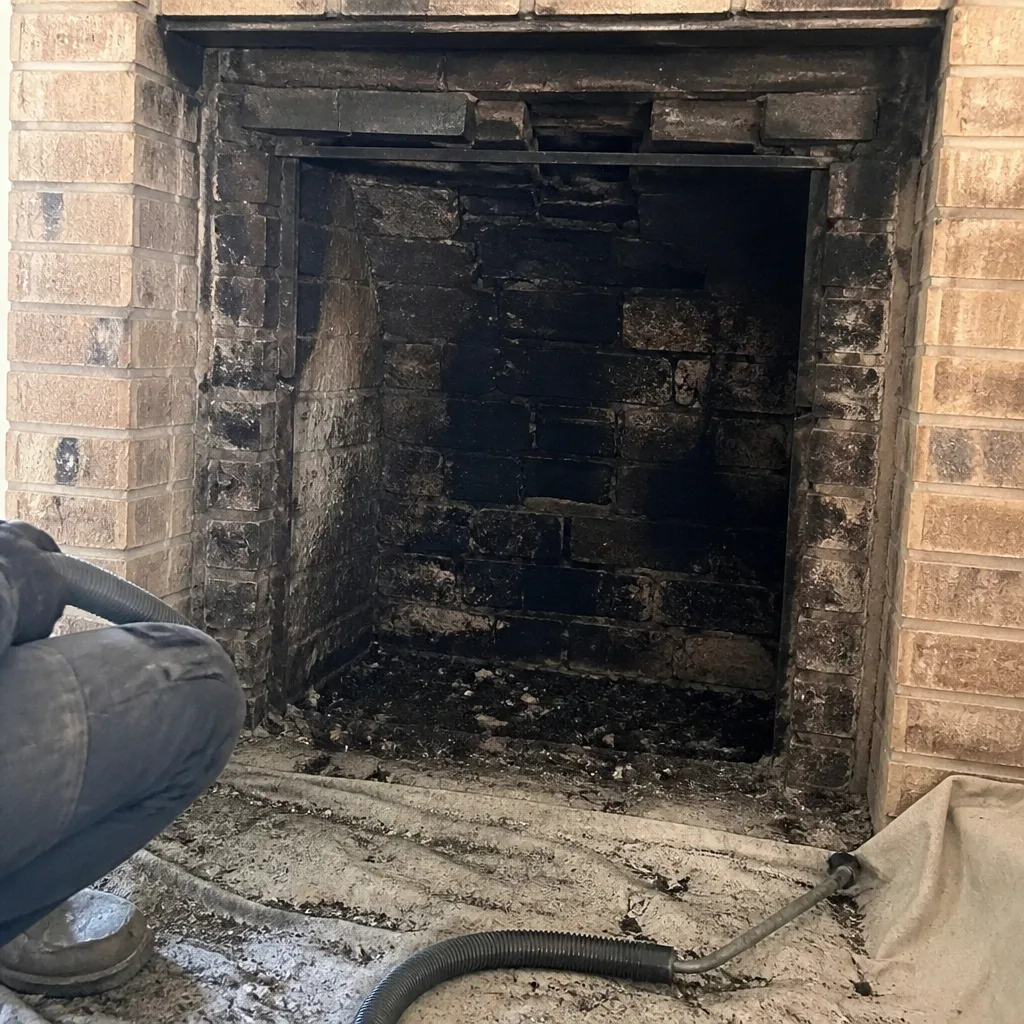 Before
 After
 Before
 After
When to Call a Professional
Call us if your fire smokes back into the room, if you hear roaring or crackling louder than the fire itself, if you smell a hot, acrid odor when the fireplace is running, or if you’ve had a chimney fire in the past and never had a Level 2 inspection. Call if your flue has visible creosote buildup at the damper, if your cap or crown is damaged or missing, or if it’s been more than a year since the last sweep. And call before the first fire of the season if you’re not certain about the condition of the system. Our technicians have up to 14 years of experience, and we handle sweeping, inspection, and repair as one practice, so the fix doesn’t depend on a second contractor. Edmond Chimney Sweep offers free estimates in Edmond. Call (844) 834-5906. We answer 24/7. Fast dispatch from 7am to 7pm, Sunday through Friday.
Frequently Asked Questions
Once per year of use, or whenever creosote reaches 1/8 inch of buildup, whichever comes first. Homes that burn heavily or burn unseasoned wood may need a mid-season sweep as well. The annual sweep is the floor, and it’s the single best preparedness step you can take. Call (844) 834-5906 for an exact quote – estimates are free.
Sometimes, but you can’t rely on it. The fire can look extinguished while damage continues inside the flue or the surrounding framing, and the structural risk is what makes re-entry dangerous. Treat every suspected chimney fire as active until the fire department confirms otherwise.
Not always, but you can’t know without a Level 2 inspection. A clay tile liner that survived the fire may still have hairline cracks or joint separation that only a camera scan reveals. If the liner is damaged, DuraFlex flexible liner systems or HeatShield resurfacing can restore the flue without full demolition. Call (844) 834-5906 to book the inspection.
On every level of the home, outside each sleeping area, and one in the room with the fireplace but placed a few feet away so normal firing doesn’t trigger a nuisance alarm. Test monthly and replace on schedule. Test detectors the same day you schedule your sweep.
Creosote builds up in layers, and once it reaches 1/8 inch, ignition risk rises sharply. It’s not a matter of if a hot fire will ignite it, but when. A skipped sweep is the most common root cause of a chimney fire. Call (844) 834-5906 before the season starts – estimates are free.
A Level 2 inspection includes a video scan of the flue interior, evaluation of the firebox, damper, cap, and crown, and documentation of the findings. The report is written to NFPA 211 inspection categories, so you can share it with an insurer or a home buyer. Call (844) 834-5906 to schedule.
The Bottom Line
Chimney fire preparedness in Edmond is mostly pre-season work. Sweep before the first burn, inspect alongside it so the flue, cap, and firebox are documented, test your detectors, check the damper, and know the first-five-minute protocol cold. If a fire happens, close the damper, evacuate, call 911, and don’t try to burn it out. Then no more fires until a Level 2 inspection clears the flue, because the damage a fire leaves behind is usually invisible without a camera. That’s the whole plan, and it’s the same plan we recommend to every Edmond homeowner we work with. Call (844) 834-5906 for a free estimate. We answer 24/7. Fast dispatch from 7am to 7pm, Sunday through Friday.
Written by the team at Edmond Chimney Sweep.