
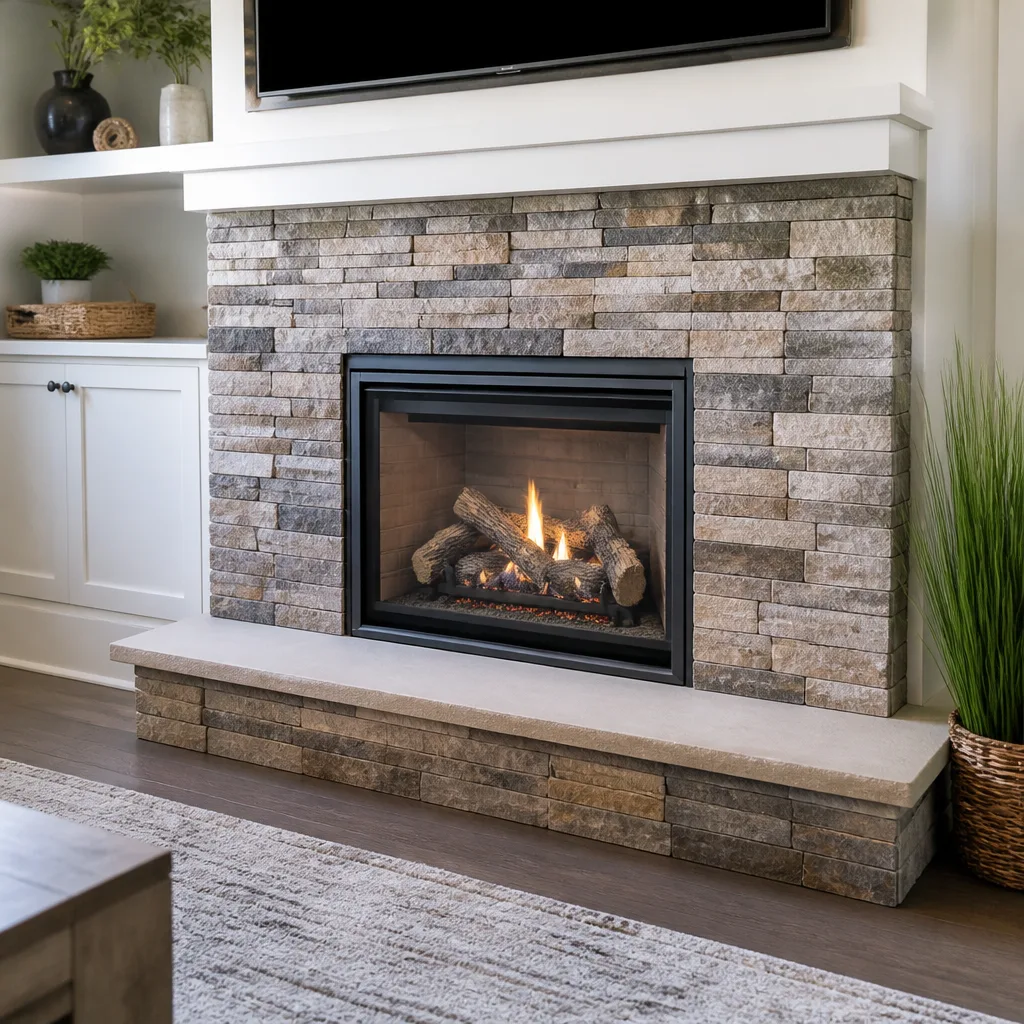
 Gas fireplace service
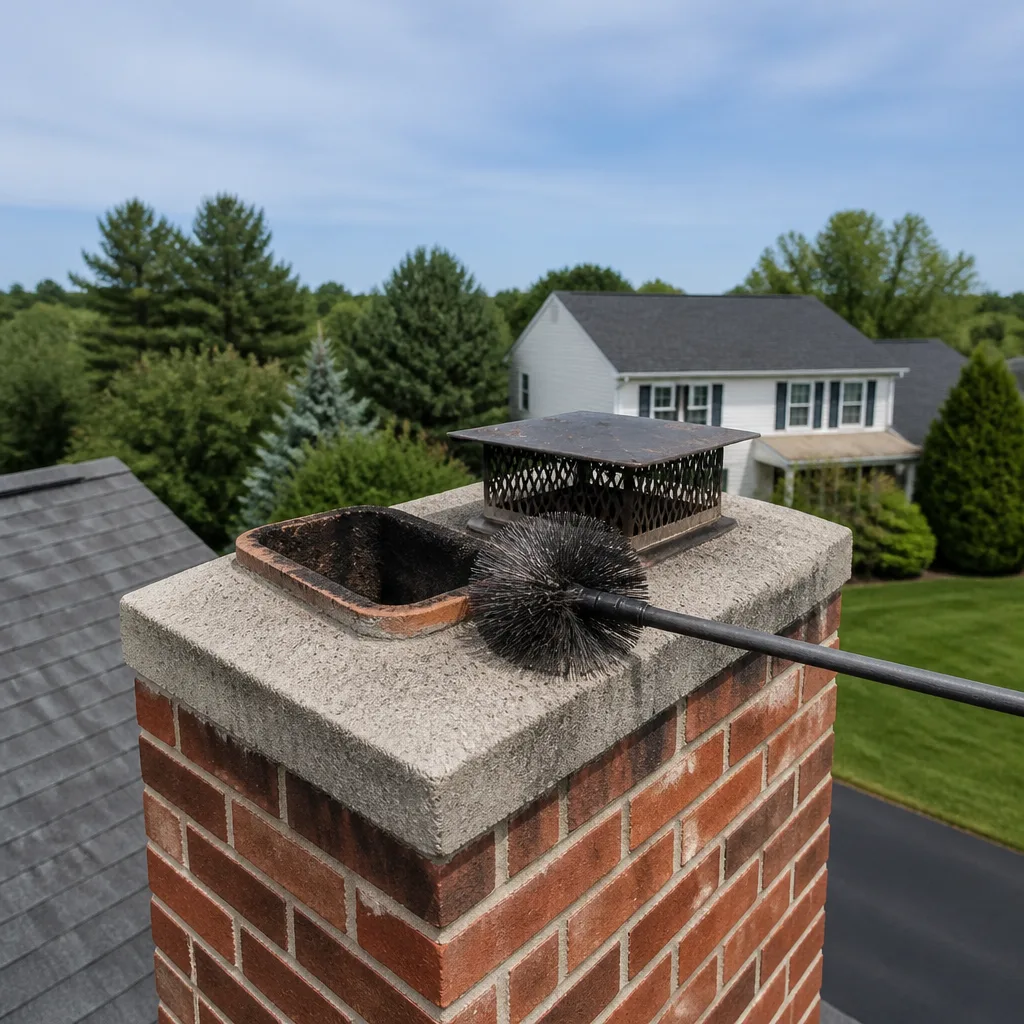 Sweep & inspection
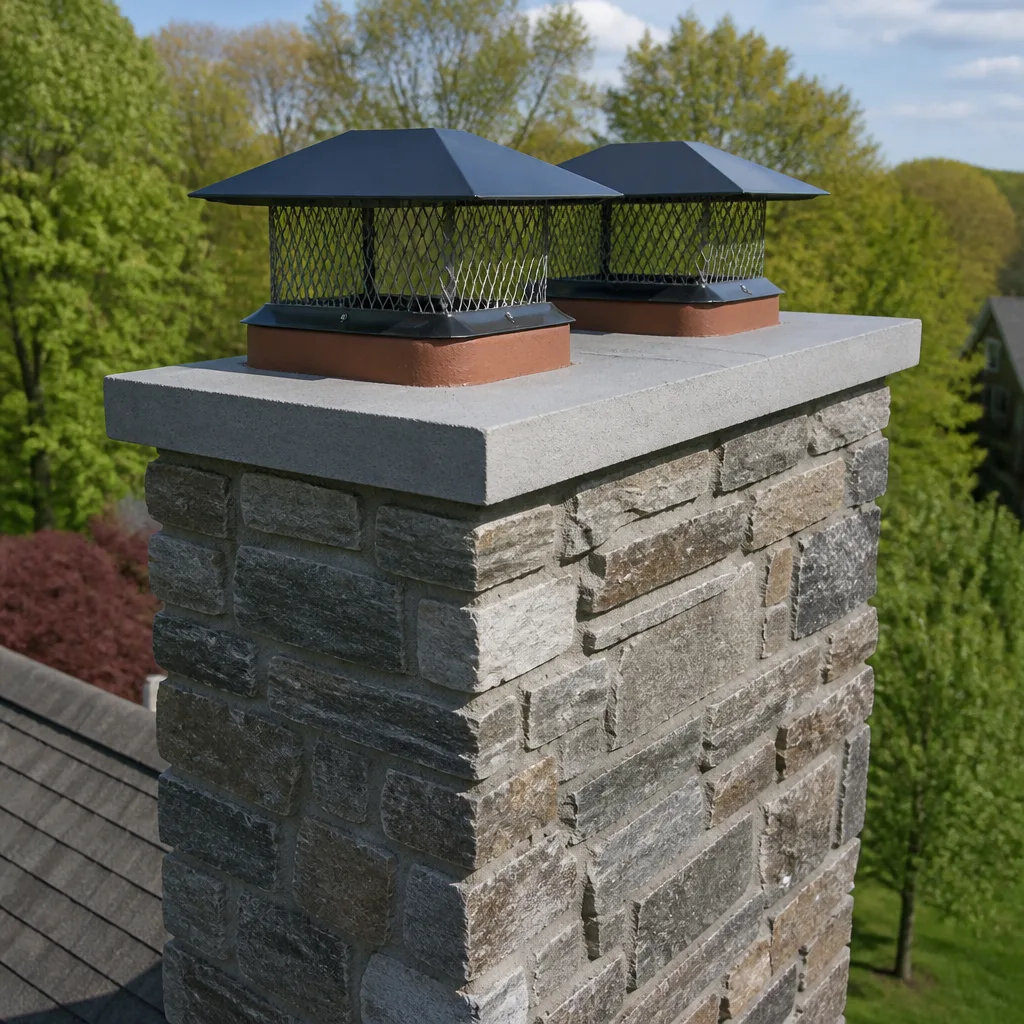 Caps & crowns
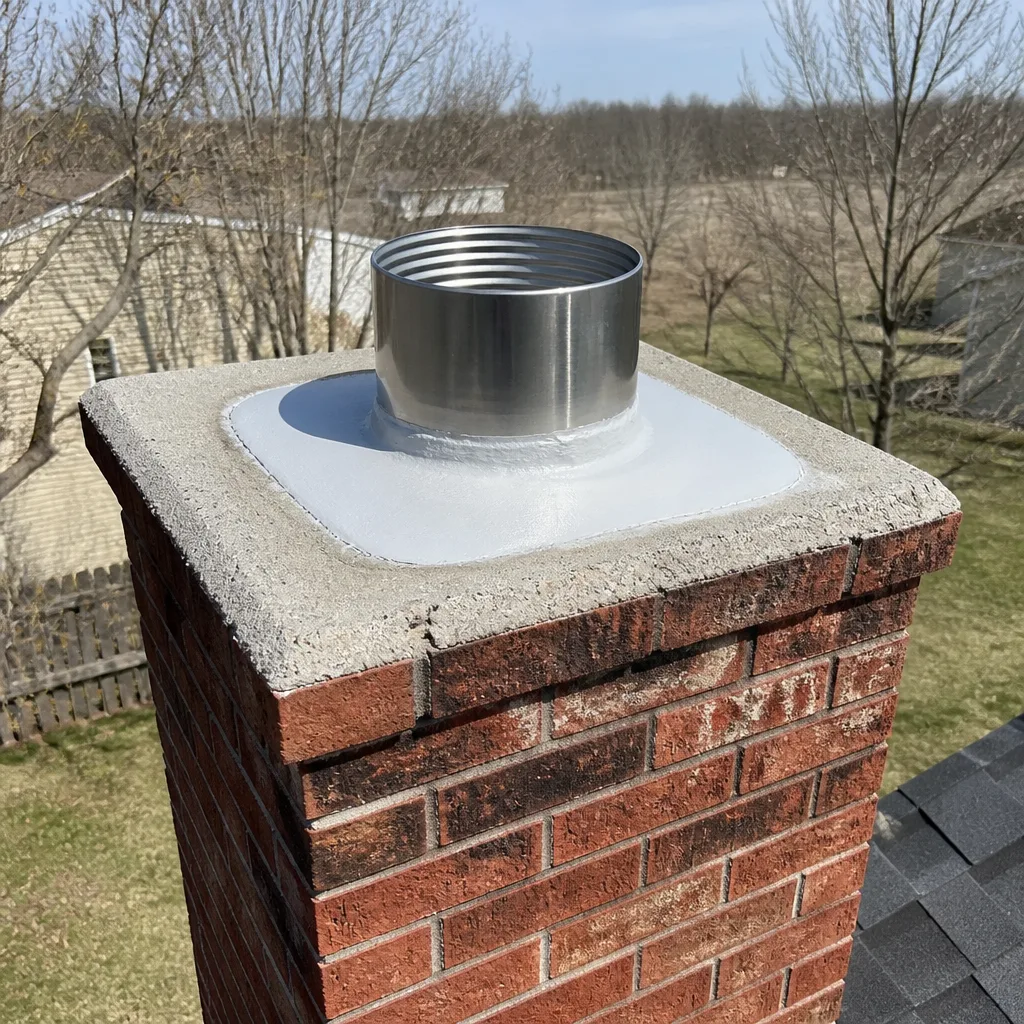 Flue relining
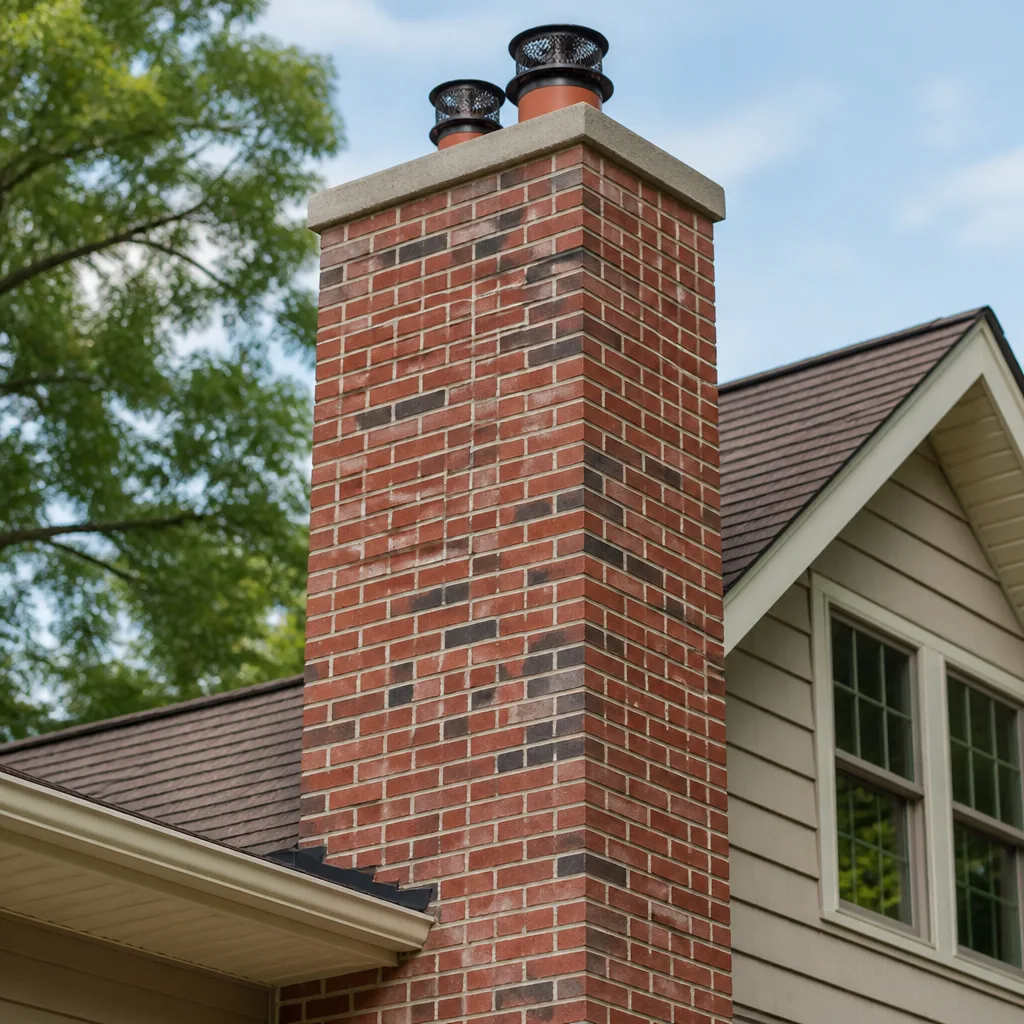 Masonry repair
Level 1 sweep and inspection to the NFPA 211 annual standard - flue, crown, cap, and flashing checked and photographed
Chimney sweep logs do not sweep chimneys. They loosen some creosote - which then falls where a brush and vacuum still have to collect it.
Why Edmond Homeowners Choose HeatShield Chimney Cleaning
We provide independent HeatShield chimney cleaning service in Edmond, and our work stands apart because our technicians have up to 14 years of experience reading cast-in-place liners from the flue side: they can tell healthy refractory from a mix that never cured right. HeatShield is a flue resurfacing product, and we sweep, inspect and repair chimneys lined with it across Edmond.
One thing to be clear about up front. We’re an independent HeatShield service provider. We aren’t affiliated with or authorized by HeatShield, and we don’t speak for the manufacturer. What we bring is trade-level familiarity with the product and a working relationship with professional-grade materials, so the diagnosis and the repair both come from the same place.
Edmond Chimney Sweep works on the whole system, not just the part you can see. Sweep, inspect, fix, done. That matters in a city where a lot of flues are lined and relined rather than laid up in brick.
Why Trust Edmond Chimney Sweep for Your HeatShield Chimney Cleaning?
Most sweeps in the Edmond area see HeatShield liners on a regular basis, and the ones who pay attention learn what a good pour looks like and what a poor one looks like. Our technicians fall in that camp. They know how a cast-in-place mix is formed, how the insulating material cures, and how a liner that’s undersized or separated at a joint shows up during a camera pass. That hands-on familiarity is what lets us diagnose HeatShield problems accurately instead of guessing.
When a part has to be replaced, we use quality parts that fit the existing HeatShield equipment and its dimensions and rating. Generic stainless caps and dampers that don’t match the cast liner’s profile are a false economy; they leak, they don’t seat, and they push water straight down the flue. We also work in a warranty-safe way. Nothing we do is designed to void a manufacturer warranty, and where a repair could affect coverage, we say so before the work starts rather than after.
Our scope is chimney sweeping, chimney inspection and chimney repair, all under one roof. If an issue turns up during a sweep, nobody has to hand you off to a second contractor. We carry the repair through.
Styles & brands we work with
- Sweep & inspection
- Caps & crowns
- Flue relining
- Masonry repair
- Gas fireplace service
Common HeatShield Chimney Cleaning Problems We Fix in Edmond
Edmond’s early-1980s and 1990s brick tract homes overwhelmingly run prefab factory-built fireplaces with short metal flues rather than masonry chimneys, and plenty of those short flues have been improved or relined with a cast-in-place system. Cleaning calls here are as much about inspecting the firebox, damper and termination cap as sweeping creosote. Many owners still burn hardwood cut from the surrounding Oklahoma County acreage, which loads a flue with more creosote than a gas insert ever would.
- Cracking and spalling in the cast-in-place liner. Thermal cycling is hard on refractory material. The liner heats fast in December and February, then cools hard overnight, and over seasons that movement opens hairline cracks. Owners usually spot it as small chunks of refractory material sitting in the firebox, or as crumbling at the flue top.
- Separation and gaps at liner joints. Cast-in-place systems have transitions, at the firebox and at offsets in the flue. When a section separates there, creosote and heat bypass the liner instead of staying inside it. This is the failure a camera inspection catches and a brush alone never will.
- Under-thickness or poorly cured mix. Some liners were poured thin or cured in conditions that left the material soft and crumbly. You end up with a flue whose effective diameter is smaller than it should be and walls that don’t hold up to brushing. Soft liner material tells us right away to slow down and use the right tools.
- Corroded or loose cap and multi-flue cap hardware. A loose cap is an open door for water. Edmond’s frequent ice storms and hard freezes crack prefab metal caps and ice-dam crowns, and spring hail adds to the damage. Water gets in at the top, soaks the liner head, and degrades it from the inside out.
- Glazed creosote above a damaged liner joint. When heat escapes through a gap, the creosote above it bakes into a glazed, tar-like layer that a standard sweep won’t move. That’s a different chemical and a different removal process, and it’s one of the reasons a Level 2 inspection comes before any cleaning on a HeatShield-lined flue.
The pattern repeats often enough that it’s worth spelling out generally. A homeowner with a HeatShield-lined flue tends to call after noticing crumbling refractory in the firebox or a draft that’s gotten worse over a season. A Level 2 inspection typically turns up cracking or separation at a liner joint, sometimes with glazed creosote built up above it. A qualified local sweep documents the liner condition with photos, removes the creosote, and explains plainly whether the liner can be patched or needs to be replaced. The crown and cap get checked at the same time, because water intrusion at the top is a common contributor to everything else.
HeatShield Parts & Our Repair-vs-Replace Approach
Parts decisions on a HeatShield-lined chimney come down to fit. We use HeatShield-compatible refractory materials and quality aftermarket stainless caps and dampers where they match the existing liner’s dimensions and rating. We aren’t a HeatShield dealer and we don’t claim to stock genuine factory parts. What we bring is a straightforward choice between products that actually match the cast liner’s profile and products that just look close enough. Close enough leaks.
Repair versus replace is a judgment we make from evidence, not from the invoice total. When a HeatShield liner has a small defect, patching is often the sensible move, and we’ll show you the camera footage so you can see exactly what we’re looking at. When a liner is cracked through or separated at a joint, though, patching stops being honest. A compromised liner is a reline conversation, and we say that plainly even when it’s the smaller job we’d rather not be having. Nothing gets recommended without camera evidence you can see for yourself, and if a repair can safely wait a season, we tell you that too.
Call (844) 834-5906 for an exact quote. The estimate is free, and the written estimate sets the final price.
Our HeatShield Service Process – Step by Step
- 1
Diagnosis. We start with a Level 2 inspection on any HeatShield-lined flue. That means a camera pass of the full liner, a look at the firebox transition and any offsets, and a close check of the crown, cap and multi-flue cap hardware at the top. We photograph what we find because you’re entitled to see it.
- 2
Cleaning and prep. Creosote comes out with the right tool for the stage it’s in. Standard soot and flaky creosote brush out normally; glazed deposits need a different approach, and soft or under-cured liner material needs a lighter touch. Getting this wrong damages the refractory surface, so it’s where experience matters.
- 3
Repair or install. Small defects get patched with HeatShield-compatible refractory material, cured to spec. Cracked crowns get rebuilt, and loose or corroded caps and multi-flue cap assemblies get replaced with stainless hardware that matches the flue dimensions. A liner that’s failed outright goes to a reline proposal with the evidence attached.
- 4
Test and document. We re-run the camera after the work and confirm draft and seal. You get the before-and-after record, which is the same documentation you can hand to an insurer or a home buyer, since our inspection work aligns with NFPA 211 inspection categories.
- 5
Warranty notes. If a part carries a manufacturer warranty, you leave knowing what it covers and what would void it. We don’t design repairs that put your coverage at risk.
See the difference
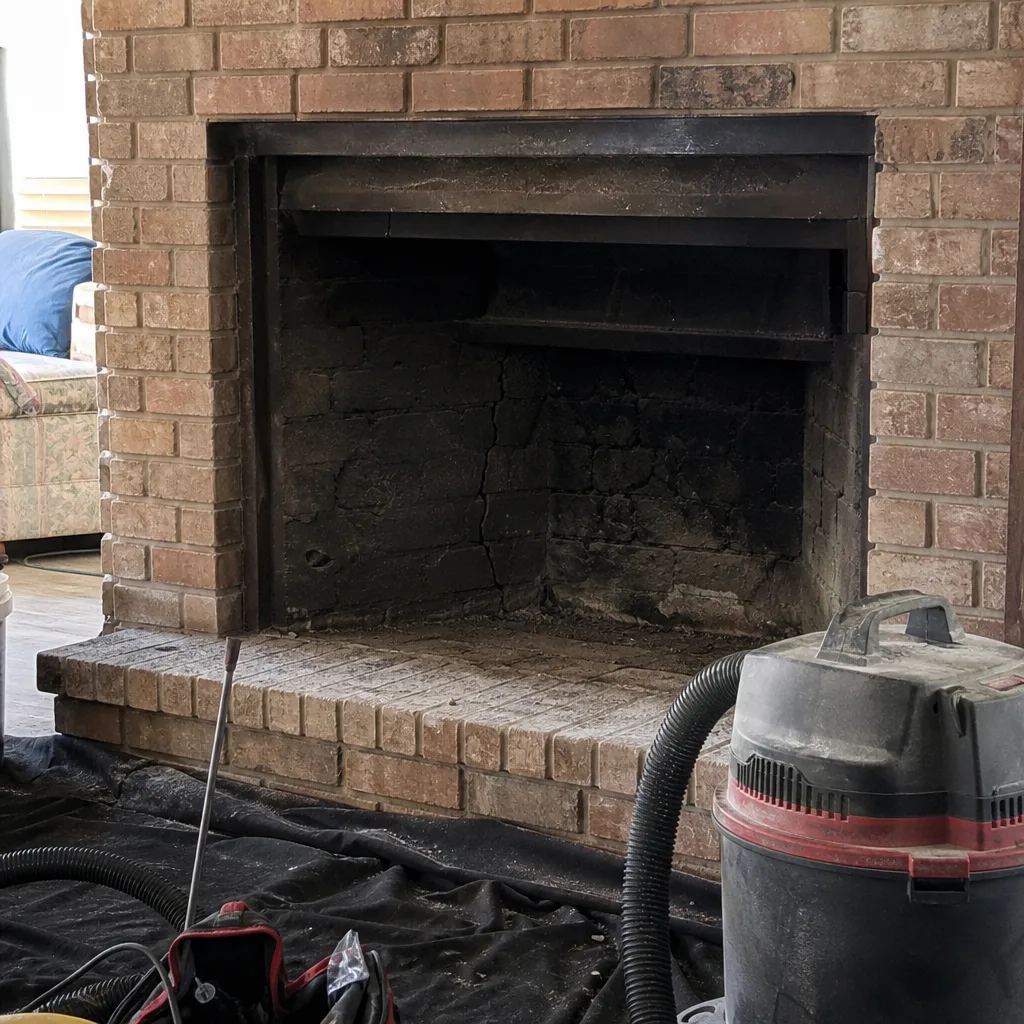 Before
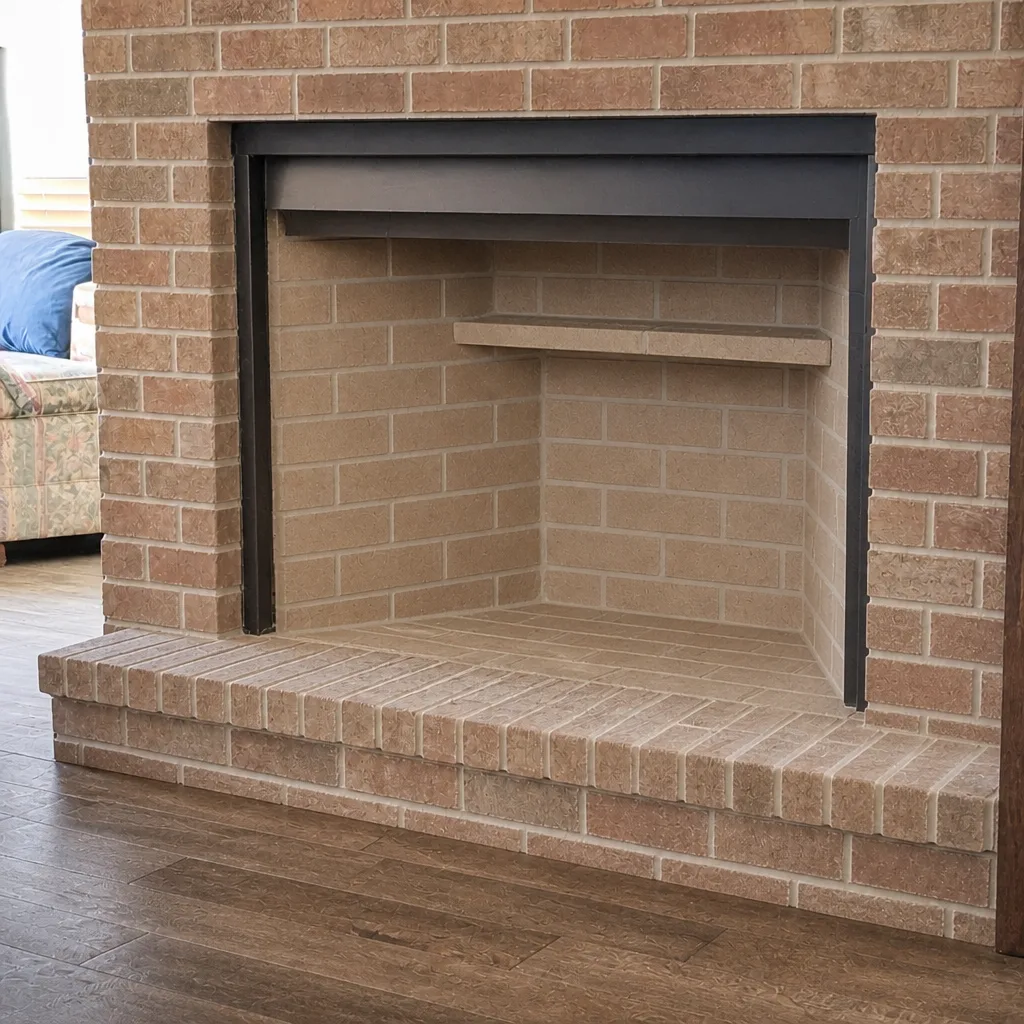 After
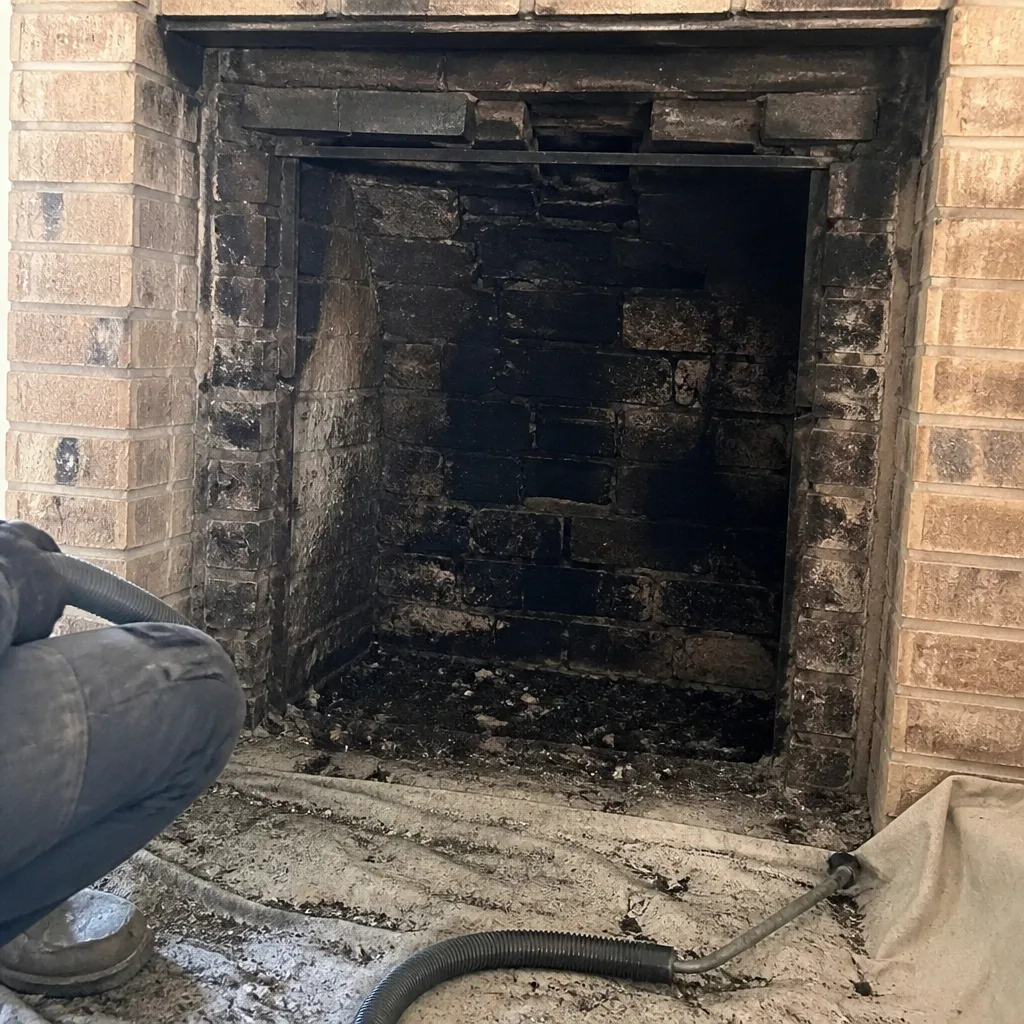 Before
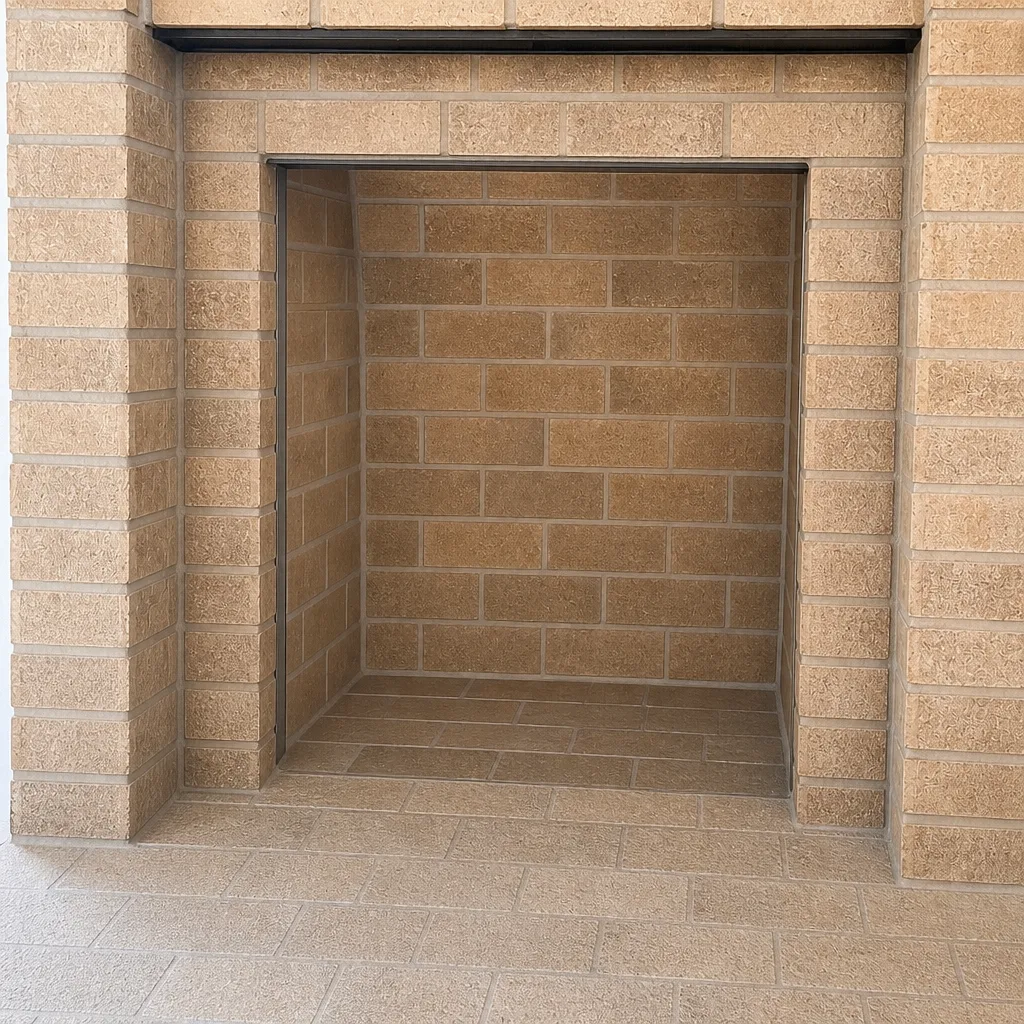 After
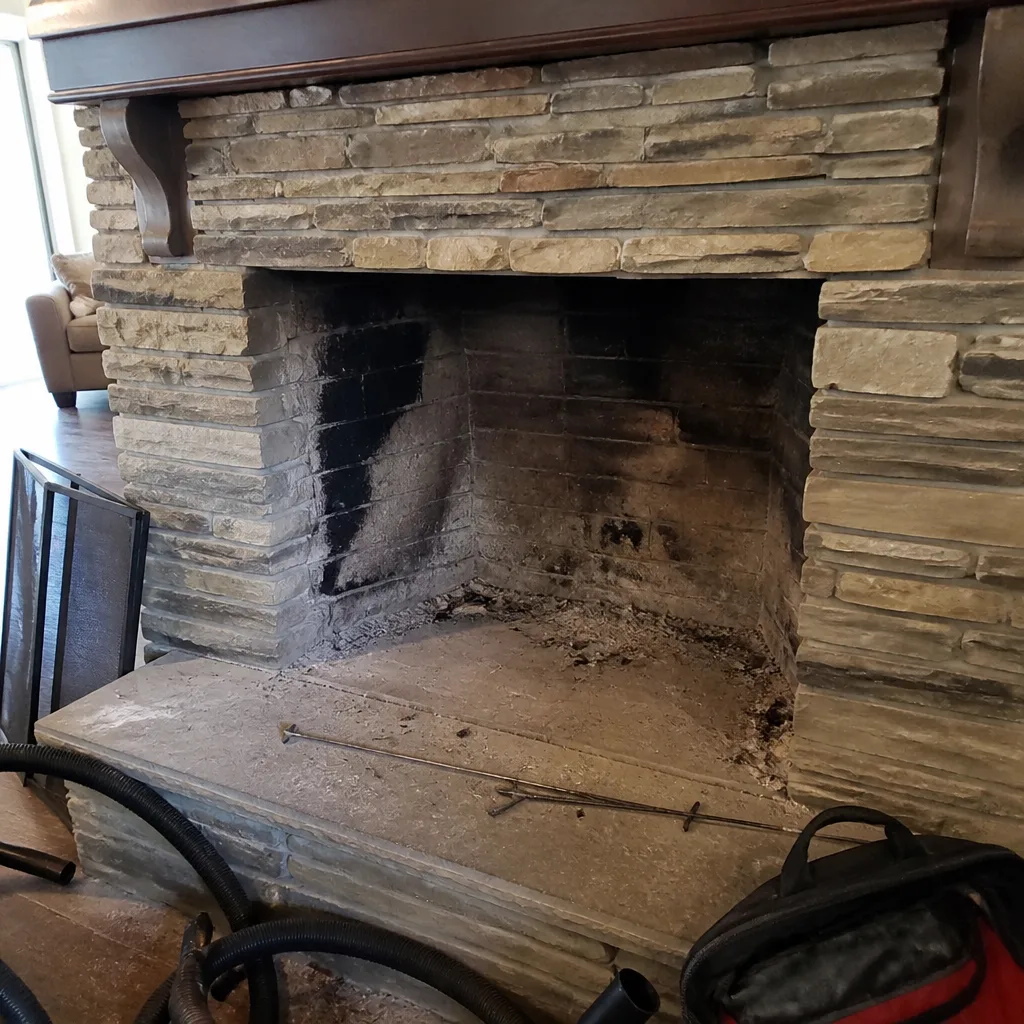 Before
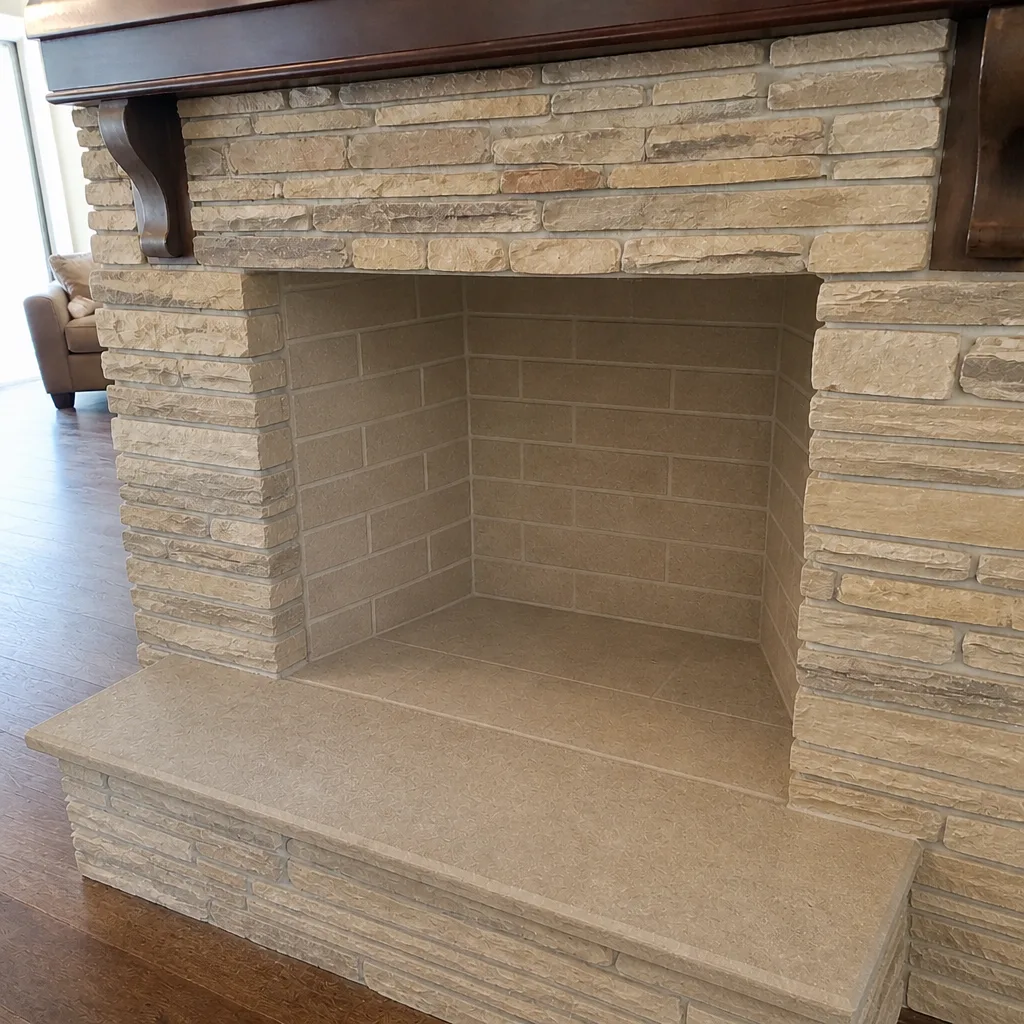 After
HeatShield Products We Service & Install in Edmond
We work with the HeatShield product types that show up in Edmond homes, and we service them rather than just sweeping around them.
- HeatShield cast-in-place insulating chimney liner systems, including diagnosis, cleaning and patch repair of the poured refractory mix
- HeatShield FireGuard and FireGuard+ liner systems for wood-burning appliances
- HeatShield custom stainless caps and multi-flue cap assemblies: fitting, replacing and resealing
- HeatShield refractory mortar and crown repair products, used on crowns and liner tops damaged by freeze-thaw and hail
Our technicians have up to 14 years of experience with this kind of work. We don’t claim to stock any of these products, and we’ll always tell you what a given job needs before it starts.
We Also Service These Brands
HeatShield is one part of what we handle. We also service DuraFlex flexible liner systems for flues that call for a different reline approach, and Gelco caps and covers for the hardware side of the chimney. That range matters when a diagnosis points somewhere other than the liner. We’re not tied to a single brand, so the recommendation follows the chimney’s condition.
FAQs – HeatShield Chimney Cleaning Service in Edmond
No. We’re an independent HeatShield service provider. We aren’t affiliated with, authorized by or endorsed by HeatShield, and we don’t present ourselves as factory-trained or certified by the manufacturer. Our expertise comes from hands-on work with cast-in-place liners across Edmond, not from a manufacturer relationship. We’re clear about that because you deserve to know who’s actually standing in front of your fireplace.
Yes. A cast-in-place liner is cleaned with tools matched to the refractory surface, not the same brush and technique you’d use on bare masonry. We run a camera pass first so we know the liner’s condition before anything touches it, then sweep with the material’s hardness in mind. If the mix is soft or under-cured, we adjust the approach so the cleaning doesn’t take liner material with it. Call (844) 834-5906 to get on the schedule.
Chunks of refractory material in the firebox, crumbling at the flue top, a draft that’s gotten worse over a season, or staining where the liner meets the firebox all point to liner damage rather than ordinary soot. Dirty just means buildup. Crumbling means material is leaving the liner. A camera inspection tells the two apart in minutes, and we show you the footage. Call (844) 834-5906 for an exact quote. Estimates are free.
Yes, in two ways. The refractory surface is softer than masonry, so standard brushing pressure can abrade it. And because liner joints and offsets can separate, glazed creosote sometimes sits above a gap where a brush won’t reach it. We identify the creosote stage and the liner condition first, then choose the removal method. It’s a slower process than a straight flue sweep, and that’s the point.
The crown work is similar, but the stakes are higher. Edmond’s freeze-thaw swings, ice storms and spring hail crack crowns and prefab metal caps, and water that gets in at the top spalls the liner head from the inside. On a HeatShield chimney, the crown and cap check isn’t optional housekeeping; it’s the leading cause of liner-top damage we see. We rebuild crowns with HeatShield refractory mortar and crown repair materials and replace compromised caps with stainless hardware that fits. Call (844) 834-5906 to have yours looked at.
It includes a full camera inspection of the liner from top to firebox, a close look at every joint and offset, a check of the firebox-to-liner transition, and an examination of the crown, cap and multi-flue cap assembly. We photograph what we find and document the liner’s condition against NFPA 211 inspection categories, so you have a record you can share with an insurer or a buyer. Nothing gets recommended without that evidence in hand.
A cleaning and Level 2 inspection on a HeatShield-lined flue usually takes a couple of hours, longer if glazed creosote has to come out. Patch repairs and crown work add time, and a reline is a separate project. We give you a realistic window when we book the job rather than a number designed to get the call. Call (844) 834-5906 for an exact quote. Estimates are free.
Proper service shouldn’t void it, and we work in a warranty-safe way. That means HeatShield-compatible refractory materials on patches, parts that match the liner’s dimensions and rating, and curing done to spec. We’ll tell you before the work starts if anything we’re proposing could affect coverage. We aren’t the manufacturer and can’t speak to their warranty terms; we can make sure our work doesn’t create a problem.
Cost depends on creosote volume, liner condition and whether the crown or cap needs work, so it’s priced per job by a written estimate rather than a flat coupon rate. We don’t quote a number before we’ve seen the flue, because a HeatShield liner can look fine from the firebox and be separated three feet up. The estimate is free and the written estimate sets the final price. Call (844) 834-5906 for an exact quote.
Book Your HeatShield Service in Edmond, OK
A clean chimney is the starting point. A safe chimney is the goal. If your home has a HeatShield liner and it’s been a season or more since anyone looked at it, get it on the schedule before the cold sets in. Call (844) 834-5906. We answer 24/7. Fast dispatch from 7am to 7pm, Sunday through Friday. Estimates are free, and the written estimate sets the final price.
Written by the team at Edmond Chimney Sweep.