
Last updated November 16, 2026
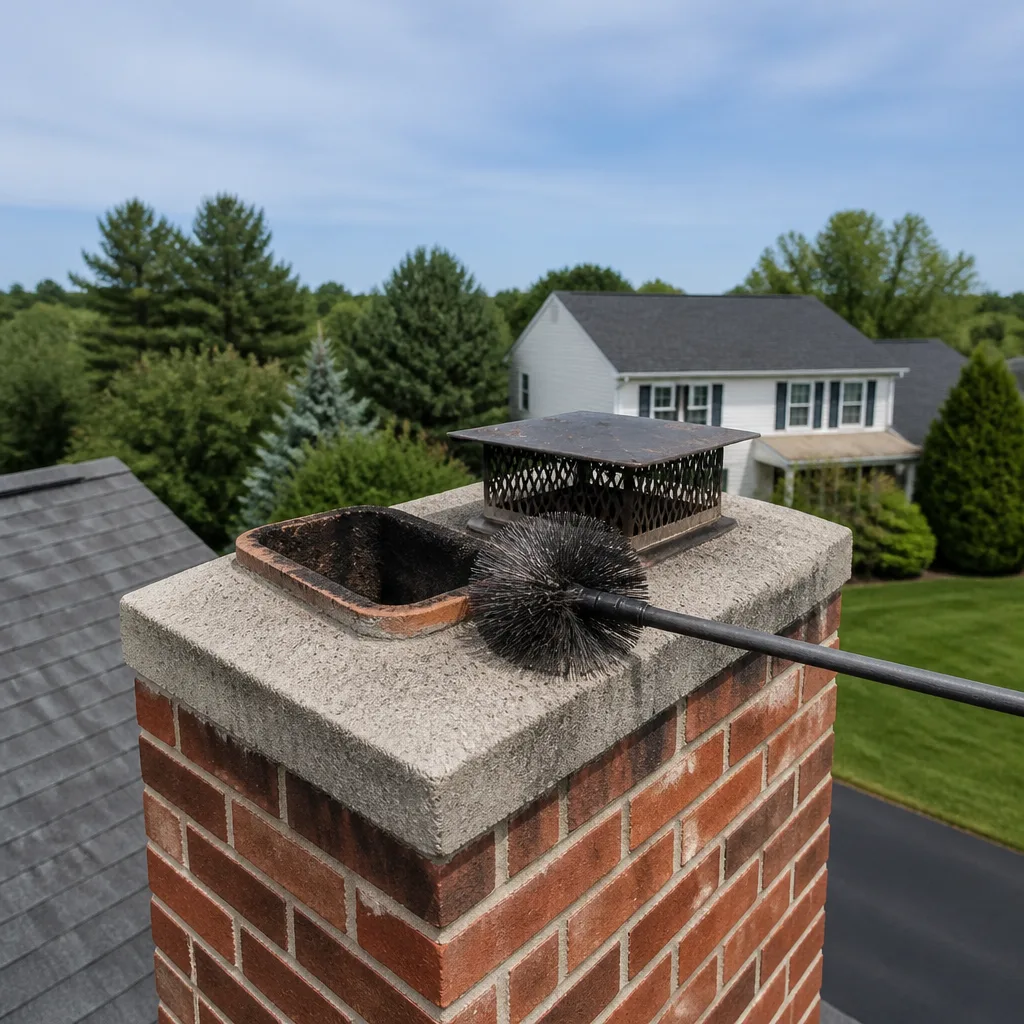 Sweep & inspection
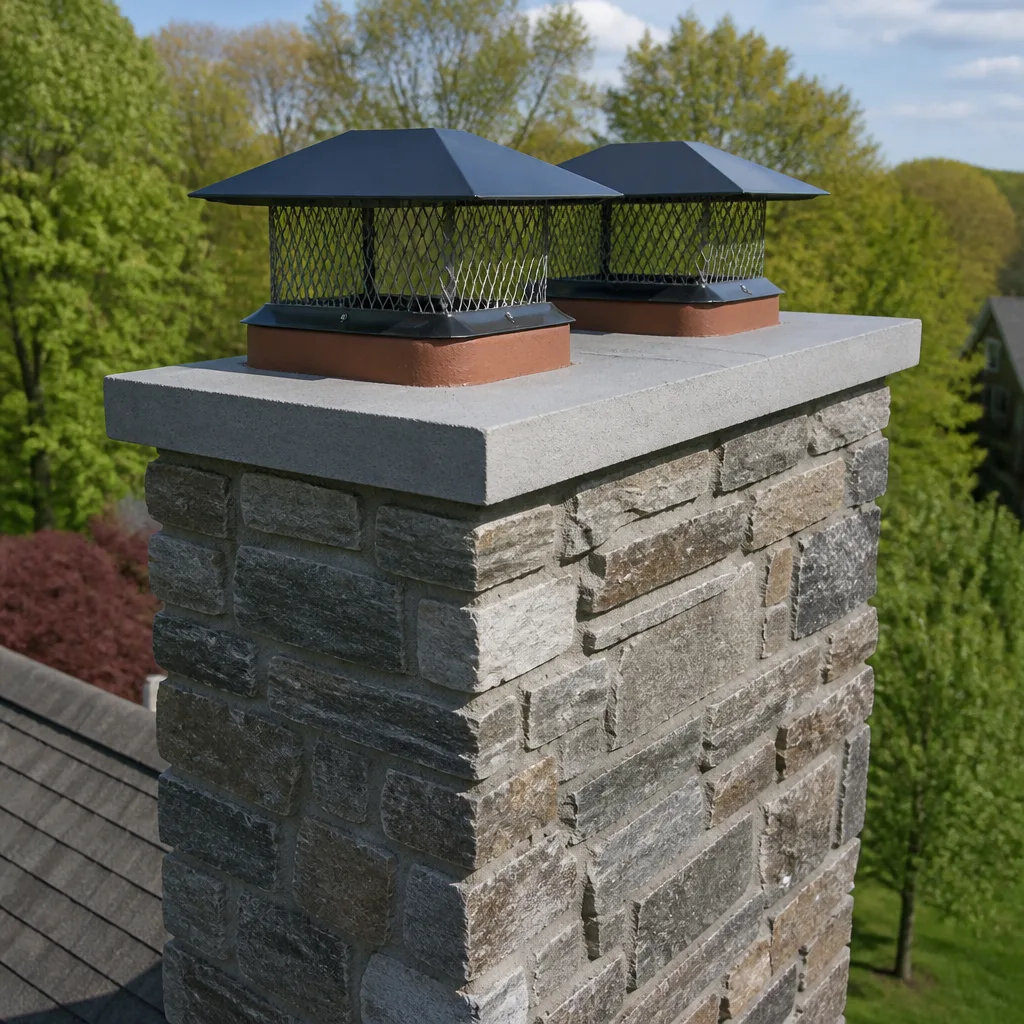 Caps & crowns
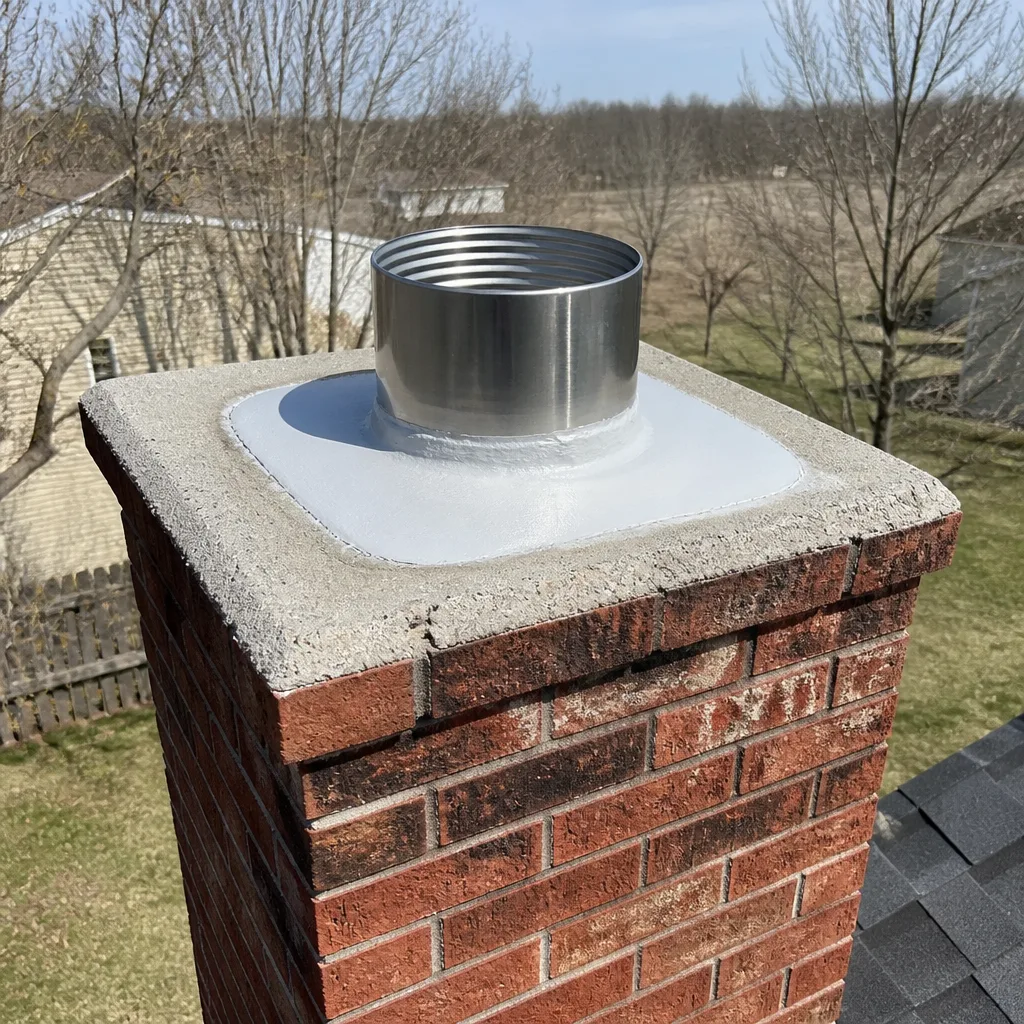 Flue relining
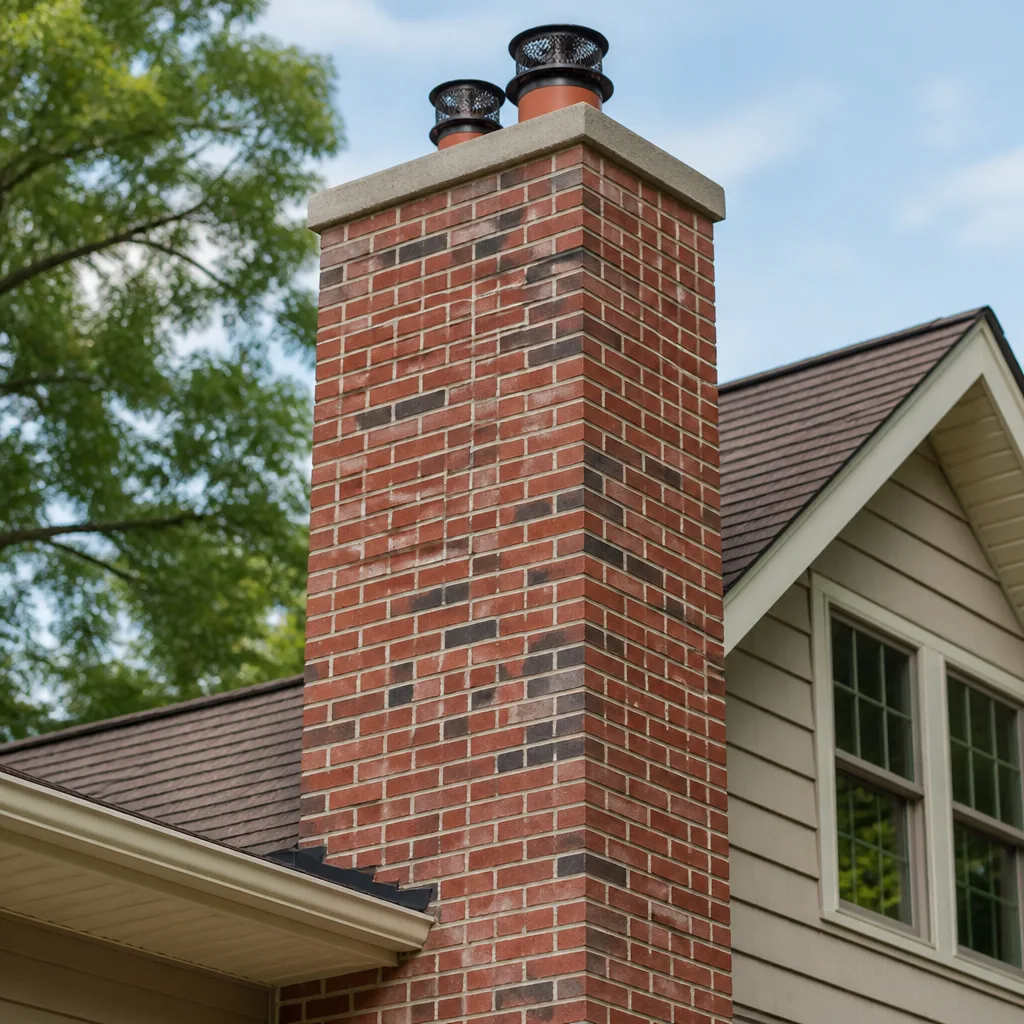 Masonry repair
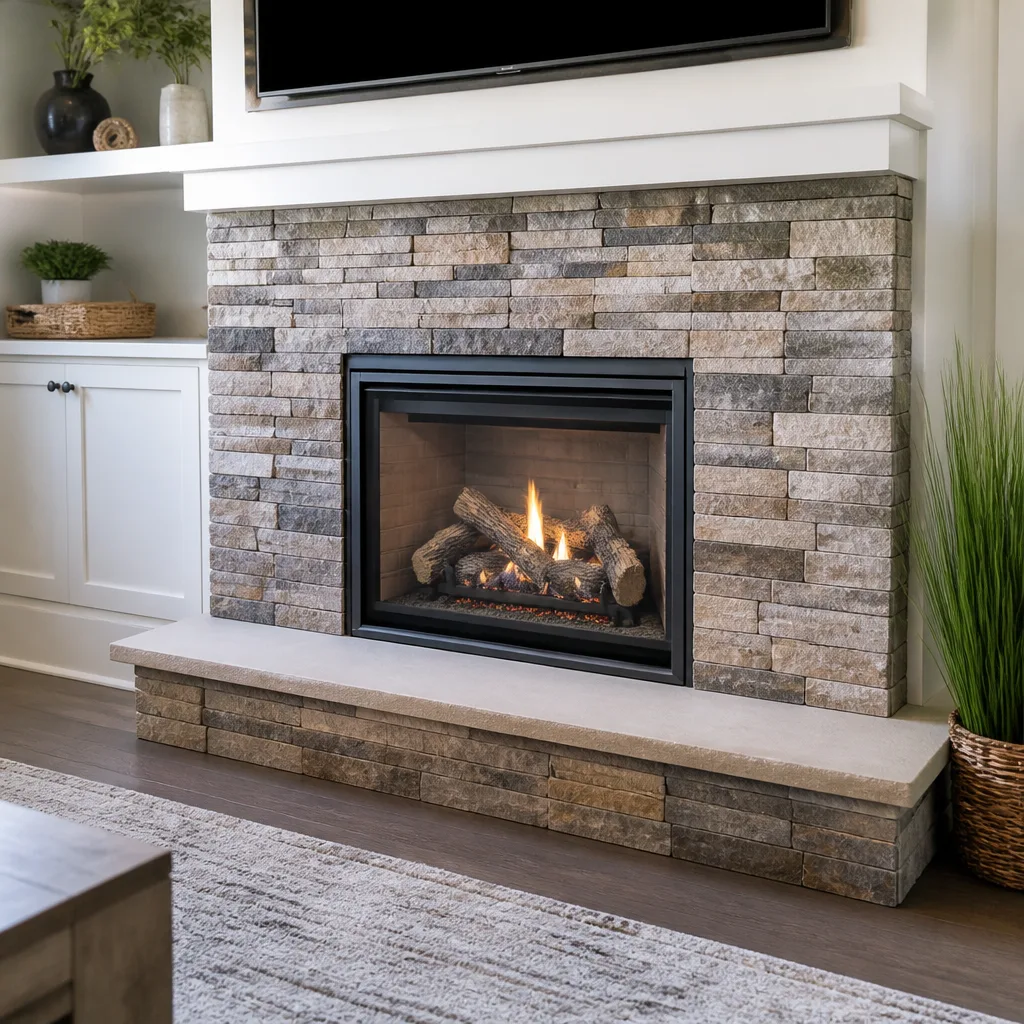 Gas fireplace service
Level 1 sweep and inspection to the NFPA 211 annual standard - flue, crown, cap, and flashing checked and photographed
Chimney sweep logs do not sweep chimneys. They loosen some creosote - which then falls where a brush and vacuum still have to collect it.
How to Hire a Chimney Cleaning Contractor in Edmond: A Step-by-Step Guide
Search for a chimney cleaning contractor in Edmond and you’ll get a strange mix. HVAC companies, handymen, pressure washers, and a few genuine chimney specialists all appear on the same results page, and their websites are often nearly identical. Scheduling a visit doesn’t tell you much either, because the real differences show up once someone is already in your home and standing in front of your firebox. This guide gives you the questions, the scope checks, and the estimate-reading skills to tell a chimney specialist from a generalist before you book, so the person who shows up is the person qualified to do the whole job.
Quick Answer
To hire a chimney cleaning contractor in Edmond, verify credentials that actually mean something (CSIA certification is the recognized floor, not the ceiling), confirm the company cleans the full system rather than just the flue, asks whether they camera-inspect the liner, and carries verifiable liability and workers’ compensation insurance. Then read the estimate for vague line items before you agree to the work. Oklahoma has no universal statewide chimney licensing, which means due diligence is on you, not the state.
Styles & brands we work with
- Sweep & inspection
- Caps & crowns
- Flue relining
- Masonry repair
- Gas fireplace service
Table of Contents
- Why Edmond Homeowners Can’t Rely on a State License
- What CSIA Certification Actually Proves
- The Scope Questions to Ask Before You Book
- Why the Lowest Bid Usually Means Skipped Work
- How to Read a Chimney Service Estimate
- Oklahoma Insurance: What to Verify Before Work Starts
- What a Proper Sweep and Inspection Day Looks Like
- Common Mistakes to Avoid
- When to Call a Professional
- Frequently Asked Questions
Why Edmond Homeowners Can’t Rely on a State License
Oklahoma does not issue a universal statewide license for chimney sweeping or chimney repair, so a contractor who says “I’m licensed” may be referring to a general contractor designation that has little to do with chimney work. That single fact reshapes the hiring conversation. You aren’t vetting a licensed trade in the way you’d vet an electrician or plumber; you’re vetting credentials that are voluntary, which means you need to know what those credentials represent and how to verify them yourself.
The practical upshot for anyone in Edmond is that the burden of due diligence lands on the homeowner. A contractor cannot point to a state license number as shorthand for competence, because no such license exists for this specific work. What actually signals competence is membership in a recognized industry body, documented training, verifiable insurance, and a track record of doing the full job rather than a cheap sweep and a fast exit.
This is also where the market in Edmond gets confusing. The metro has plenty of generalists who will run a brush up a flue for a low price. Some of them do honest, careful work. Many don’t have the equipment or training to inspect a liner, evaluate a smoke chamber, or recognize the difference between a minor creosote glaze and a dangerous deposit. Because nobody’s checking, the burden is on you to ask.
- No statewide chimney license: “licensed” is not a safeguard here, so ask what the license actually covers.
- Certification is voluntary: a certified contractor chose to be tested, which is a real signal.
- Insurance is the firm safeguard: what protects your home is liability and workers’ comp coverage, and you can verify both.
- Specialist vs. generalist: the difference only shows after the visit, so probe before you book.
When you’re ready to compare a local specialist against a generalist, you can start with Edmond Chimney Sweep as a benchmark for what a full-scope provider looks like.
What CSIA Certification Actually Proves
CSIA certification (from the Chimney Safety Institute of America) is the credentialing floor in this trade, not the ceiling. It requires passing a standardized exam, maintaining continuing education, and agreeing to a code of ethics. It tells you a technician has been tested on chimney fundamentals and stays current. What it doesn’t tell you is how many years the company has been doing the work, what equipment they carry, whether they inspect with a camera, or whether they can repair what they find. Those are separate questions, and a certified sweep isn’t automatically a certified repair specialist.
That gap is exactly where hiring decisions get made. A contractor can hold a sweeping certification and still hand off every repair to a third party. When that happens, you end up managing two contractors, two schedules, and two sets of opinions about what needs fixing. For a homeowner in Edmond who wants one accountable specialist, the useful question isn’t just “are you certified?” It’s “what can you do beyond sweeping, and who does the work when you find a defect?”
Questions to ask beyond “are you certified?”
- What certification does each technician on the job hold, and can you show documentation?
- Do you clean the smoke chamber and firebox, or just the flue?
- Do you inspect the liner with a camera, and do I get to see the footage?
- When you find a defect, do you repair it in-house, or do I need a second contractor?
- What professional-grade materials do you work with, and are they manufacturer-backed?
- Can you walk me through the last inspection report you wrote for a homeowner?
A real specialist can answer these without hesitation. A generalist will usually start hedging around question three or four. Our technicians have up to 14 years of experience, and that experience lives in the answers to exactly these questions.
The Scope Questions to Ask Before You Book
The single best predictor of quality in chimney work is scope, meaning exactly how much of the system the contractor is willing to touch. A sweep that cleans only the flue is a partial job. A proper service cleans the flue, the smoke chamber, the smoke shelf, the damper area, and the firebox, and it inspects the parts you can’t see. The scope questions below are the ones that separate the two, and you can ask them in a two-minute phone call before you commit to anything.
Do they camera-inspect the liner?
Camera inspection is the difference between guessing and knowing. A liner can crack, flake, or separate at a joint in a place the eye can’t reach, and a video inspection shows exactly where the problem is. Ask whether the technician uses a camera, and whether you’ll be shown the footage or photos afterward. A contractor who inspects by eye alone is doing a visual check, which is useful but limited.
Do they clean the smoke chamber?
The smoke chamber sits above the damper and is often deliberately skipped in cheap sweeps because it’s awkward to reach and requires specific tools. Creosote collects there and can ignite. If the chamber isn’t cleaned, the job isn’t done, and the flue being clean doesn’t change that.
What happens when they find a problem?
This is the question most homeowners forget, and it matters most. Ask upfront: if the inspection finds a cracked liner or a failing crown, can the company handle the repair, or will they refer it out? A full-scope specialist works with professional-grade repair materials such as DuraFlex flexible liner systems and HeatShield resurfacing compounds, and can carry the repair through without a second contractor. A sweep-only outfit will hand you a business card for a mason you’ve never heard of.
- Cleans the full flue and smoke chamber and firebox
- Performs a camera inspection of the liner, with images you can see
- Provides a written inspection report aligned with recognized inspection categories
- Handles repairs in-house with manufacturer-backed materials
- Documents findings so you can share them with an insurer or a home buyer
Why the Lowest Bid Usually Means Skipped Work
In chimney work, the lowest bid almost always signals work that will be skipped, not a better deal. The economics are simple: a below-market sweep price leaves no room for the time and equipment that thorough service requires, so something gets cut. Usually it’s the parts of the job you can’t see from the living room. When a company competes on price, the invisible steps are the first to go.
Here’s what actually gets skipped, and why each one matters:
- The smoke chamber: hard to reach, so it’s the first thing dropped. It’s also one of the highest fire-risk zones in the system.
- Camera inspection: equipment and time cost money. Without it, a cracked liner can go unnoticed for months.
- The firebox and damper: often left uncleaned when the flue is the only target.
- A written report: skipped because it takes time and creates a document the contractor is accountable for.
- Repair qualification: a sweep-only company can’t fix anything, so problems become recommendations rather than repairs.
That last point is where low bids get expensive later. A cheap sweep that flags a problem sends you shopping for a repair contractor, and you’re back at the start of this whole process, guessing again. A full-scope specialist connects the sweep and the repair, so the information from the inspection flows directly into the fix. There’s real value in one relationship: fewer opinions, one schedule, and a single contractor accountable for both cleaning and repair.
For homeowners who’ve just been told they need a new liner or significant masonry work, the honest specialist question is whether that’s actually true. Many repairs genuinely can’t wait. Some can. Our position is straightforward: nothing gets recommended without camera evidence you can see with your own eyes, and if a repair can safely wait, we’ll say so. That’s the standard you should expect from anyone you hire in Edmond.
How to Read a Chimney Service Estimate
A chimney estimate should tell you exactly what’s being done, with what materials, and at what price, in language you can verify. Vague line items are how contractors leave room to charge more later or explain away incomplete work. The good news is that vague estimates are easy to spot once you know what to look for.
What a clear estimate includes
- Itemized scope: each part of the system named separately, flue, smoke chamber, firebox, damper.
- Inspection type: whether camera inspection is included and what level of inspection is being performed.
- Materials by name: if a repair is proposed, the products are named, such as DuraFlex or HeatShield, not generically described as “a liner.”
- Fixed prices per line: no “TBD” and no hourly guesswork on a defined job.
- Written report: stated as part of the service rather than offered as an extra.
- A total that matches the line items: the sum should add up, and the written estimate is what sets the final price.
Red flags that let a contractor charge more later
- Line items like “additional work as needed” with no scope or price.
- An estimate that names no specific materials.
- A quote that prices a sweep without stating what it cleans.
- Language that reserves the right to revise the price once work starts.
- No written report promised, which makes it hard to document what was found.
When you read an estimate, ask yourself one question about every line: if this work were done and I never saw it, would I be able to tell from this document? If the answer is no, the estimate is too vague. For a closer look at how repair line items typically break down, our chimney repair page walks through the common categories.
Oklahoma Insurance: What to Verify Before Work Starts
Before any contractor steps onto your roof in Edmond, verify two kinds of insurance: general liability and workers’ compensation. General liability covers damage to your home if something goes wrong. Workers’ compensation covers an injury to the technician while they’re working, and without it, an injury that happens on your property can become your problem. In a state with no universal chimney licensing, insurance is the most concrete protection you have.
Verifying it is simpler than most homeowners expect. You don’t need a lawyer; you need a certificate.
How to verify coverage in three steps
- Ask for a certificate of insurance before the job. It should name the company, the coverage types, and the policy dates. A legitimate contractor provides this without friction.
- Check that both coverages are listed. General liability alone isn’t enough. Look specifically for workers’ compensation.
- Confirm the policy is current. The certificate should be for the coverage period that includes your service date, not an expired copy from last year.
A few more things worth confirming. Ask whether the technician working on your roof is an employee or a subcontractor, because the answer affects which insurance applies. A specialist with in-house scope and its own people is easier to hold accountable than a company that subcontracts. And remember that insurance isn’t a substitute for care; a well-run contractor will also use proper fall protection on your roof. Height work carries real risk, and a crew that doesn’t take it seriously is telling you something.
Once coverage checks out and the estimate is clear, book the job. You’ll find more detail on how a full service visit runs on our chimney sweep page.
What a Proper Sweep and Inspection Day Looks Like
A proper chimney service in Edmond follows a predictable sequence, and knowing it lets you judge the job as it happens. The visit starts with setup, covers the full system in a defined order, and ends with documentation. If any of those stages is missing, you’re paying for less than a full service.
- Setup and protection. Drop cloths go down and the work area is protected before anything is touched.
- Visual inspection of accessible components. The technician checks the exterior, crown, cap, and firebox before cleaning.
- Cleaning the flue. Proper brushes and rods clear soot and creosote from the flue.
- Cleaning the smoke chamber, smoke shelf, damper, and firebox. This is the step cheap sweeps skip.
- Camera inspection of the liner. Video footage reveals cracks, gaps, and joint failures that visual inspection can’t reach.
- Assessment of the crown, cap, and flashing. The parts that keep water and animals out get checked for wear.
- Written report and walkthrough. Findings are documented and explained, and you get a chance to ask questions.
A note on safety here, and we mean this as a professional duty rather than a sales line. Creosote in a flue is genuinely combustible, and a chimney fire can smolder in a liner without a homeowner ever noticing. Carbon monoxide from a blocked or damaged flue is a real hazard. That’s why cleaning and inspection belong together: the clean flue is the starting point, and the inspection is what tells you whether the system is actually safe. If a contractor offers a sweep with no inspection, they’re doing half the job and giving you half the assurance.
It’s also why repair qualifications matter so much. A technician who can only sweep will spot problems and recommend a second call. A full-scope specialist carries the repair through, using professional-grade materials from manufacturers such as Gelco and Famco for caps, covers, and venting, rather than whatever’s available at the hardware store. When a problem is found, it gets resolved in the same relationship.
Common Mistakes to Avoid
- Treating “licensed” as the whole check. Oklahoma doesn’t license chimney work statewide, so confirm what the license actually covers before you take it as proof of competence.
- Booking on price alone. The lowest bid in Edmond usually means a flue-only sweep, no camera inspection, and a problem handed off to a second contractor. Pay for the full job or expect half of one.
- Skipping the smoke chamber. A sweep that cleans only the flue leaves a high-risk creosote zone untouched. Ask specifically what gets cleaned.
- Not asking for the camera footage. If you weren’t shown images of your liner, you have no way to verify what was found or what was recommended.
- Accepting a vague estimate. Line items without scope or materials leave room for charges later. Insist on specifics before work begins.
- Forgetting to verify insurance. Ask for a current certificate of insurance showing liability and workers’ compensation before anyone goes on your roof.
- Ignoring the exterior. In Edmond, the crown, cap, and flashing take weather year-round. A contractor who never looks at them is missing half the system.
When to Call a Professional
Call a professional when you notice smoke backing into the room during a fire, a strong creosote smell that lingers after the fire is out, or a visible crack or gap in the flue, firebox, or chimney crown. Call if the damper no longer opens or closes smoothly, if the cap is damaged or missing, or if you’ve never had the system inspected and you burn wood regularly. Also call before selling a house or if your insurer asks for documentation, since an inspection report gives you written evidence you can share. If you burn wood and can’t remember the last sweep, that’s reason enough on its own. Edmond Chimney Sweep offers free estimates in Edmond; call (844) 834-5906. We answer 24/7. Fast dispatch from 7am to 7pm, Sunday through Friday.
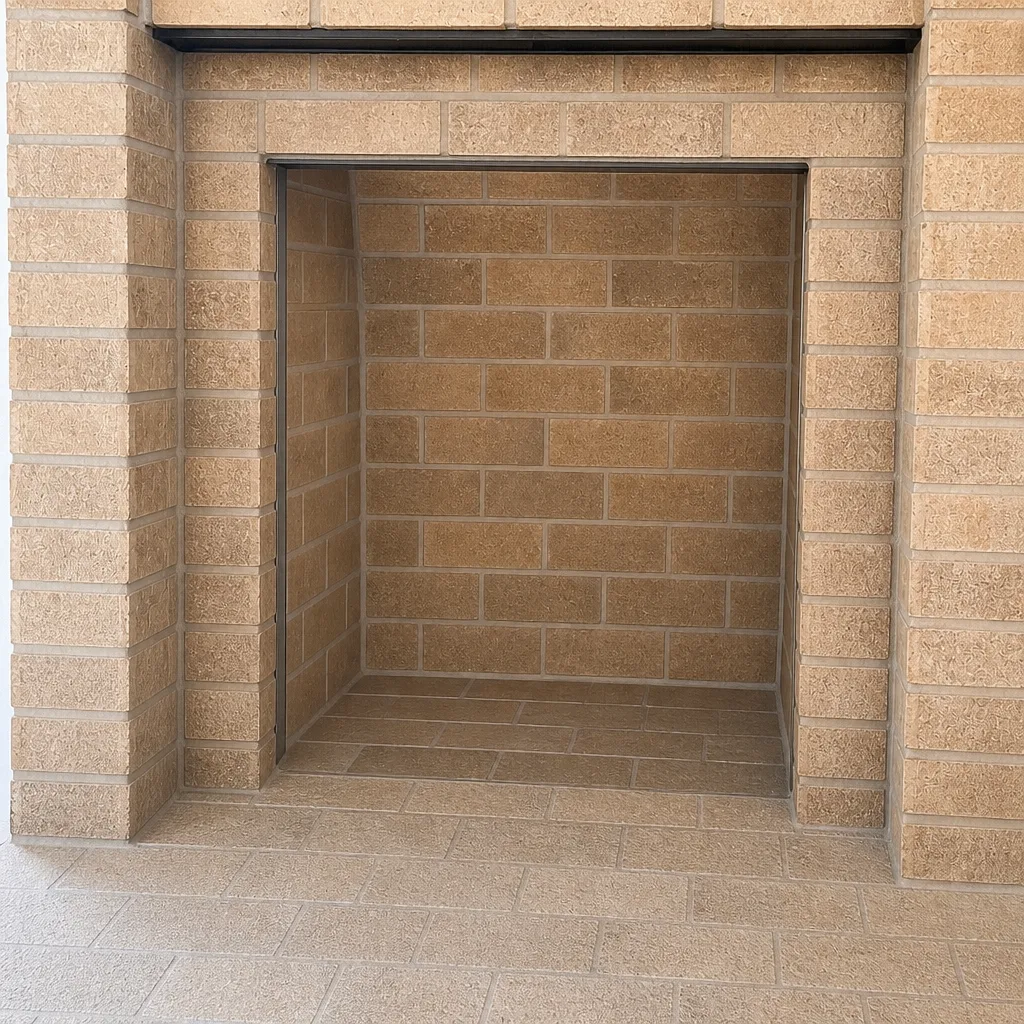
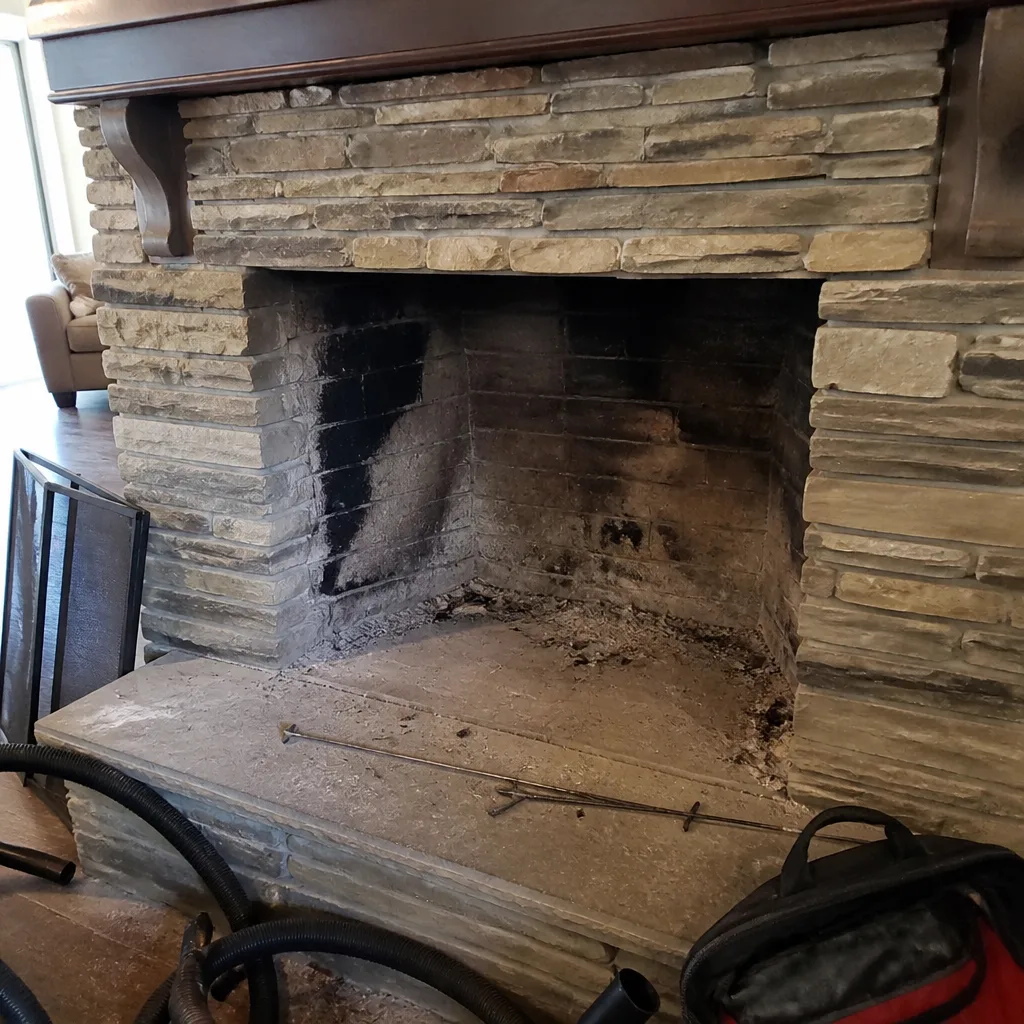
See the difference
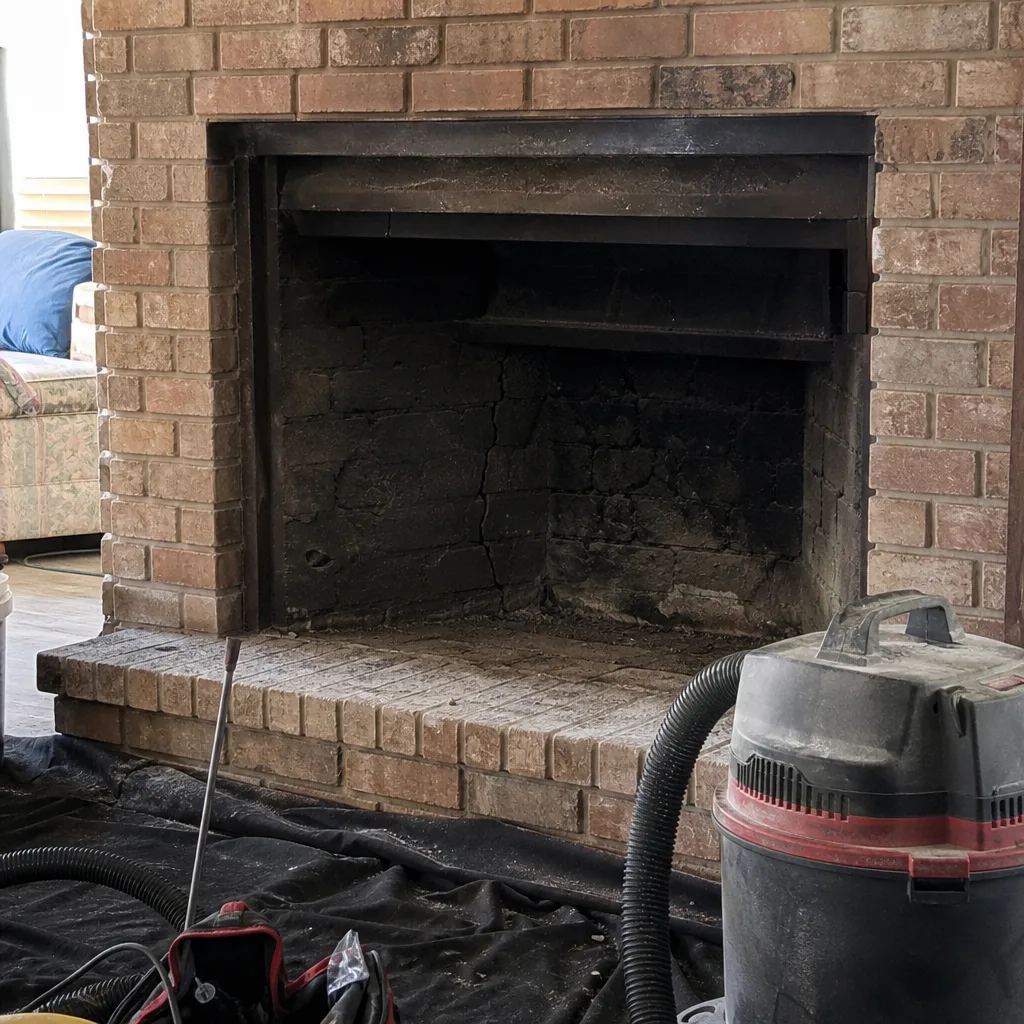 Before
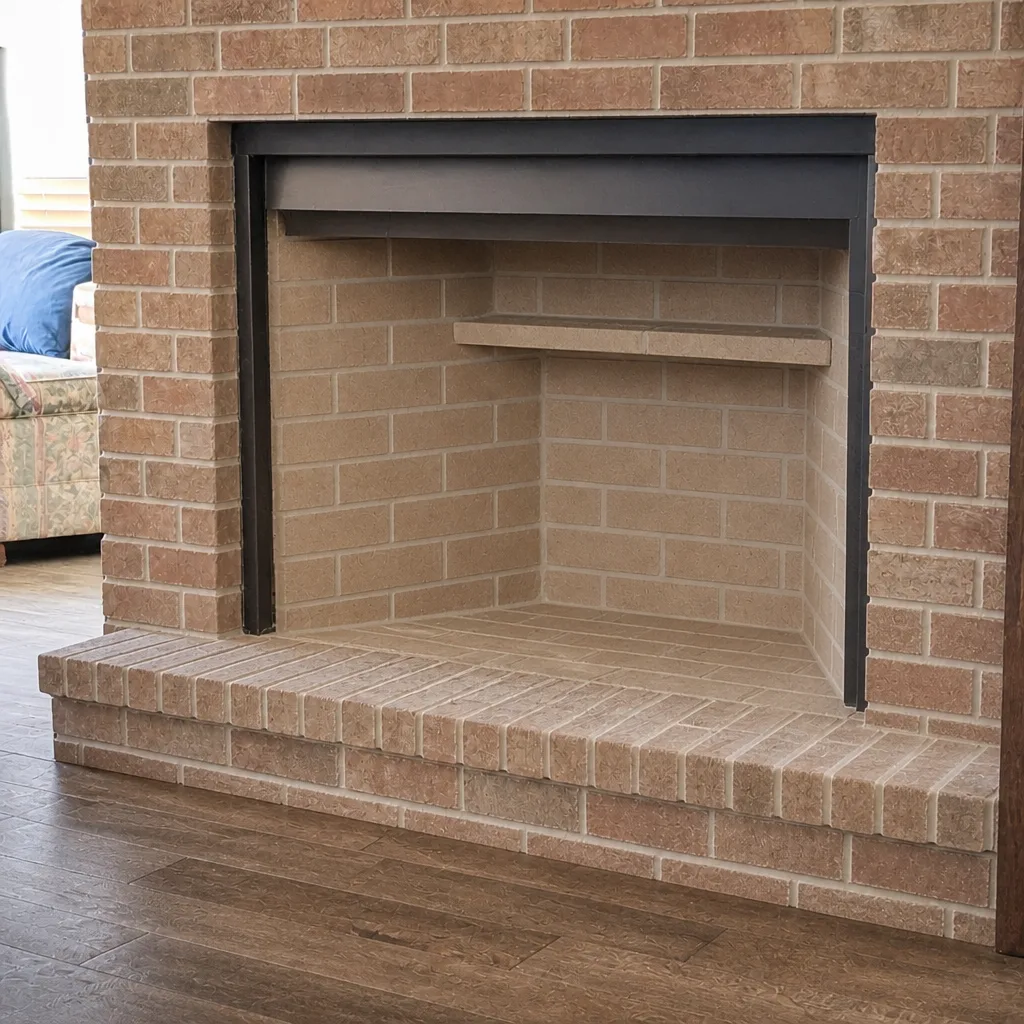 After
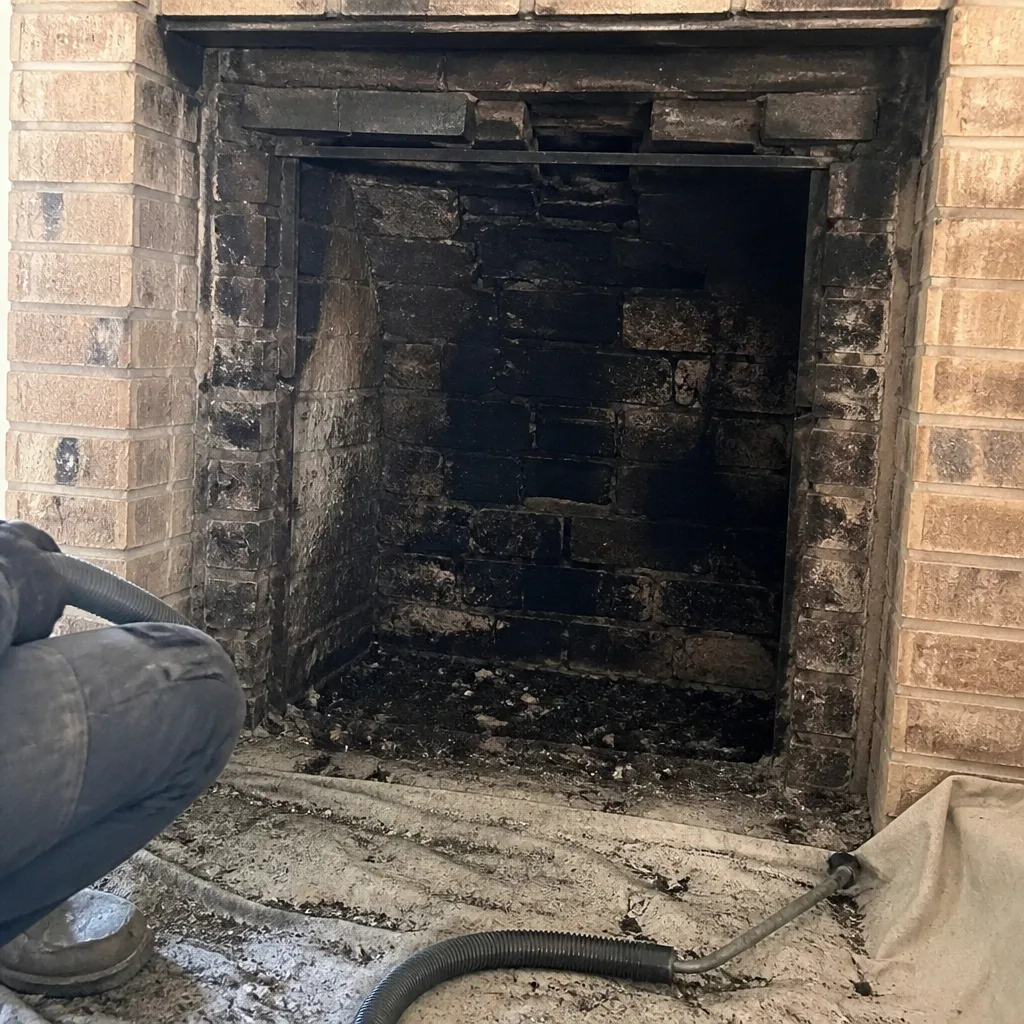 Before
 After
 Before
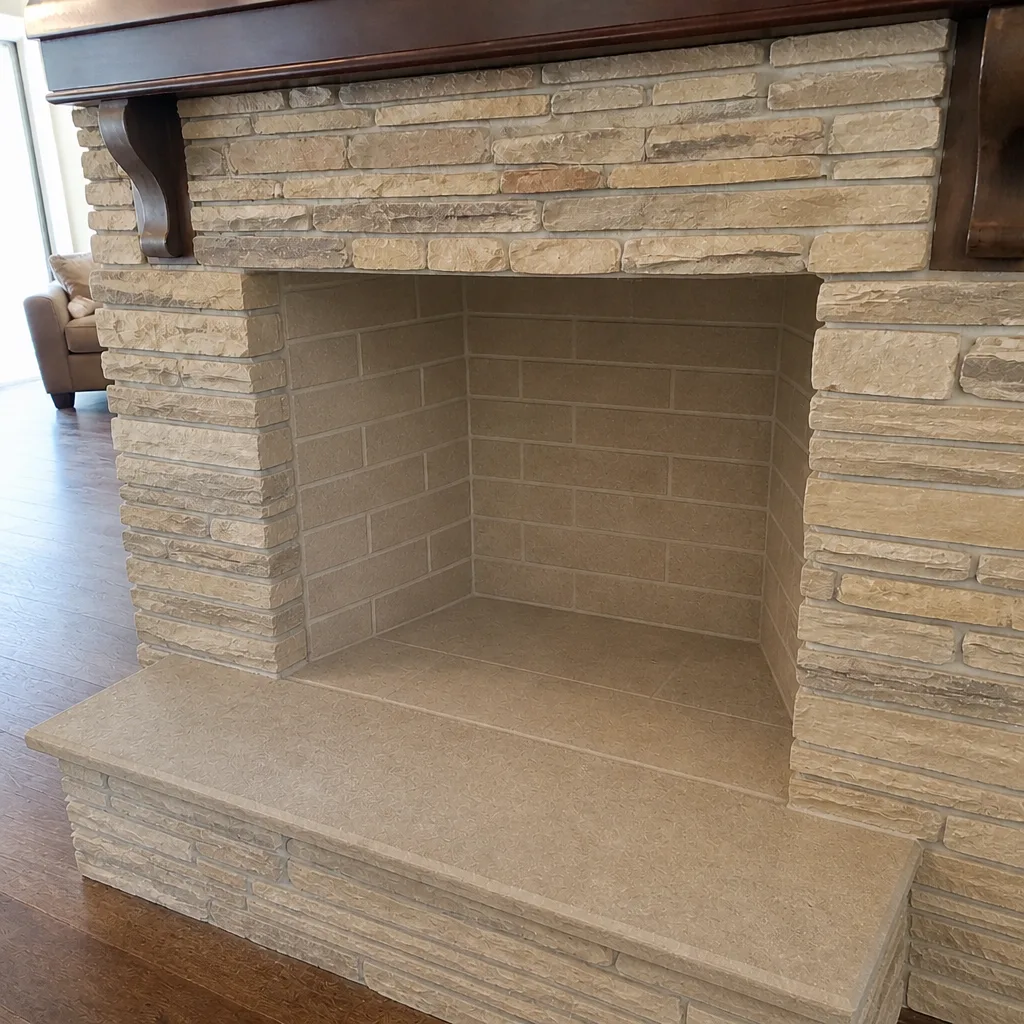 After
Frequently Asked Questions
A typical chimney sweep in Edmond is priced per job, and the written estimate you receive sets the final price. The cost depends on the appliance, how much creosote is present, and whether a camera inspection or repair is included. Estimates are free, so you can get an exact figure before committing. Call (844) 834-5906 for an exact quote, with no obligation.
Oklahoma does not require a universal statewide license for chimney sweeping or repair, so “licensed” by itself proves very little. The meaningful checks are industry certification, verifiable general liability and workers’ compensation insurance, and documented scope. Ask what credentials each technician holds, then verify the insurance before work starts.
Ask three scope questions: does the quote cover the smoke chamber and firebox, not just the flue; is the liner camera-inspected and will you see the footage; and can the company repair what it finds, or will it refer you out. Also ask for a current certificate of insurance showing liability and workers’ compensation. A specialist answers all of these without hesitation.
Sometimes a deteriorating liner can be repaired and resurfaced rather than fully replaced, but that’s a judgment that depends on what the inspection finds. Ask to see the camera images and get the recommendation tied to specific evidence rather than a general verdict. If a repair can safely wait, a good contractor will tell you so. Call (844) 834-5906 for an honest assessment.
Sweep a wood-burning chimney at least once a year, and more often if you burn heavily or use unseasoned wood that produces more creosote. Gas inserts still need an annual inspection even though they produce far less soot. Staying ahead of a build-up costs far less than repairing the damage it causes.
Camera inspection matters because the inside of a flue is the part you can’t see, and cracks or joint failures there can go unnoticed for months. It’s the difference between a guess and a document. If a contractor can’t show you footage, you have no way to verify what was found, and neither does anyone else who might rely on it later.
The Bottom Line
Hiring a chimney cleaning contractor in Edmond comes down to four checks: meaningful certification, full-system scope, verifiable insurance, and a specific written estimate. Because Oklahoma has no universal chimney licensing, those checks are on you, and the questions in this guide are how you run them quickly. The lowest bid is not the cheapest in the end if it skips the smoke chamber or sends you shopping for a second contractor. When you’re ready to compare, look for a specialist who cleans, inspects, repairs, and documents in one visit, and who shows you the evidence before recommending anything. Our Edmond service area includes free estimates, and you can read more about the three-service scope we offer before you book.
Call (844) 834-5906. We answer 24/7. Fast dispatch from 7am to 7pm, Sunday through Friday. Estimates are free, and nothing is recommended without camera evidence you can see for yourself.
Written by the team at Edmond Chimney Sweep.