
Last updated November 16, 2026
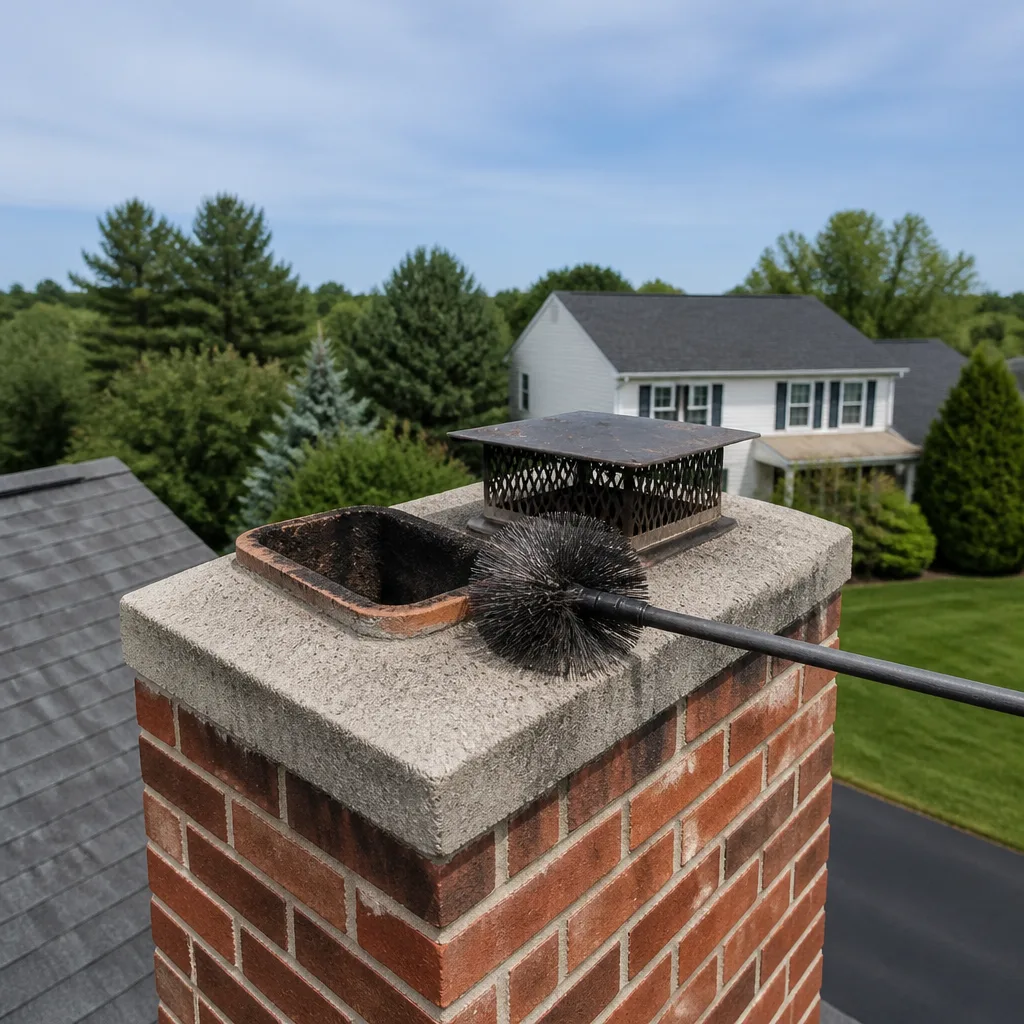 Sweep & inspection
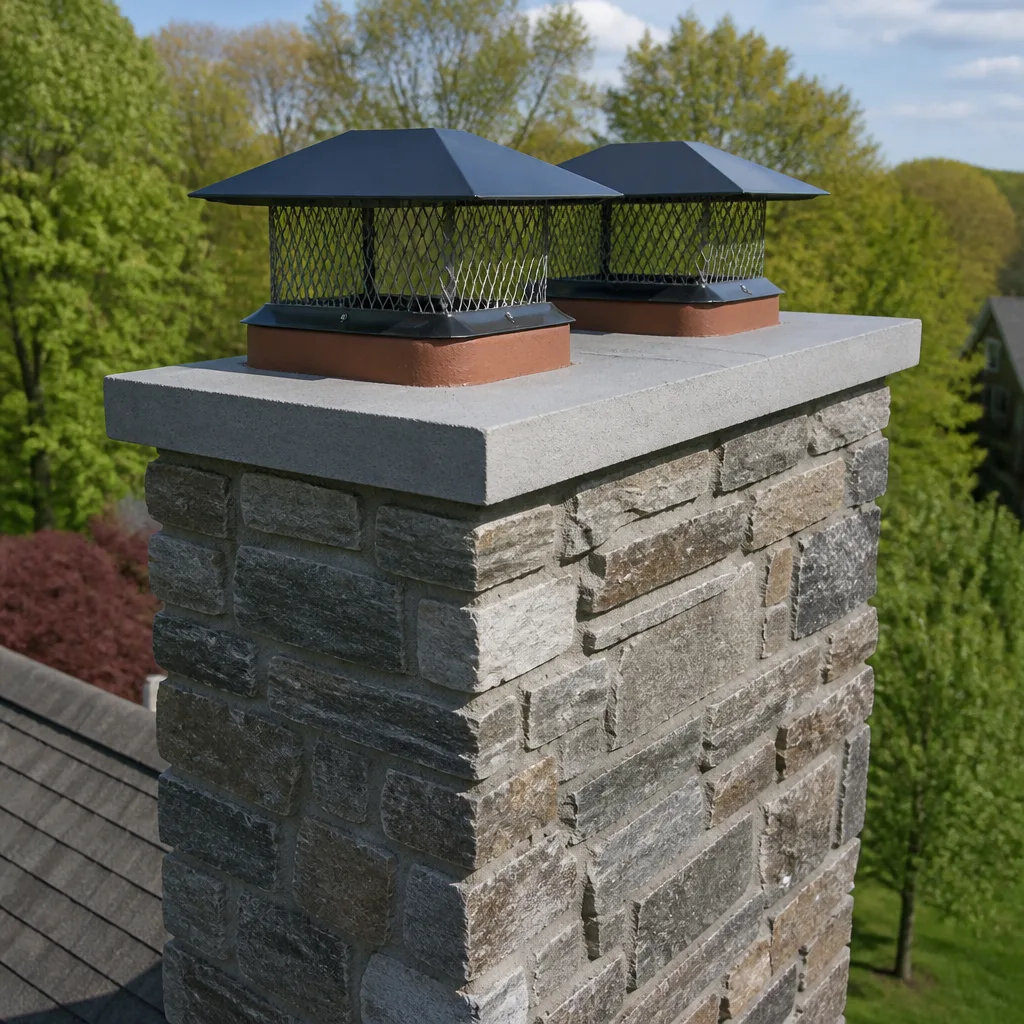 Caps & crowns
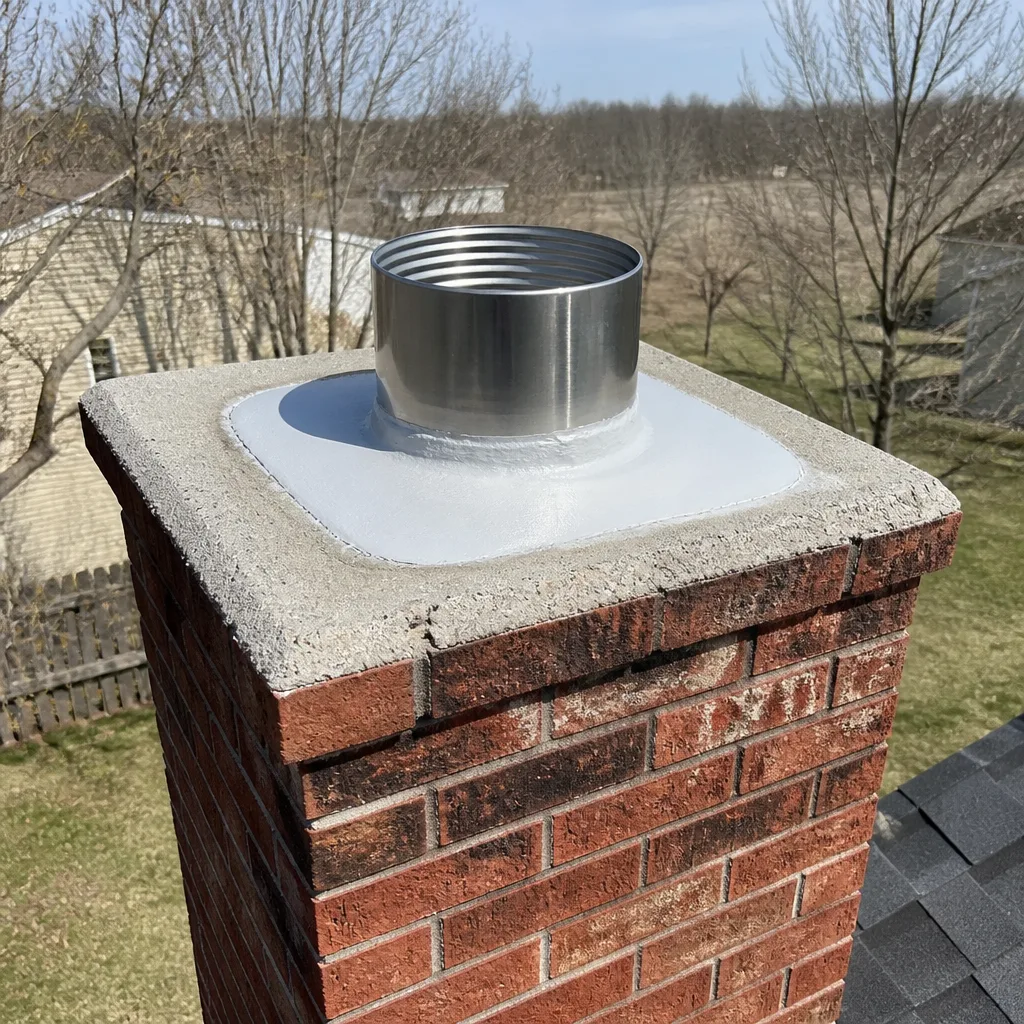 Flue relining
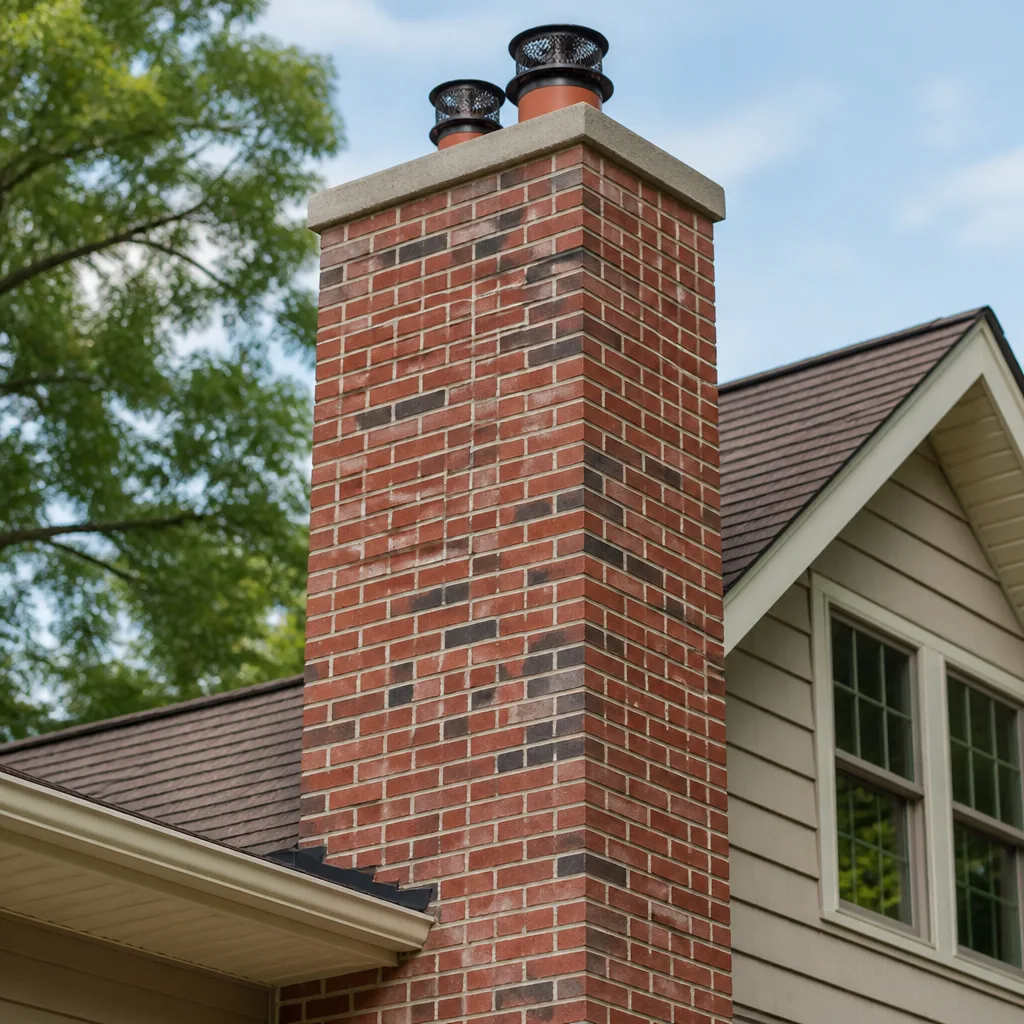 Masonry repair
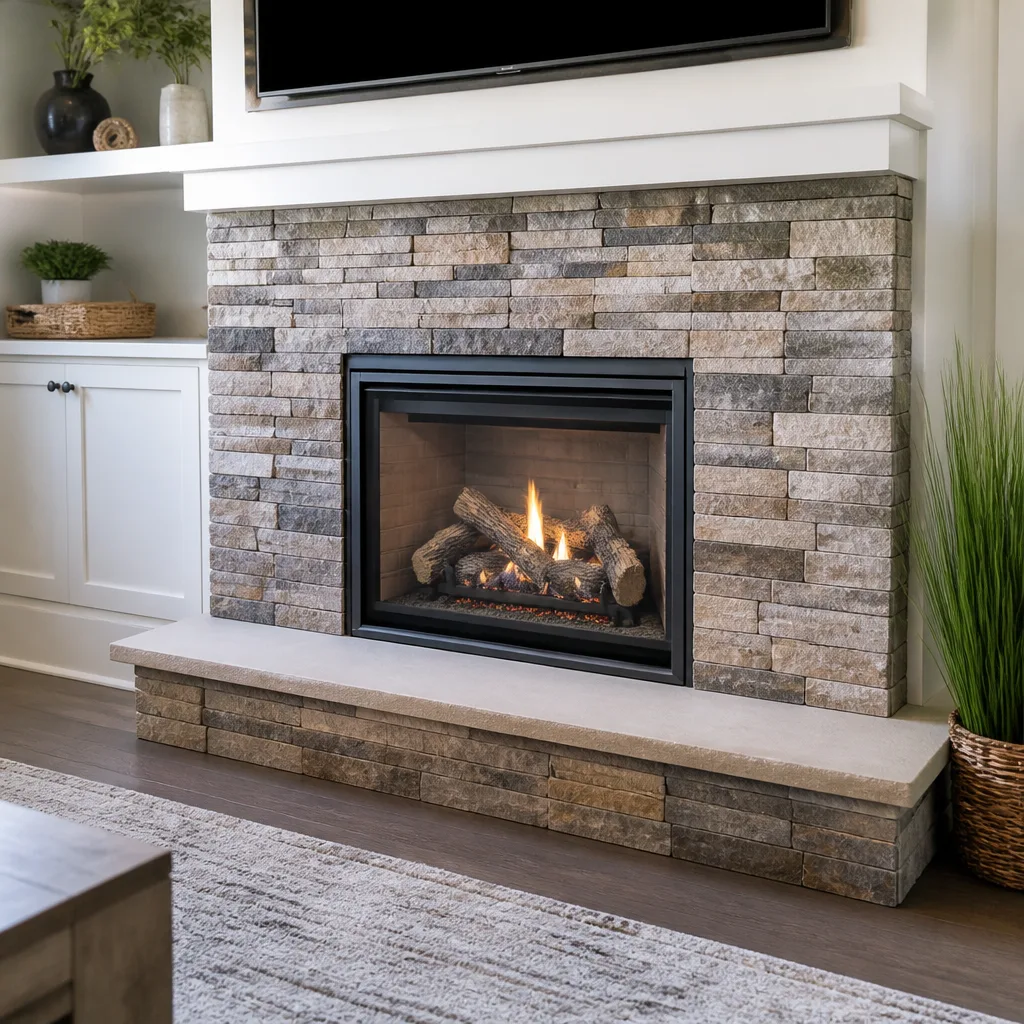 Gas fireplace service
Level 1 sweep and inspection to the NFPA 211 annual standard - flue, crown, cap, and flashing checked and photographed
Chimney sweep logs do not sweep chimneys. They loosen some creosote - which then falls where a brush and vacuum still have to collect it.
Seasonal Chimney Cleaning Care for Edmond: Year-Round Homeowner’s Guide
Most homeowners in Edmond think about the chimney exactly once: the first cold evening when they want a fire. That single moment of attention is the problem. A chimney in central Oklahoma lives through ice storms, hard freezes, driving spring rain, and long stretches of 100-degree heat before anyone strikes a match. Each season stresses a different part of the system, and each one gives you a chance to catch trouble while it’s still small. This guide maps the whole year, season by season, so you know what to watch, what to book, and what can safely wait. Edmond weather is hard on masonry, and an annual habit built around it beats a generic once-a-year reminder.
Quick Answer
The right way to care for a chimney in Edmond is to spread the work across the year: book your cleaning and inspection in late September before heating season demand peaks, watch for smoke rollout and odor changes during winter use, check the crown and flashing after the last freeze in spring, and deal with summer odors before they settle in. One professional cleaning and inspection a year is the baseline. The seasonal checks around it are what protect the structure between visits.
Styles & brands we work with
- Sweep & inspection
- Caps & crowns
- Flue relining
- Masonry repair
- Gas fireplace service
Table of Contents
- Why Late September Is the Right Window in Edmond
- Winter: What Active Use Tells You About Your Chimney
- Spring: Freeze-Thaw Damage to Crowns and Flashing
- Summer Odors: Creosote or Moisture?
- A Season-by-Season Chimney Calendar for Edmond
- What a Professional Inspection Actually Covers
- When a Seasonal Check Turns Into a Repair
- Common Mistakes to Avoid
- When to Call a Professional
- Frequently Asked Questions
Why Late September Is the Right Window in Edmond
Late September is the best time to book chimney cleaning and inspection in Edmond, and it has nothing to do with the calendar on the wall. It’s about the queue. Once the first genuinely cold evening arrives, every homeowner who ignored the chimney all year suddenly wants an appointment, and the calendar fills fast. Booking in late September means you’re ahead of that rush, and any repair the inspection turns up gets done before you need the fireplace, not in the middle of a cold snap.
There’s a second reason the timing matters here. Edmond sits in a part of Oklahoma where the first freeze can arrive early and hard, and the swing from warm afternoons to freezing nights puts stress on mortar and flashing. A fall inspection catches the damage a summer of heat and a winter of ice already did, while the weather still lets a technician get on the roof and work comfortably. Waiting until you smell smoke is waiting too long.
What a fall visit should include:
- A full sweep of the flue, matched to what you burn. A wood fireplace, a wood stove, and a gas insert each leave different deposits, and the brush and the technique follow the fuel.
- An inspection against the NFPA 211 categories, so you get documentation you can hand to an insurer or a home buyer.
- A look at the firebox, damper, crown, and flashing, not just the inside of the pipe.
We work on the whole system, not just the part you can see. A clean flue with a cracked crown is still a chimney with a water problem waiting to happen, and the fall visit is the moment to catch both. If you want the cleaning handled by a team that also does the inspection and the repair, that’s what a chimney sweep should mean: one visit, one assessment, one accountable answer.
Winter: What Active Use Tells You About Your Chimney
Winter is when the chimney earns its keep and when it talks to you, if you know what to listen for. Most of what goes wrong mid-season announces itself before it becomes dangerous, and the signals are things a homeowner can notice without climbing anything. Paying attention during the burn season is half of seasonal care.
Watch for these during active use:
- Smoke rolling back into the room. A little puff when you first light is normal. Smoke that keeps spilling after the fire is established points to a draft problem, a blocked flue, or a damper that isn’t opening fully. Stop using the fireplace and get it looked at.
- Odor changes. If the fireplace starts smelling sharper or more acrid than it used to, that’s a change worth noting. Creosote buildup and moisture both change how a chimney smells, and winter is when you’ll notice it most.
- Unusual sounds. Popping, crackling that’s louder than the fire itself, or a rumbling draft can signal a buildup catching or a pressure problem. Don’t ignore a sound that’s new.
- Slow, lazy fires. A fire that used to draw well and now struggles is telling you the airflow changed.
- Staining or damp patches. Water where it shouldn’t be during the wet winter months often traces back to the crown or flashing, which we’ll get to in spring.
Oklahoma winters swing hard, and a chimney that was fine in November can show a new crack after an ice storm in January. If something changes mid-season, don’t wait for the spring check. A mid-season inspection is cheaper than a mid-season surprise. Our technicians have up to 14 years of experience reading exactly these signals, and we’d rather look at a small thing now than a big thing later.
Spring: Freeze-Thaw Damage to Crowns and Flashing
The Oklahoma freeze-thaw cycle is the quiet destroyer of chimneys, and spring is when you see the bill. Water gets into a hairline crack in the mortar or behind a piece of flashing, freezes overnight, expands, and widens the crack. Then it thaws, refreezes, and does it again. By the time the last freeze passes, a crack that was cosmetic in the fall can be a real opening. That’s why a spring visual check matters: it catches the damage before summer rain finds it.
The two spots to prioritize:
- The crown. That’s the concrete cap on top of the chimney. When it cracks, water runs straight down into the flue and the masonry. A crown that’s spalling or cracked is the most common entry point for water in Edmond chimneys after a hard winter.
- The flashing. That’s the metal where the chimney meets the roof. Ice and wind work it loose, and a loose flashing joint lets water into the attic and the ceiling below. Spring is the time to catch it before the spring rains do their work.
A spring check doesn’t have to be a full inspection. It’s a look, a photo, and an honest answer about whether anything needs attention now or can wait until your fall visit. When it does need work, we carry the repair through with professional-grade materials rather than improvised fixes. HeatShield resurfacing lets us repair a deteriorating flue liner without tearing the chimney apart, and a properly seated Gelco cap keeps water and animals out of the flue between seasons. Trusted brands, applied by specialists who know how they perform in real chimneys.
Summer Odors: Creosote or Moisture?
Chimney odors are worse in an Edmond summer than at any other time of year, and it’s not your imagination. Heat and humidity pull smells out of the flue and push them down into the house. The question worth answering is what’s causing the smell, because creosote and moisture are two different problems with two different fixes.
How to tell them apart:
- Creosote. A sharp, smoky, campfire-like smell that gets stronger on hot, humid days. It usually means there’s buildup in the flue that a sweep will remove. This is the more common cause, and it’s why a spring or early-summer sweep can make a real difference to how the house smells in July.
- Moisture. A musty, damp, or earthy smell, often with visible staining or a draft that feels humid. That points to water getting in through the crown, flashing, or a missing or damaged cap. A sweep won’t fix it; the water source has to be found and closed.
- Both at once. Plenty of Edmond chimneys have creosote and a water problem together after a wet winter. That’s when a single visit that sweeps, inspects, and repairs is worth more than three separate calls.
If the smell bothers you every summer, that’s a signal, not a nuisance. The good news is that summer is a low-demand time, which makes it a smart window to book a sweep and get ahead of the fall rush. A clean chimney is the starting point. A safe chimney is the goal, and the summer odor is often the nudge that gets you there.
A Season-by-Season Chimney Calendar for Edmond
Here’s the whole year in one place. This is the calendar we’d hand a homeowner in Edmond if they asked how to stay ahead of chimney problems. It’s built around local weather, not a generic annual reminder.
- Late September: book the cleaning and inspection. Get ahead of heating season demand. This is the most important appointment of the year.
- October through February: use the fireplace and pay attention. Watch for smoke rollout, odor changes, unusual sounds, and staining. Report anything new rather than waiting.
- March through April: spring visual check. After the last freeze, look at the crown and flashing. Catch freeze-thaw damage before the spring rains find it.
- May through June: deal with summer odors. If the house smells smoky or musty, book a sweep or an inspection. Low-demand season means easier scheduling.
- July through August: handle repairs while it’s quiet. If a repair came up, summer is the easiest time to get it done without needing the fireplace.
The logic is simple: front-load the cleaning, back-load the repairs, and use the in-between months to catch problems early. A homeowner who follows this calendar rarely gets surprised. A homeowner who waits for the first cold snap is competing with the whole city for an appointment.
What a Professional Inspection Actually Covers
An inspection is not the same as a cleaning, and it’s the part most homeowners underrate. A sweep removes what’s in the flue. An inspection tells you what condition the whole system is in, including the parts you can’t see from the hearth. Our inspection service aligns with the NFPA 211 inspection categories, which gives you a documented assessment you can share with an insurer or a buyer if you ever need to.
A proper inspection looks at:
- The flue interior, checking for cracks, gaps, and the condition of the liner.
- The firebox and damper, looking for deterioration and proper operation.
- The crown, flashing, and cap, checking for water entry points.
- The exterior masonry, looking for spalling, cracking, and movement.
- Clearances and any code or safety issues that need attention before the next fire.
The point of the inspection is to identify code and safety issues before they become expensive emergencies. That’s the proactive layer most people miss. It’s also where a specialist beats a generalist: we’re looking at the whole chimney, not just sweeping a pipe and leaving. If the inspection finds something, we can carry the repair through, so you don’t have to hire a second contractor to finish the job.
When a Seasonal Check Turns Into a Repair
Seasonal checks sometimes find work that needs doing, and that’s the moment the difference between a sweep-only service and a full specialist shows up. When a fall or spring check finds a damaged liner, a failing crown, or a cap that’s past its life, the repair shouldn’t mean starting over with a new company. We carry the repair through: sweep, inspect, fix, done.
The repairs we handle most often, and the materials we trust for them:
- Relining. A damaged or aging flue liner gets a DuraFlex flexible liner, a standard trusted by chimney professionals for relining. It’s a manufacturer-backed system, not an improvised fix.
- Resurfacing. A deteriorating liner that doesn’t need full replacement can often be resurfaced with HeatShield, which restores the flue without demolition.
- Caps and covers. A weather-rated Gelco cap keeps rain, animals, and debris out of the flue, and it’s durable hardware, not a big-box substitute.
- Venting components. Famco and Olympia Chimney products cover the functional venting side, so the system works the way it was designed to.
Professional-grade materials make the difference in how a repair holds up through another Oklahoma freeze-thaw cycle. Whatever the seasonal check turns up, a chimney repair done with the right materials the first time saves you from doing it twice.
Common Mistakes to Avoid
- Waiting for the first cold night to book. That’s when everyone else calls too, and the calendar fills. Late September is the window; miss it and you’re competing for a slot.
- Treating the cleaning as the whole job. A sweep without an inspection misses cracked crowns, failing flashing, and liner problems. The inspection is what protects the structure.
- Assuming a summer smell is just a smell. Summer odors in Edmond are often a signal of creosote buildup or a water problem. Diagnose it instead of masking it.
- Ignoring the crown and flashing until water shows up inside. By the time you see a stain on the ceiling, the water has usually been getting in for a while. The spring check exists to catch it earlier.
- Hiring a sweep-only service and then hunting for a repair contractor. When the sweep finds a problem, you want the same specialist to fix it. One relationship, one accountable answer.
- Letting a chimney go years between visits. Creosote builds, masonry weathers, and small issues compound. An annual cleaning and inspection is the baseline for a reason.
- Skipping the documented inspection. An inspection aligned with NFPA 211 categories gives you a record you can share with an insurer or a buyer. Without it, you have a verbal opinion.
When to Call a Professional
Some chimney care is a phone call, not a project. Call a professional if you haven’t had the chimney cleaned and inspected in the past year, if you’re about to start the heating season, or if you noticed any of the winter warning signs (smoke rollout, odor changes, unusual sounds, staining). Call if the spring freeze-thaw season left visible cracks in the crown or the flashing, if summer odors bother you, or if you’ve never had the system inspected since moving in. And call before your first fire of the season, not after, so any problem gets fixed on a comfortable schedule.
Edmond Chimney Sweep offers free estimates in Edmond. Call (844) 834-5906. We answer 24/7. Fast dispatch from 7am to 7pm, Sunday through Friday, and we’re closed Saturday. Estimates are free, and the written estimate sets the final price.
Frequently Asked Questions
Once a year is the baseline for a chimney in Edmond, ideally in late September before heating season. If you burn wood heavily, or you notice creosote buildup, odor changes, or draft problems, you may need it checked more often. The annual cleaning and inspection is the habit that keeps the system safe.
No, but the calendar gets busy once the cold weather arrives. Booking in late September puts you ahead of the demand. If you’ve missed that window, call and we’ll tell you honestly what the schedule looks like. We’re open Sunday through Friday, 7am to 7pm, and closed Saturday.
Summer heat and humidity pull odors out of the flue and push them into the house, and Oklahoma summers are humid enough to make that noticeable. The smell usually means creosote buildup or a moisture problem. A sweep and inspection will tell you which, and a Gelco cap or a flashing repair can close a water source.
Stop using the fireplace and get the chimney looked at. A persistent smoke rollout after the fire is established usually points to a draft problem, a blockage, or a damper issue that needs professional attention. Continuing to burn with poor draft isn’t worth the risk.
Look for cracks or spalling on the crown, loose or lifted flashing where the chimney meets the roof, or staining on the ceiling below. Spring is the time to check, after the last freeze. If you see any of these, get an inspection before the spring rains make it worse.
Yes, and it’s the most underrated part of chimney care. A cleaning removes what’s in the flue; an inspection finds what’s wrong with the whole system, including cracks and code issues. Our inspection aligns with NFPA 211 categories, which gives you documentation you can share with an insurer or a buyer.
The Bottom Line
Chimney care in Edmond isn’t a once-a-year errand; it’s a rhythm built around local weather. Front-load the cleaning and inspection in late September, watch for winter warning signs during active use, check the crown and flashing after the last freeze, and deal with summer odors before they settle in. Edmond’s ice storms, 100-degree summers, and freeze-thaw swings each stress a different part of the system, and the seasonal checks are what protect the structure between visits. One professional cleaning and inspection a year is the baseline. The seasonal habit around it is what keeps you ahead of the surprises. We handle the sweep, the inspection, and the repair with professional-grade materials from brands like DuraFlex and HeatShield, so when the check finds something, it gets fixed.
Call Edmond Chimney Sweep for a free estimate at (844) 834-5906. We answer 24/7. Fast dispatch from 7am to 7pm, Sunday through Friday, and we’re closed Saturday. A clean chimney is the starting point. A safe chimney is the goal. Book your seasonal care with Edmond Chimney Sweep and get ahead of the next cold snap.
Written by the team at Edmond Chimney Sweep.
See the difference
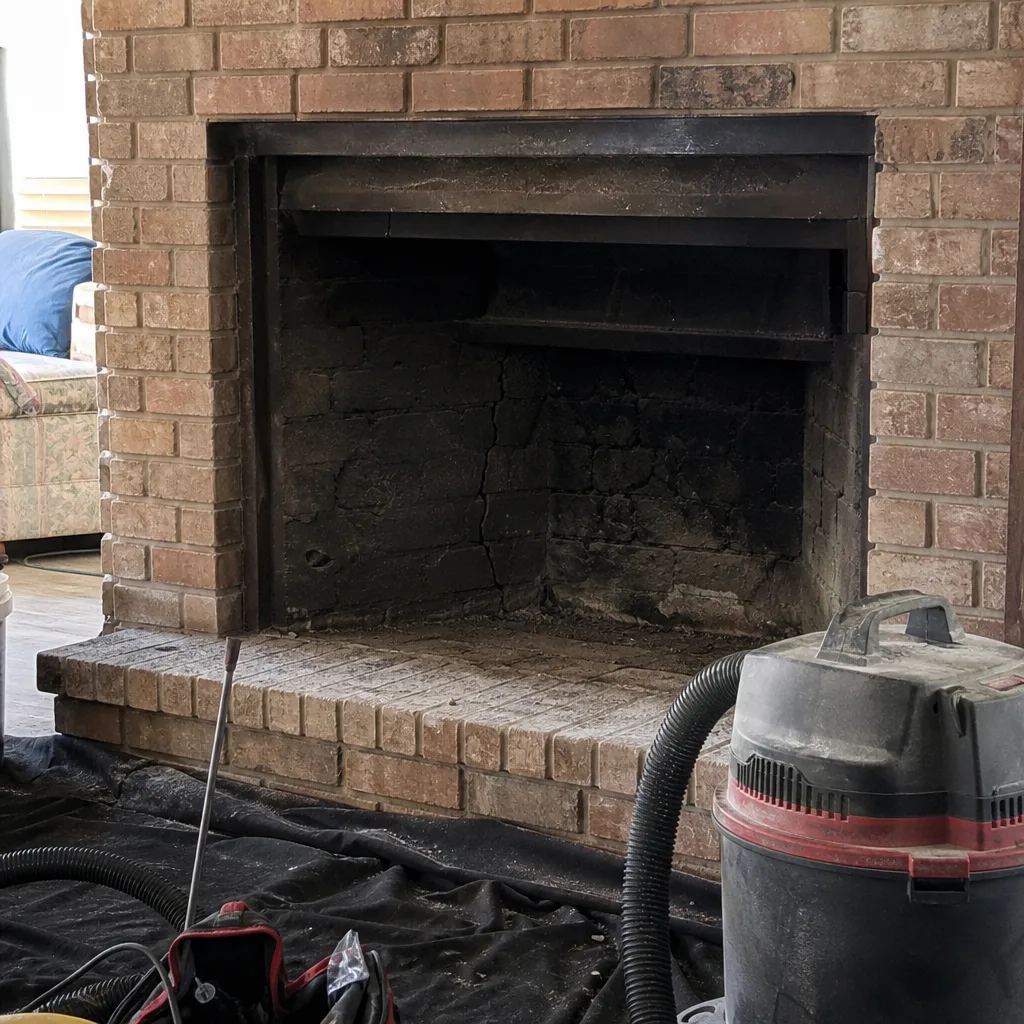 Before
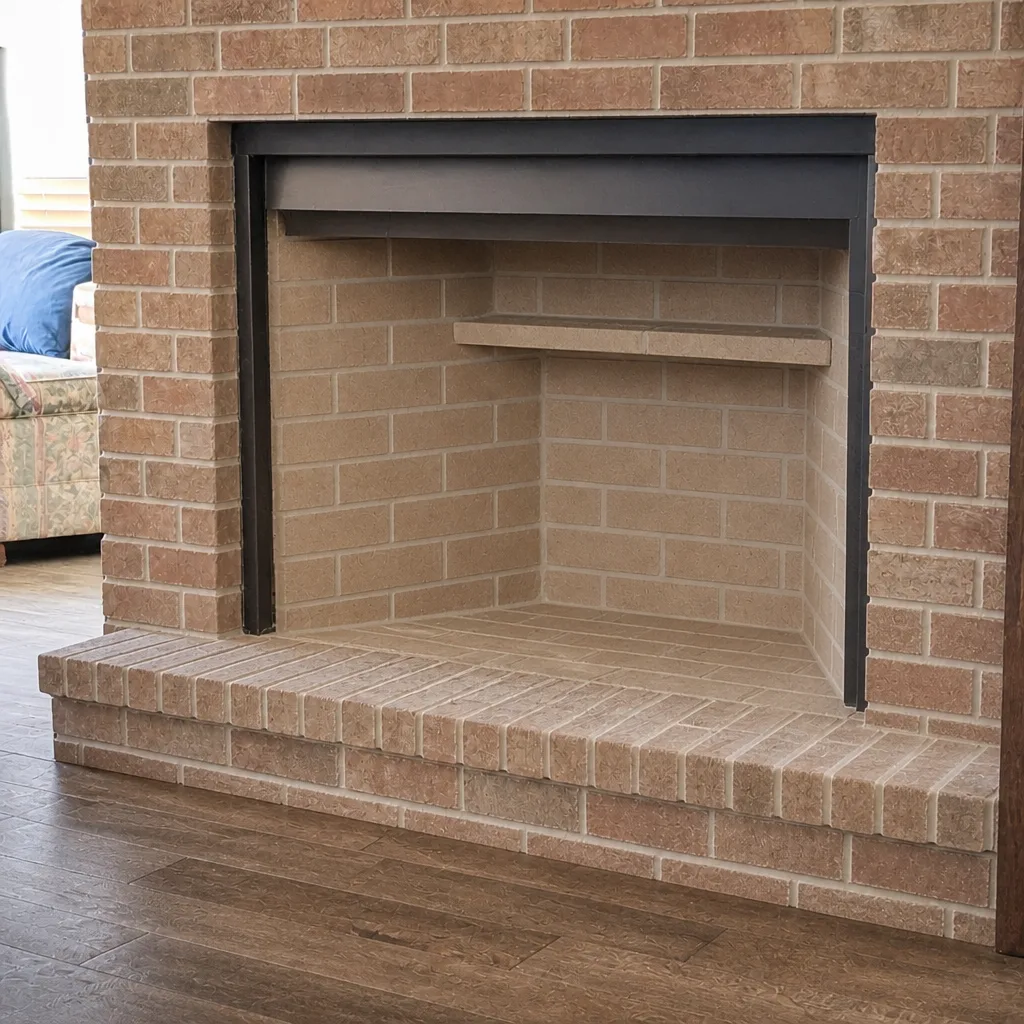 After
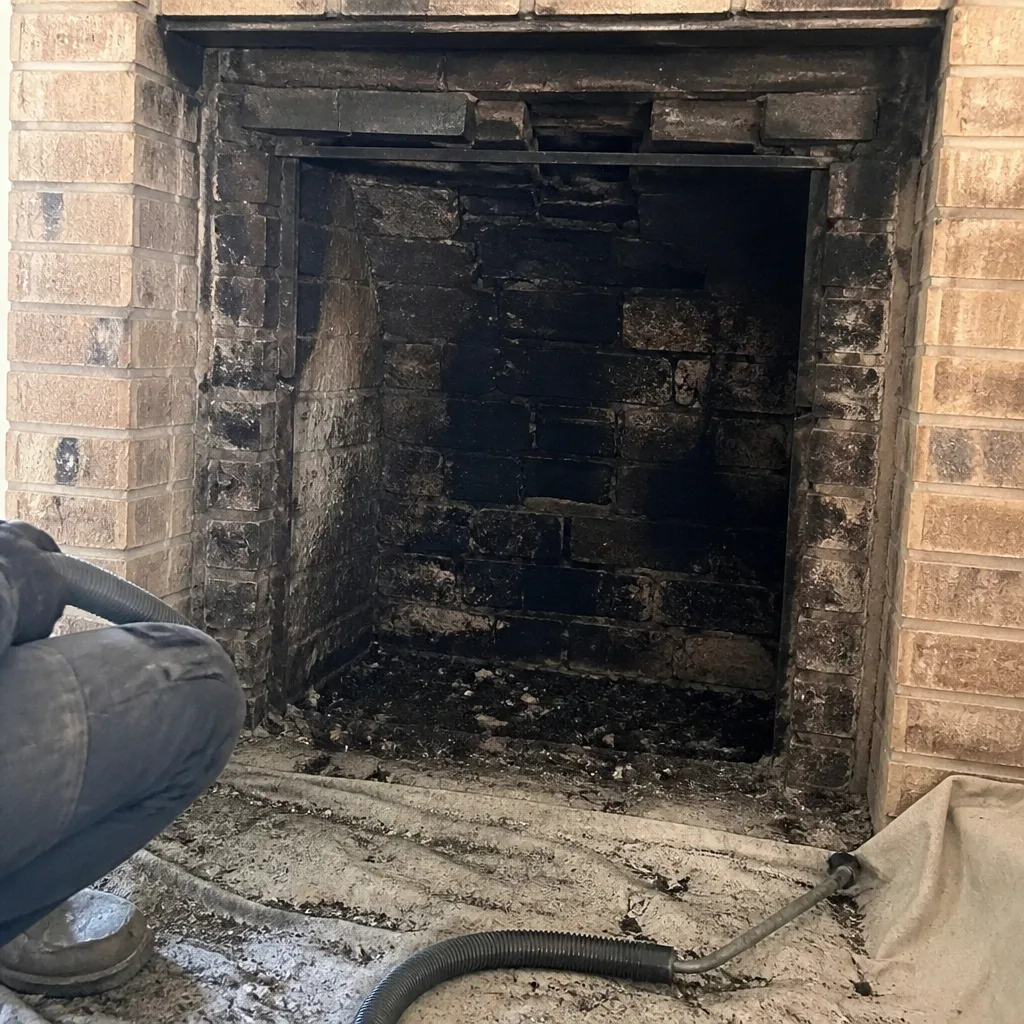 Before
 After
 Before
 After