
Last updated November 16, 2026
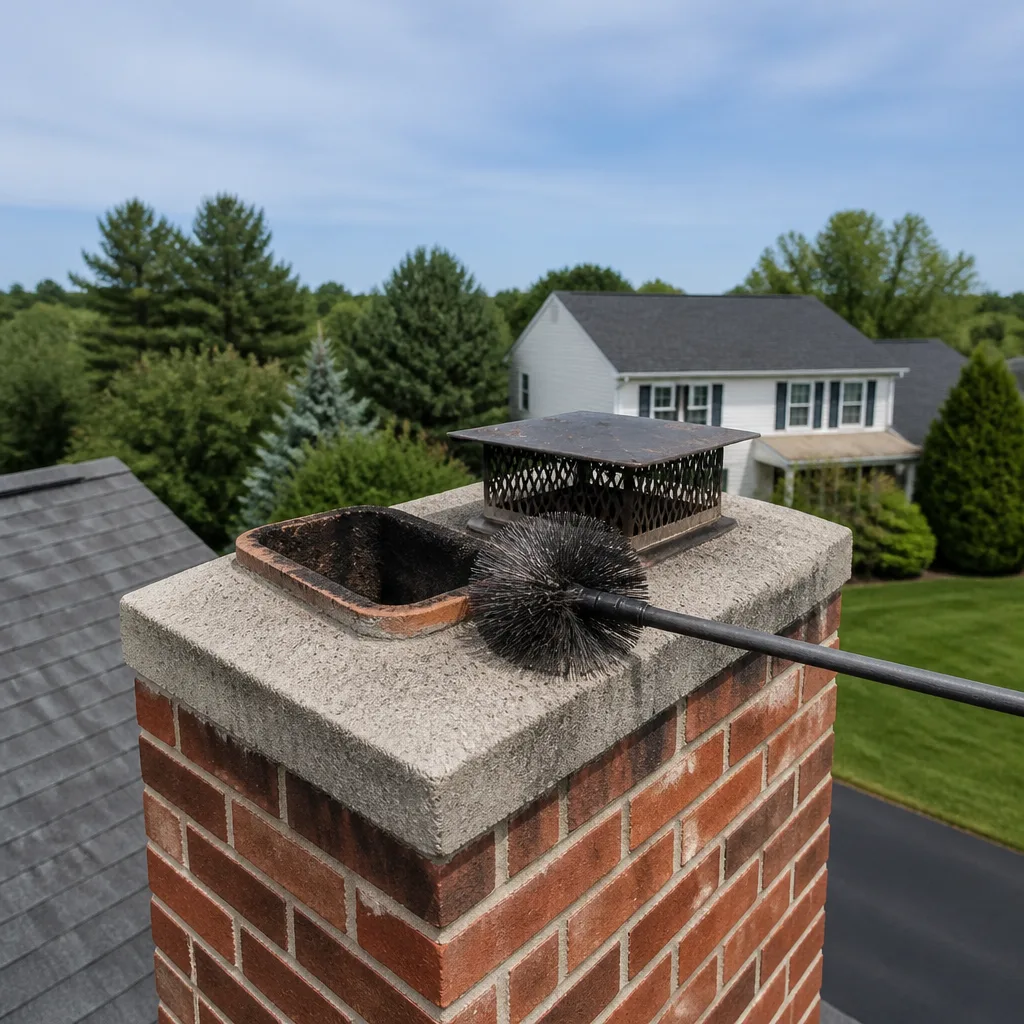 Sweep & inspection
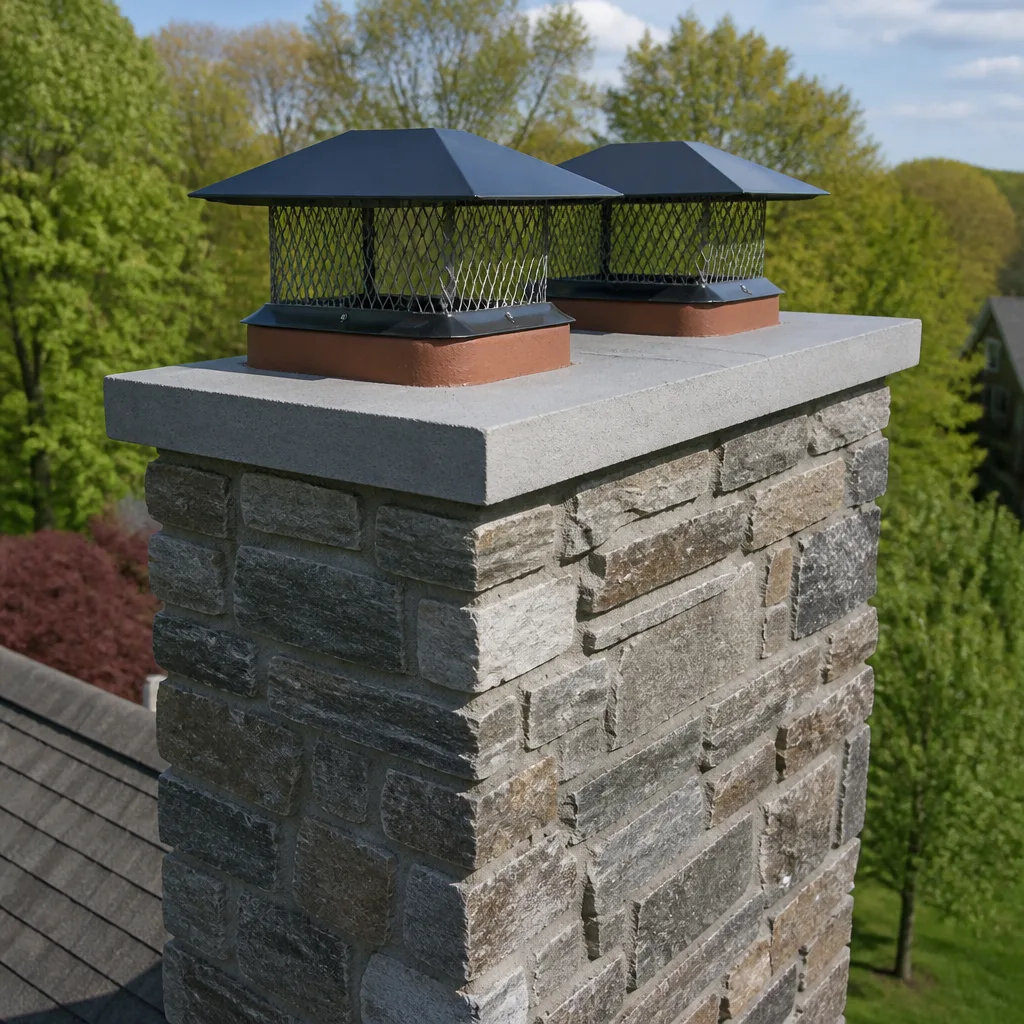 Caps & crowns
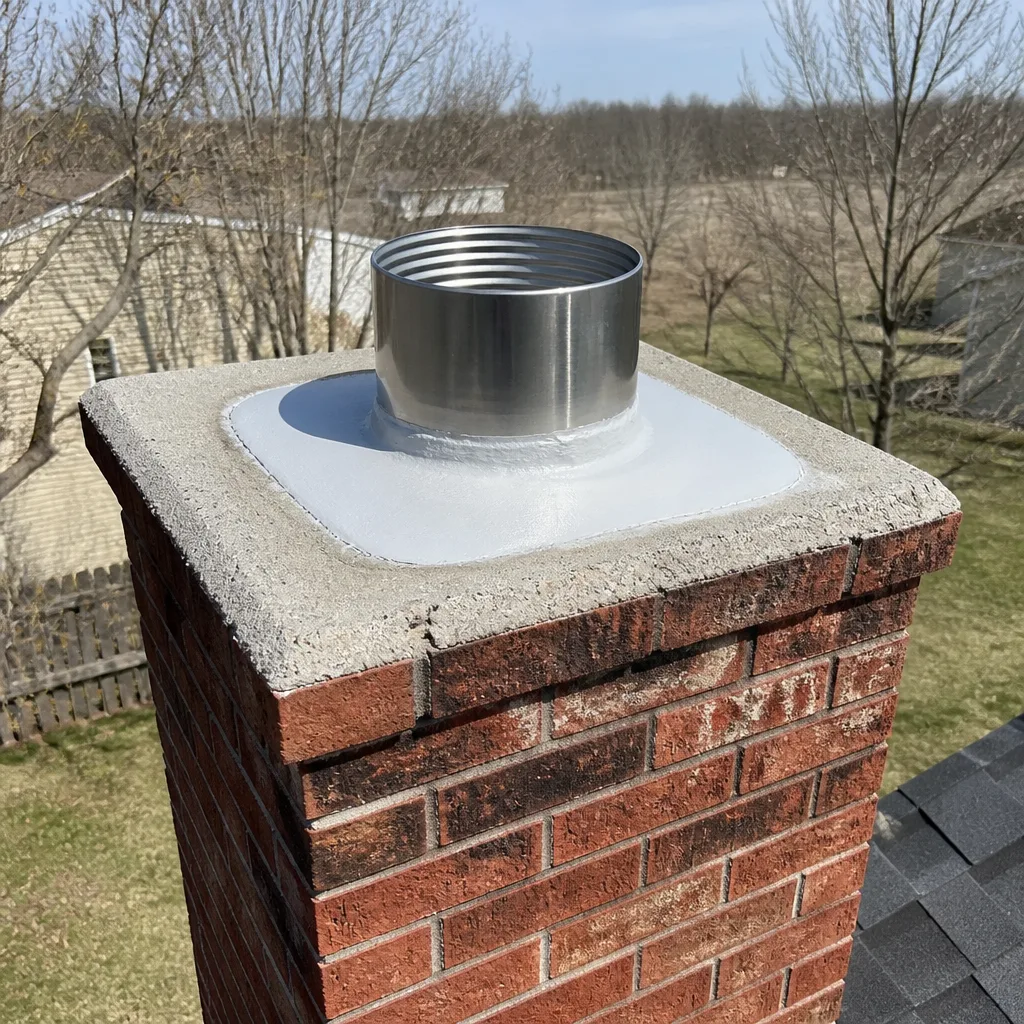 Flue relining
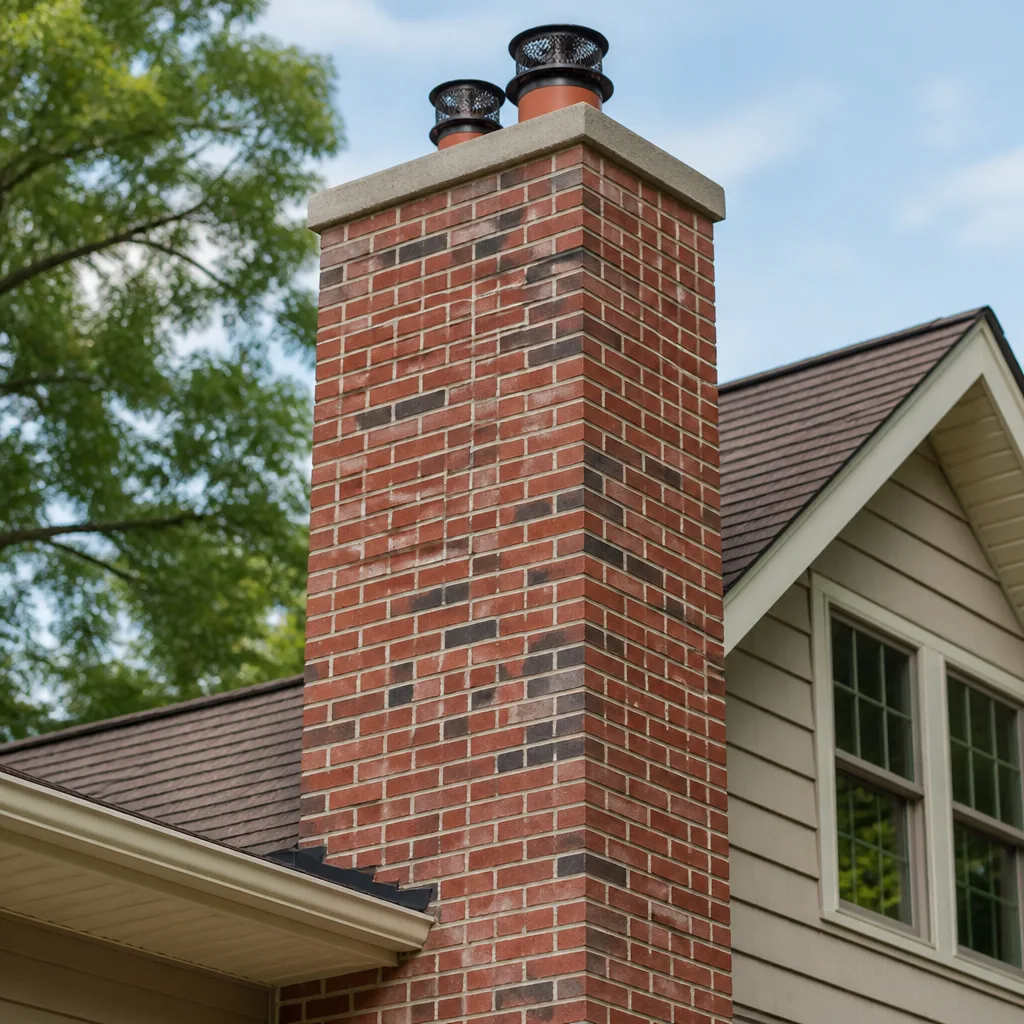 Masonry repair
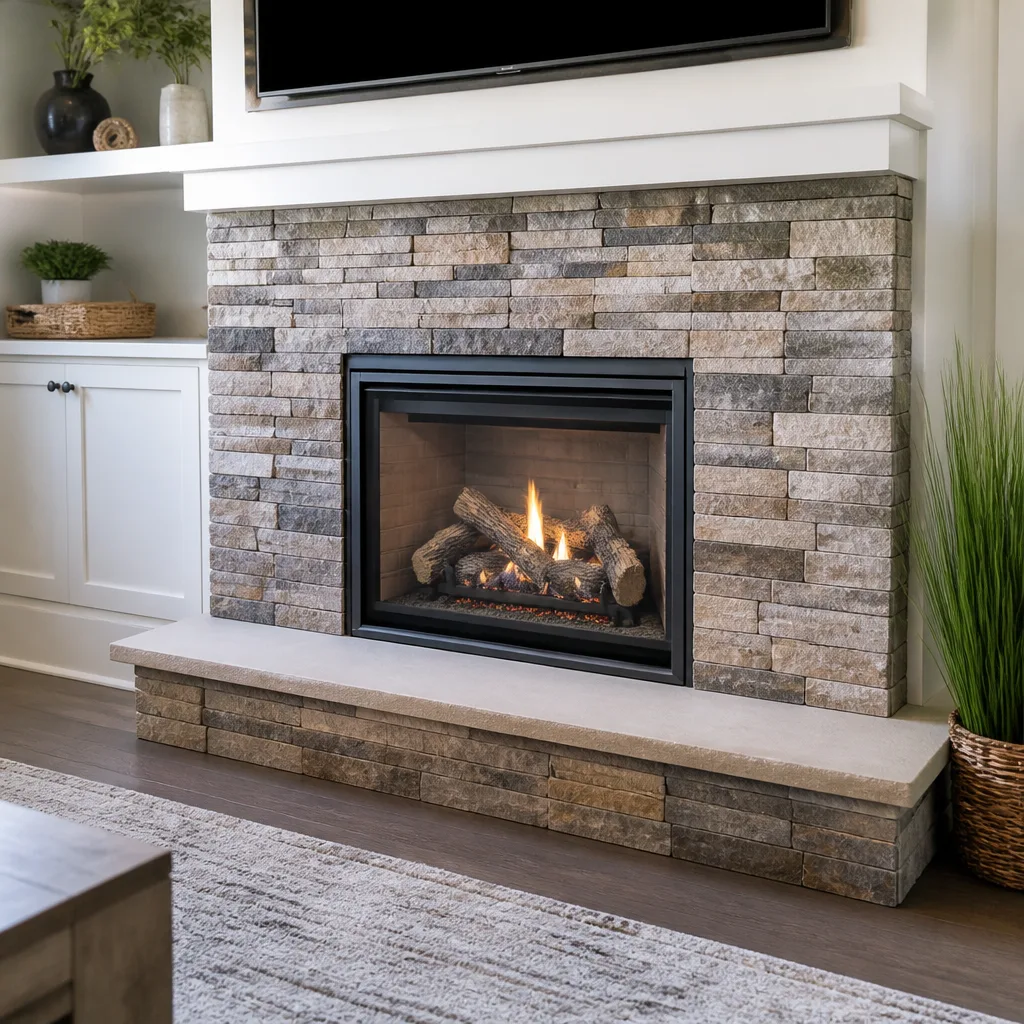 Gas fireplace service
Level 1 sweep and inspection to the NFPA 211 annual standard - flue, crown, cap, and flashing checked and photographed
Chimney sweep logs do not sweep chimneys. They loosen some creosote - which then falls where a brush and vacuum still have to collect it.
Choosing the Right Chimney Cleaning Brand: A Buyer’s Guide for Edmond
Creosote removal logs sit on the shelf at every home improvement store in Edmond, and the label makes them sound like a cleaning solution. They aren’t. A treated log is a maintenance aid for light deposits, and used on glazed third-degree creosote it can harden the surface and make professional removal harder, not easier. The same gap between marketing and reality runs through chimney caps, sealants, damper upgrades, and every other product sold to homeowners in Edmond. This guide walks through what each category of chimney product actually does, how to match a product to a masonry or prefab system, and where professional-grade materials such as DuraFlex and HeatShield earn their place in a repair.
Styles & brands we work with
- Sweep & inspection
- Caps & crowns
- Flue relining
- Masonry repair
- Gas fireplace service
Quick Answer
The right chimney cleaning brand depends less on the label and more on whether the product matches your chimney’s construction, liner material, and actual problem. A creosote log helps with light soot in a masonry flue but does nothing for glazed creosote, and some retail sealants can trap moisture in a prefab chimney that needs to breathe. For anything beyond routine soot, a professional sweep and inspection is the safer purchase, and specialist materials such as chimney repair components from DuraFlex and HeatShield do work retail products can’t reach.
Table of Contents
- What Chimney Cleaning Products Actually Do
- Matching a Product to Your Chimney Type
- Homeowner-Grade vs. Professional-Grade Materials
- Do Creosote Removal Logs Really Work?
- Red Flags in Chimney Product Marketing
- Why Edmond Chimneys Need the Right Match
- When a Product Can’t Replace a Sweep
- How an Inspection Tells You What You Actually Need
- Common Mistakes to Avoid
- When to Call a Professional
- Frequently Asked Questions
- The Bottom Line
What Chimney Cleaning Products Actually Do
The chimney product aisle breaks into a few honest categories. Each one solves a narrow problem. None of them sweep a flue, and none of them repair a damaged liner. Here is what each category actually delivers:
- Chimney caps and covers keep rain, animals, and debris out of the flue. They’re genuinely useful hardware, and a good cap protects the inside of the chimney from the moment it’s installed. They don’t clean anything, though, and a cheap galvanized cap will corrode long before a weather-rated cap from a brand like Gelco does.
- Damper upgrades (top-sealing dampers, for example) improve how a chimney closes when the fireplace isn’t in use, which matters for heat loss. They don’t affect creosote buildup in the flue.
- Sealants and masonry coatings are designed to protect the outer chimney from moisture intrusion. Applied to the wrong surface, or over a wet chimney, they trap water inside the masonry. That’s worse than leaving it exposed.
- Creosote treatments come in two types: logs or powders that modify deposits as you burn, and chemical removers meant for a professional to apply. The retail versions are maintenance aids. The professional versions are part of a sweep.
None of these products replaces an annual sweep. A cap that keeps rain out doesn’t stop creosote from building up on the flue walls. A damper that seals tighter doesn’t remove what’s already there. If your goal is a safe chimney, the product is a supporting piece, and the sweep is the main event.
Matching a Product to Your Chimney Type
This is where most Edmond homeowners get into trouble. A product that’s right for a masonry chimney with a clay tile liner can be wrong for a prefab fireplace with a stainless steel insert, and the label rarely makes that distinction clear. Before you buy anything for the flue, identify what you have.
- Look at the firebox and the flue. Masonry fireplaces are brick-lined and often have clay tile flues. Prefab or factory-built fireplaces are metal boxes with their own insulated chimney systems. The two need different care.
- Check the liner. If the chimney has been relined, it probably has a stainless steel liner. Products designed for clay tile can behave differently against stainless.
- Match the product to the system. Moisture-trapping sealants belong on exterior masonry, not on prefab chimney housings. Creosote powders designed for a wood stove may not suit a masonry fireplace at all.
- Read beyond the headline. A label that says “for chimneys” often means “for the most common chimney.” That’s usually not the one you have.
In our experience, the most common mistake is applying a masonry product to a prefab system because the packaging looks similar. If you’re unsure what you have, an inspection settles it in about an hour. A specialist can tell you whether your chimney is masonry or prefab, what liner it carries, and which products are appropriate for it. That inspection costs less than a wrong purchase, and it tells you whether you need anything at all.
Homeowner-Grade vs. Professional-Grade Materials
Not all chimney materials are available at retail, and that gap is part of what you’re paying for in a professional service. The products a specialist works with are built for the conditions inside a working chimney: heat cycling, acidic condensate, and moisture. A few examples from the trade-level supply side:
- DuraFlex flexible stainless liner systems are a standard for relining aging or damaged flues. The liner is sized to the flue and rated for the appliance it carries, which a retail kit can’t match.
- HeatShield resurfacing material repairs a deteriorating flue liner without demolishing the chimney. It’s applied to a prepared liner by a trained technician and restores a smooth, protected surface.
- Gelco caps and covers are built to stay on the chimney through Oklahoma wind, hail, and rain, which is a different standard than a hardware-store cap.
- Olympia Chimney supplies venting components used in professional installations, sized and rated for the appliance rather than for a general-purpose fit.
The difference isn’t marketing. It’s the specification. A professional liner is rated for the temperature of the appliance it serves. A retail patch or a generic cap isn’t. When we carry a repair through with DuraFlex or HeatShield, the material is manufacturer-backed and matched to your chimney. That’s a different purchase than a tube of sealant and hope.
Do Creosote Removal Logs Really Work?
Creosote removal logs work for light, powdery deposits. They do not work on glazed, hardened creosote, and using one on glazed creosote can make professional removal harder by driving the surface into a harder shell. That’s the honest answer, and it’s the one the label tends to skip.
Creosote builds in three stages. First-degree is light and flaky and brushes off easily. Second-degree is crusty but still manageable with a proper sweep. Third-degree is glazed, tar-like, and bonded to the flue wall. A treated log adds a chemical that changes the composition of deposits as they form. Over a season of regular burning, it can slow the accumulation of first-degree creosote. What it can’t do is remove what’s already been deposited over years, and it can’t touch glazed creosote at all.
Here’s the practical risk. A homeowner burns a log, sees less soot on the glass or in the firebox, and assumes the chimney is clean. Meanwhile the flue is still loaded with the deposits that actually pose the fire risk. We’ve seen that pattern enough times to say it plainly: a log is a maintenance aid between sweeps, not a replacement for one. If a log is part of your routine, use it as directed and still book the annual sweep. If you’re not sure what stage your creosote is at, that’s exactly what an inspection answers.
Red Flags in Chimney Product Marketing
A few phrases on chimney product packaging deserve a second look. Here’s what they mean in product terms versus what a homeowner reasonably assumes:
- “Cleans while you burn.” Usually means the product chemically modifies deposits as they form, slowing accumulation. It does not mean the flue is being cleaned. The sweep still has to happen.
- “Eliminates creosote.” Rarely true. The product reduces or modifies one stage of creosote under specific conditions. It doesn’t remove glazed deposits.
- “Professional strength.” A marketing term without a standard behind it. Ask what the product is rated for and what chimney type it suits.
- “Fits all chimneys.” Almost never. A product that claims universal fit is usually designed for the most common system, not yours.
- “No sweep needed.” Treat this as a warning, not a feature. No product replaces the physical removal of deposits from the flue walls.
The pattern is consistent. Marketing emphasizes what the product does over time, in ideal conditions, and glosses over what it doesn’t do at all. In our experience, a homeowner who reads the fine print on any of these products will find the limitations, and those limitations are significant. The right question isn’t “which brand,” it’s “what problem does my chimney actually have, and does this product address it?”
Why Edmond Chimneys Need the Right Match
Edmond’s climate puts specific demands on a chimney. Summers are hot and often dry, which dries masonry out and drives the moisture cycle that cracks mortar and spalls brick. Winters swing between freezing nights and mild days, and that freeze-thaw cycle is hard on exterior chimney crowns and mortar joints. A wood-burning fireplace that runs hard through the heating season builds creosote quickly, especially if the wood isn’t well seasoned.
That combination means Edmond chimneys routinely need two things: a sweep to clear the flue, and a look at the exterior for moisture and freeze-thaw damage. Products that protect the outside of the chimney can help, but only if they’re applied correctly and only if the masonry is sound underneath. Painting a sealer over a cracking crown or a spalling brick doesn’t fix the problem, it hides it until the next freeze makes it worse.
Neighborhoods across Edmond, from older streets near downtown to newer builds on the north side, have a mix of masonry fireplaces and prefab systems. The right product for one is not automatically the right product for the other. That’s why matching matters so much here. An Edmond homeowner who buys the shelf product that worked for a neighbor may be applying it to a completely different chimney. If you want to know what your specific system needs, our chimney sweep service starts with the inspection that answers it.
When a Product Can’t Replace a Sweep
A sweep and a product solve different problems. The sweep physically removes deposits from the flue wall; a product modifies how deposits form or protects the chimney’s exterior. If the flue already has significant buildup, no product will remove it, and some will make the buildup harder to remove.
Here’s what a proper sweep involves:
- Inspection first. The technician assesses the flue, the firebox, the damper, and the exterior before anything is brushed, so the sweep can be matched to the system (and any problem shows up before the work starts).
- Containment. Drop cloths and a sealed work area keep soot out of the room. This is why a professional sweep looks nothing like a homeowner with a brush on a pole.
- Brushing the flue. The deposits are removed with the right brush for the liner type. Clay tile, stainless steel, and prefab systems each take a different tool.
- Cleaning the firebox and smoke chamber. These are where deposits collect out of sight, and where a brush-through misses if the job stops at the flue.
- Camera check. A camera inspection confirms the flue is clear and surfaces the condition of the liner, joints, and cap.
The sweep is the foundation. The product comes after, if it’s needed at all. That order matters, because a product applied to a dirty or damaged chimney is wasted money. A sweep first, product second, is how the work holds up.
How an Inspection Tells You What You Actually Need
An inspection is the step that replaces guesswork with facts. It tells you what your chimney is made of, what condition it’s in, and whether a product, a repair, or nothing at all is the right answer. That’s the difference between spending on a product that helps and spending on one that sits in the garage.
A professional inspection covers the whole system: the firebox, the damper, the smoke chamber, the flue, the crown, and the exterior. The results are documented, which matters if you ever need to share them with an insurer or a home buyer. When an inspection finds a problem, a specialist can often repair it in the same relationship rather than referring you out. That’s the advantage of working with a company that handles the full chimney lifecycle: sweep, inspect, and repair under one roof, so you don’t need a second contractor when the inspection turns up a worn liner or a damaged crown.
The honest version of an inspection includes the cases where nothing needs doing. A chimney that’s clean, sound, and free of code problems doesn’t need a repair. It needs a record of the inspection and a reminder for next season. We’d rather tell you that than sell you a product you don’t need. You can learn more about the inspection process and how it fits with our chimney repair work, and about the Edmond area we serve.
Common Mistakes to Avoid
- Treating a creosote log as a sweep. It isn’t. The log slows accumulation, but the flue still needs physical cleaning, and skipping the sweep on the assumption the log did the job is how a chimney quietly gets dangerous.
- Buying a product before you know your chimney type. Prefab and masonry systems need different products. Matching first, buying second, saves money and prevents damage.
- Sealing a chimney that’s still leaking. A sealer painted over a wet or cracking masonry surface traps moisture. Fix the source of the moisture before you coat anything.
- Assuming a cheap cap is good enough. Edmond gets hail and high wind. A light hardware-store cap can be gone after one storm, which leaves the flue open to rain and debris.
- Using a generic liner patch on a failing flue. A proper reline with a system like DuraFlex is engineered for the appliance. A patch is not, and it can fail at the worst time.
- Skipping the inspection because the chimney “looks fine.” The problems that matter are inside the flue and on the crown, where nobody sees them from the living room.
- Trusting “cleans while you burn” as a complete solution. Read the limitations. Doubling up with an annual sweep is what keeps the chimney safe.
When to Call a Professional
Call a professional when the chimney has visible creosote on the flue walls, when smoke comes back into the room instead of up the flue, when you smell a strong creosote odor even with the damper closed, when the firebox or crown shows cracking or spalling, or when you can’t remember the last sweep. A chimney with glazed creosote, a damaged liner, or a cap that’s come loose all belong in professional hands. So does a home you’ve just bought, because you need a baseline before the next heating season.
A retail product can help with routine maintenance between sweeps, but it can’t do the work an inspection and a sweep do. If you’re weighing whether to buy a product or book a service, start with the service. Edmond Chimney Sweep offers free estimates in Edmond. Call (844) 834-5906. We answer 24/7. Fast dispatch from 7am to 7pm, Sunday through Friday.
Frequently Asked Questions
No. Creosote removal logs are a maintenance aid that slows the buildup of light, powdery creosote, and they don’t remove existing deposits or touch glazed creosote. The flue still needs a physical sweep each season, and on glazed creosote a treated log can make the professional removal harder. Call (844) 834-5906 for an exact quote on a sweep, and ask about an inspection if you’re not sure what stage your creosote is at.
The specification. A professional-grade cap from a brand like Gelco is rated for wind, hail, and weather, and it’s sized to your flue. A retail cap often fits loosely and corrodes faster. The cap is a small piece of hardware with a big job, and it’s worth getting one that stays put. Call (844) 834-5906 to have yours checked or replaced.
Usually not. Prefab chimney systems have their own requirements, and sealants designed for exterior masonry can trap moisture or interfere with the system’s design. Match the product to the chimney type, or have a specialist tell you what’s appropriate. If you’re unsure which system you have, an inspection settles it. Call (844) 834-5906 for a free estimate.
Because the materials are rated for the job. A DuraFlex liner system and HeatShield resurfacing are engineered for the heat and chemical conditions inside a chimney. A retail patch or a generic product isn’t. The difference isn’t just price, it’s whether the repair holds. Call (844) 834-5906 to talk through what your chimney needs.
Once a year is the standard, and more often if you burn heavily or use unseasoned wood. Edmond’s hot summers and freeze-thaw winters are hard on masonry, so the annual visit is also a chance to catch exterior damage before it gets expensive. Book your sweep before the heating season. Call (844) 834-5906 for an exact quote; estimates are free.
Creosote keeps building inside the flue, and a product that slows buildup doesn’t remove what’s already there. The result is a chimney that looks maintained but isn’t, which is the condition that leads to chimney fires and carbon monoxide problems. Don’t guess. Call (844) 834-5906 for an inspection and a sweep, and get a clear answer about your chimney’s condition.
The Bottom Line
The brand on the shelf matters less than the match to your chimney. A creosote log helps with light deposits and does nothing for glazed creosote. A cap protects the flue but doesn’t clean it. A sealer that traps moisture can hurt more than it helps. Start with an inspection, identify your system (masonry or prefab, clay tile or stainless liner), and let that tell you which product, if any, you need. Then book the annual sweep, because no product replaces it. For the materials that actually hold up inside a working chimney, professional-grade brands like DuraFlex, HeatShield, Gelco, and Olympia Chimney are what specialists work with, and that’s part of what a professional service delivers.
If you want a straight answer about your chimney, start at Edmond Chimney Sweep. We sweep, inspect, and repair the whole system, and we tell you when a product is enough and when it isn’t. Call (844) 834-5906 for a free estimate. We answer 24/7. Fast dispatch from 7am to 7pm, Sunday through Friday.
Written by the team at Edmond Chimney Sweep.
See the difference
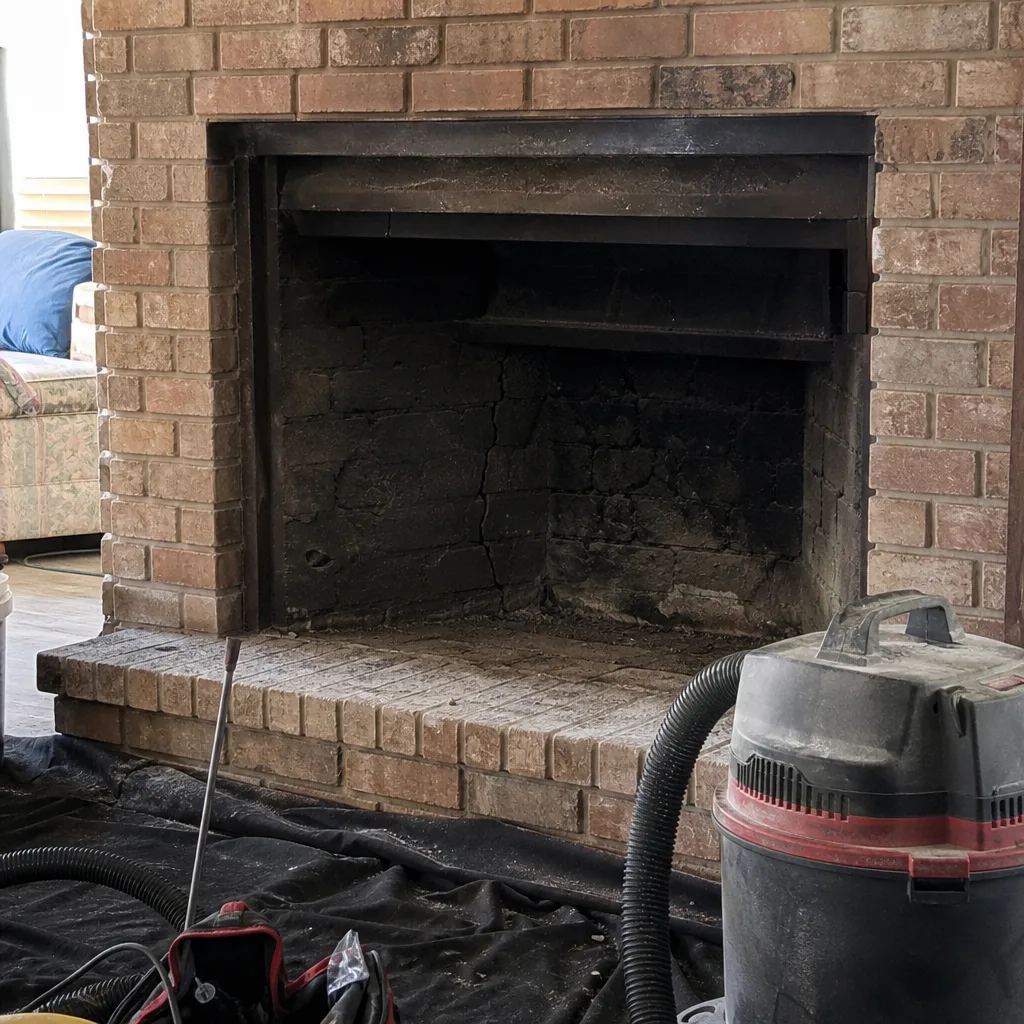 Before
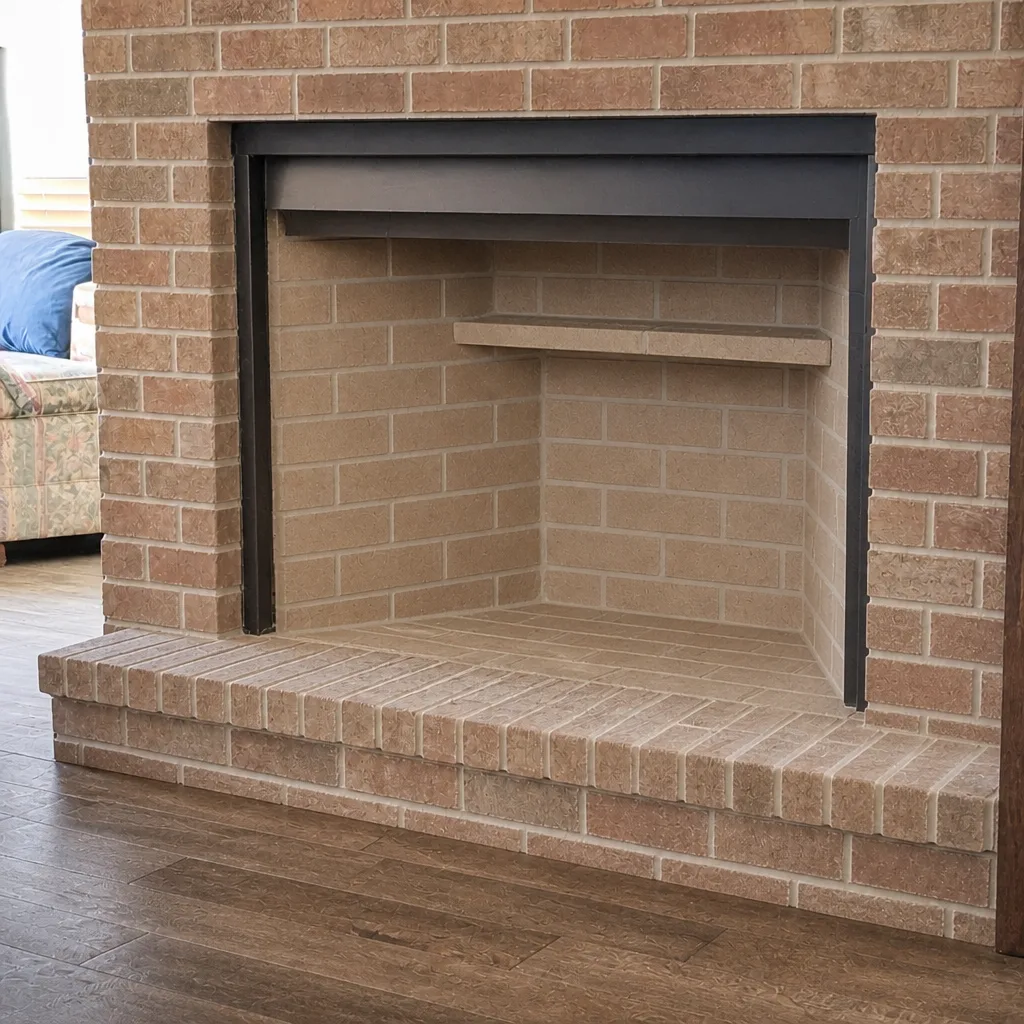 After
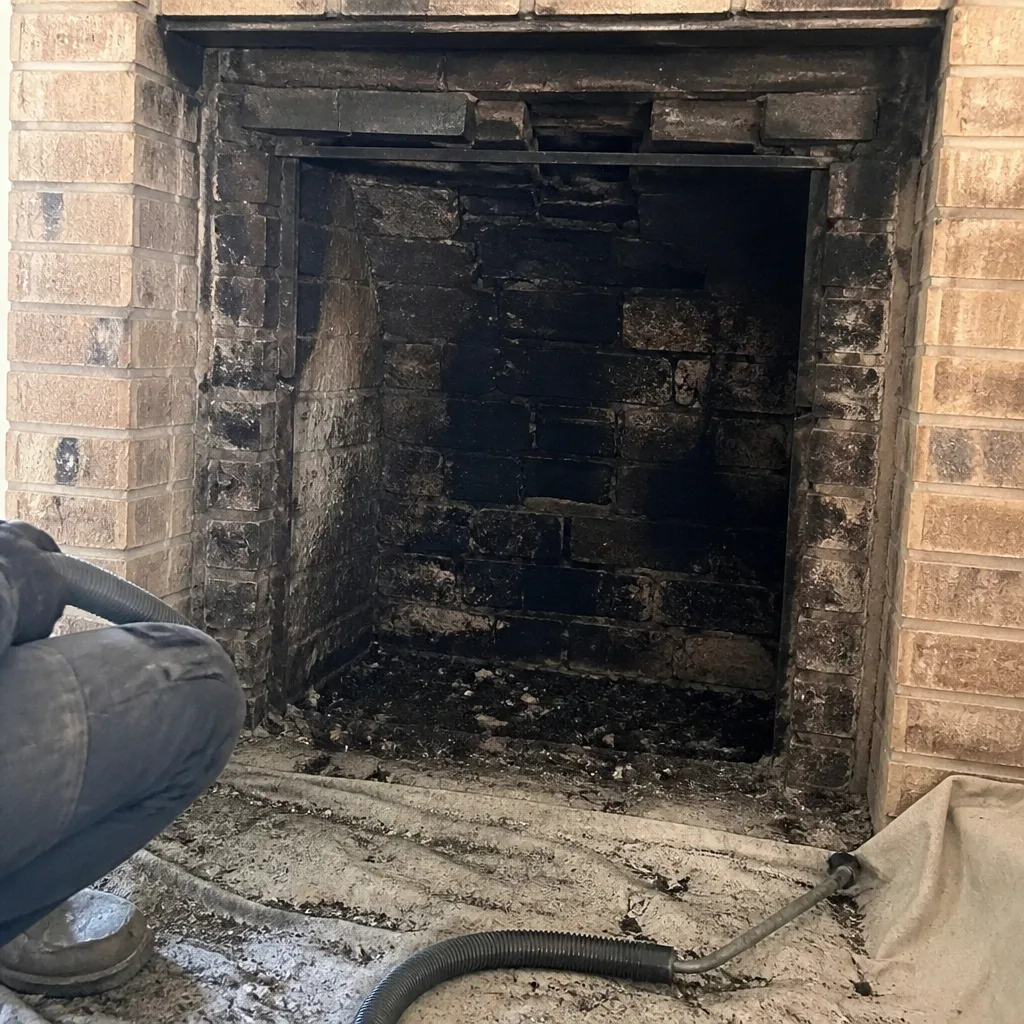 Before
 After
 Before
 After